1 hr ago
HbA1c Explained: What Your Blood Sugar Test Really Means
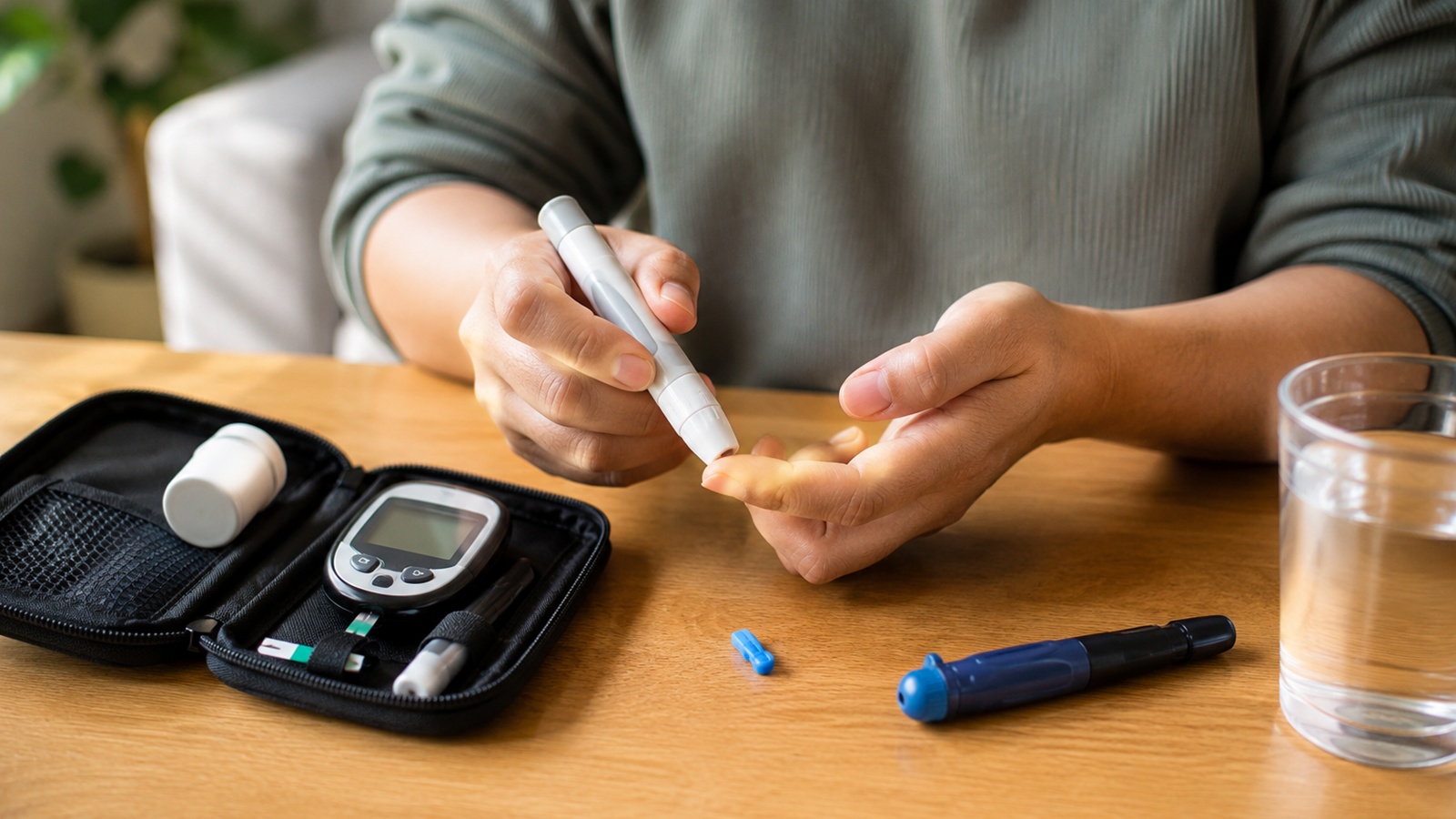
HbA1c is a blood test that shows how much sugar has stuck to your red blood cells.
Red blood cells usually live for about three months.
That is why the test gives a longer-term picture of blood sugar.
It is not calculated by simply averaging fasting and after-meal readings.
Newer blood sugar levels affect the result more than older levels.
An HbA1c of 7 percent means about 7 percent of the measured haemoglobin is glycated.
It does not mean that blood sugar stayed at 7 percent all day.
A formula can estimate the average glucose level from the HbA1c result.
Some health conditions and blood-related changes can make the result less reliable, so doctors may compare it with other tests.

HbA1c measures the percentage of haemoglobin in red blood cells that has glucose attached to it.
Because red blood cells circulate for roughly three months, HbA1c reflects glucose exposure over the preceding two to three months.
HbA1c is a weighted average, so recent blood sugar levels influence the result more than older readings.
The estimated average glucose equation is eAG (mg/dL) = 28.7 × HbA1c − 46.7.
An HbA1c result can be affected by altered red-cell lifespan, haemoglobin variants, recent blood loss or transfusion, and some medical conditions.
- Who
- People undergoing diabetes-related blood sugar assessment, with guidance from endocrinologist and diabetologist Dr Pranav Ghody.
- What
- HbA1c is a laboratory blood test measuring the proportion of haemoglobin attached to glucose and reflecting blood sugar exposure over several weeks to months.
- Where
- The explanation was provided by Dr Pranav Ghody of Wockhardt Hospitals, Mumbai Central.
- When
- It generally reflects the preceding two to three months, with recent glucose levels having greater influence.
- Why
- The test helps provide a broader picture of glucose control than a single glucometer reading.
Key facts
- What HbA1c measures
- The percentage of measured haemoglobin that is glycated, or attached to glucose.
- Typical time period
- The preceding two to three months.
- Reporting format
- Usually reported as a percentage.
- HbA1c example
- An HbA1c of 7 percent means approximately 7 percent of measured haemoglobin is glycated.
- Estimated average glucose formula
- eAG (mg/dL) = 28.7 × HbA1c − 46.7.
- Estimated glucose examples
- HbA1c of 6 percent corresponds to about 126 mg/dL; 7 percent corresponds to about 154 mg/dL.
- Possible limitations
- Red-cell lifespan changes, haemoglobin variants, recent blood loss or transfusion, and some medical conditions may affect the result.
Quotes
Dr Pranav Ghody
Consultant endocrinologist and diabetologist at Wockhardt Hospitals, Mumbai Central
“It is a laboratory measurement of how much glucose has attached to haemoglobin in your red blood cells. Since red blood cells circulate for roughly three months, the HbA1c value gives us an idea of a person’s average blood glucose over the preceding two to three months,”
 indianexpress.com
“HbA1c is extremely useful, but it should not always be interpreted in isolation. Conditions that alter the lifespan or turnover of red blood cells, certain haemoglobin variants, recent blood loss or transfusion, and some other medical conditions can affect the result.”
indianexpress.com
Sources
Related news

What HbA1c Results Mean When Blood Sugar Looks Similar

Why HbA1c Below 7% May Not Mean Diabetes Control
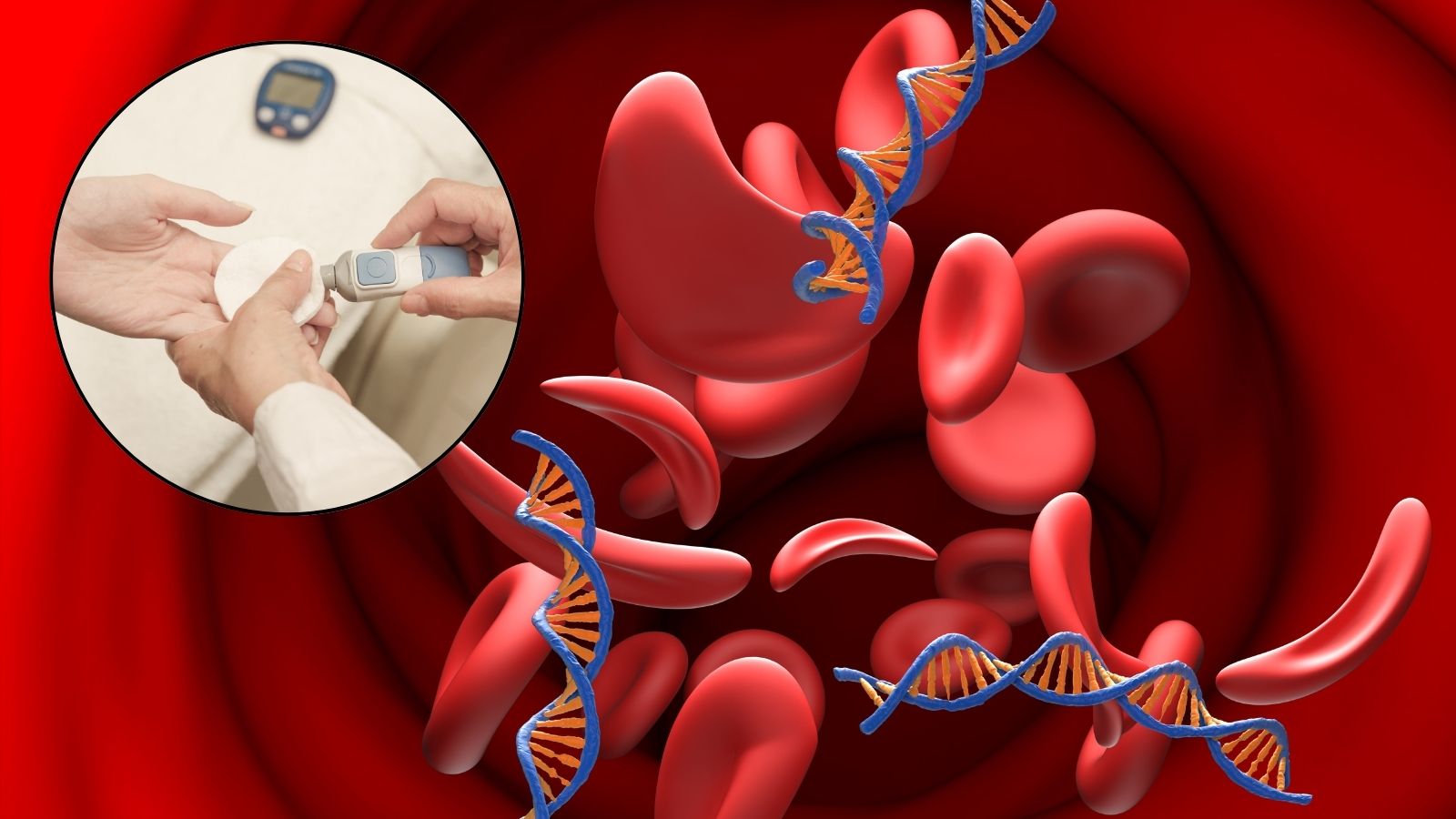
Why Anaemia May Affect What Your HbA1c Test Shows

HbA1c of 10.6% Requires Lifestyle Changes and Medical Review
Blood Sugar of 160 in Your 20s Explained
Rising HbA1c Linked to Sugar and Missed Metformin

CSMT 75-Day Block Alters Terminus For Eight Long-Distance Trains

Gold Prices Rise Across India on October 1, 2026

BMC Suspends 19,734 Mumbai Birth-Correction Entries Pending Verification

Commercial LPG Prices Rise; Domestic Cooking Gas Unchanged

How a 1890 Mill Workers’ Rally Led to Provident Funds