3 hrs ago
Why Anaemia May Affect What Your HbA1c Test Shows
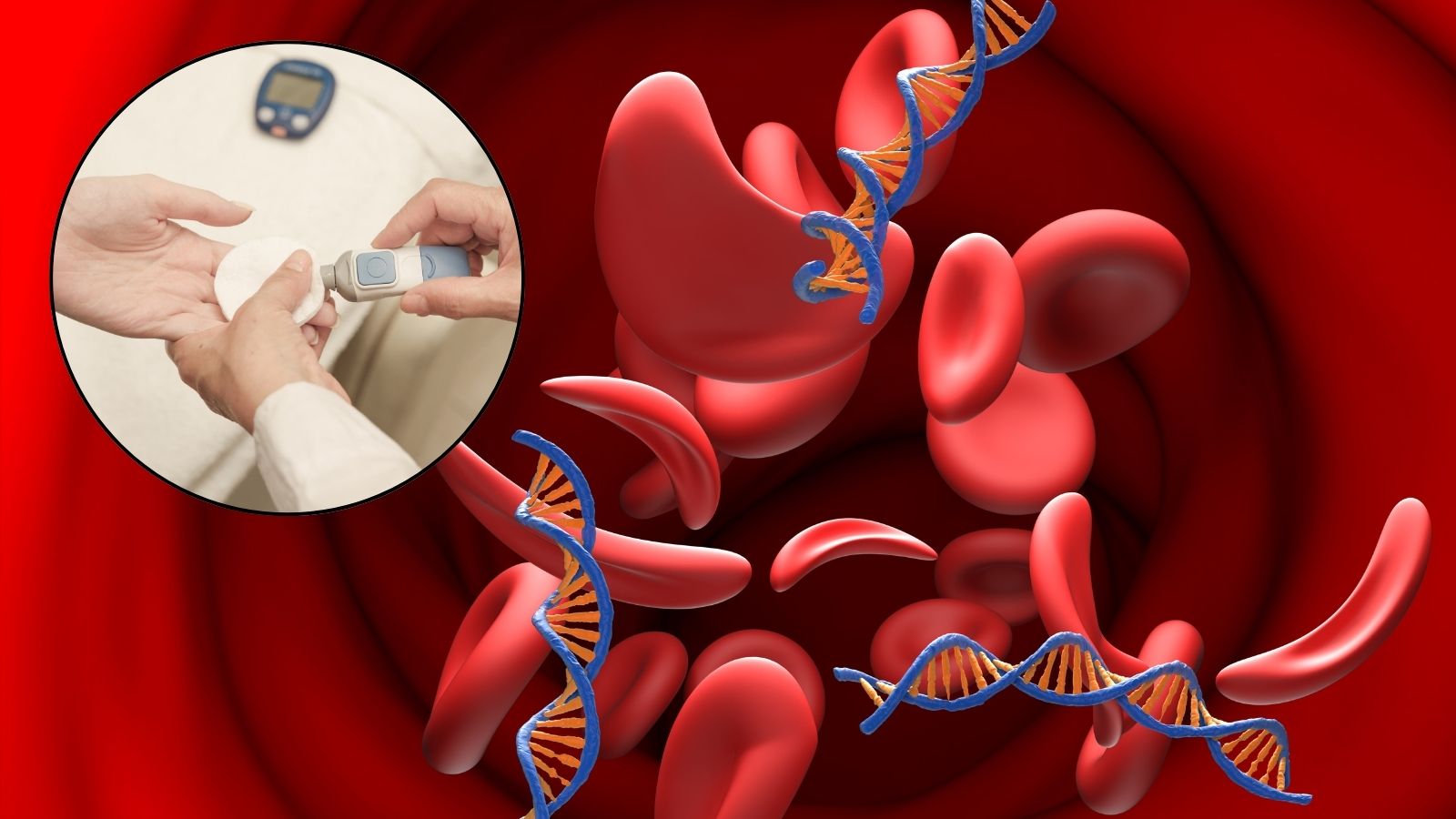
HbA1c is a blood test that gives an estimate of a person’s average blood sugar.
It usually reflects the previous two to three months.
The test relies on red blood cells.
These cells carry information that helps produce the HbA1c result.
Anaemia is a condition that affects the blood.
It may also affect red blood cells or how long they stay in the body.
Because of this, anaemia could make an HbA1c result harder to interpret.
People should ask a health practitioner how their health conditions may affect their test results.

HbA1c is commonly used to estimate average blood glucose over two to three months.
The test helps assess diabetes risk and monitor glucose control.
HbA1c depends on red blood cells and how long they remain in circulation.
Anaemia affects the blood and could influence how an HbA1c result is interpreted.
The article does not specify how anaemia changes HbA1c results or by how much.
- Who
- People being assessed for diabetes risk or monitoring glucose control, particularly those with anaemia.
- What
- The article examines whether anaemia can influence the interpretation of HbA1c blood-sugar test results.
- Where
- Not specified.
- When
- HbA1c estimates average blood glucose over the previous two to three months.
- Why
- HbA1c depends on red blood cells and how long they remain in circulation, while anaemia affects the blood.
Key facts
- Test
- HbA1c is a commonly used blood sugar test.
- Measurement period
- It estimates average blood glucose over the previous two to three months.
- Uses
- It can help assess diabetes risk and monitor glucose control.
- Relevant blood component
- The result depends on red blood cells.
- Potential concern
- Conditions affecting red blood cells may influence how HbA1c is interpreted.
- Condition discussed
- Anaemia.
- Medical advice
- The article advises consulting a health practitioner before starting any routine.
Sources
Related news
High Glucose With Low HbA1c Requires Medical Evaluation
Blood Sugar 230 mg/dL: Is It Dangerous or Controllable?

Why Blood Sugar Rises Even When You Haven’t Eaten

Diabetes Care Evolving Beyond Sugar Levels to Protect Hearts, Kidneys

Prayer Sign Test May Reveal Hidden Diabetes-Related Stiffness
Endocrinologist Explains Link Between Diabetes and High Blood Pressure