1 week ago
Lalu Yadav, Sanjay Jha Clash Over Farakka Water Treaty

Two Bihar political parties are arguing about a water agreement involving the Ganga and Bangladesh.
Lalu Prasad Yadav of the RJD says his party warned about the Farakka Barrage long ago.
He also says JD-U leaders do not understand the issue properly.
Sanjay Jha of the JD-U says Lalu was politically influential when the agreement was signed in 1996.
Jha asks why stronger objections were not raised then.
Both sides say Bihar has suffered from serious water problems.
These problems include floods, droughts and concerns about how much water is available.
The disagreement has become a new fight between the RJD and JD-U.

Lalu Prasad Yadav accused JD-U leaders of misunderstanding the historical and geographical aspects of the Farakka issue.
Yadav said the RJD had opposed the Farakka Barrage in Parliament and through public protests for decades.
Sanjay Jha argued that Yadav was influential when the 1996 water-sharing agreement with Bangladesh was signed.
Jha questioned why Bihar’s government did not offer stronger opposition during the treaty negotiations.
The dispute links the Farakka agreement to Bihar’s recurring floods, droughts and concerns over Ganga water availability.
- Who
- Rashtriya Janata Dal president Lalu Prasad Yadav and Janata Dal-United Working President and Rajya Sabha MP Sanjay Jha are the main political figures involved.
- What
- The RJD and JD-U are exchanging accusations over the Farakka Barrage and the 1996 water-sharing agreement with Bangladesh.
- Where
- The dispute is centered in Bihar and concerns the Ganga’s water management and flows to Bangladesh.
- When
- The latest exchange occurred on Saturday; the agreement was signed in 1996.
- Why
- Both sides are debating responsibility for Bihar’s long-term problems involving flooding, droughts and water availability.
RJD’s Account
JD-U’s Account
Responsibility for the Farakka agreement
RJD’s Account
Lalu Prasad Yadav says the RJD had warned about the adverse effects of the Farakka Barrage and opposed it in Parliament and through public protests.
JD-U’s Account
Sanjay Jha says Lalu Yadav was an influential political leader at the Centre when the 1996 agreement was signed and questions why stronger opposition was not raised then.
Understanding the issue
RJD’s Account
Yadav says JD-U leaders lack a proper understanding of the historical and geographical aspects of the Farakka issue and should examine official data and documents.
JD-U’s Account
Jha maintains that the agreement and earlier political decisions contributed to Bihar facing combined flood and drought problems over the past three decades.
Impact on Bihar
RJD’s Account
The RJD says the agreement allowed a substantial share of Ganga water to flow to Bangladesh without adequately considering Bihar’s long-term interests.
JD-U’s Account
The JD-U highlights the continuing effects it attributes to the agreement, including recurring floods, droughts and water-management difficulties.
Key facts
- Main dispute
- The political argument concerns the Farakka Barrage and the water-sharing agreement with Bangladesh.
- RJD position
- Lalu Prasad Yadav said the RJD had opposed the barrage and treaty because of their alleged long-term consequences for Bihar.
- JD-U position
- Sanjay Jha said stronger opposition should have been raised when the agreement was negotiated and signed.
- Agreement year
- The water-sharing agreement with Bangladesh was signed in 1996.
- Problems cited
- The dispute includes claims about recurring floods, droughts and reduced water availability in Bihar.
- Earlier opposition
- Yadav referred to his parliamentary speeches and letters sent to the Central government by Jagdanand Singh, then Bihar’s Irrigation Minister.
Sources
Related news
JD(U) MP Urges India to Let Ganga Treaty Lapse
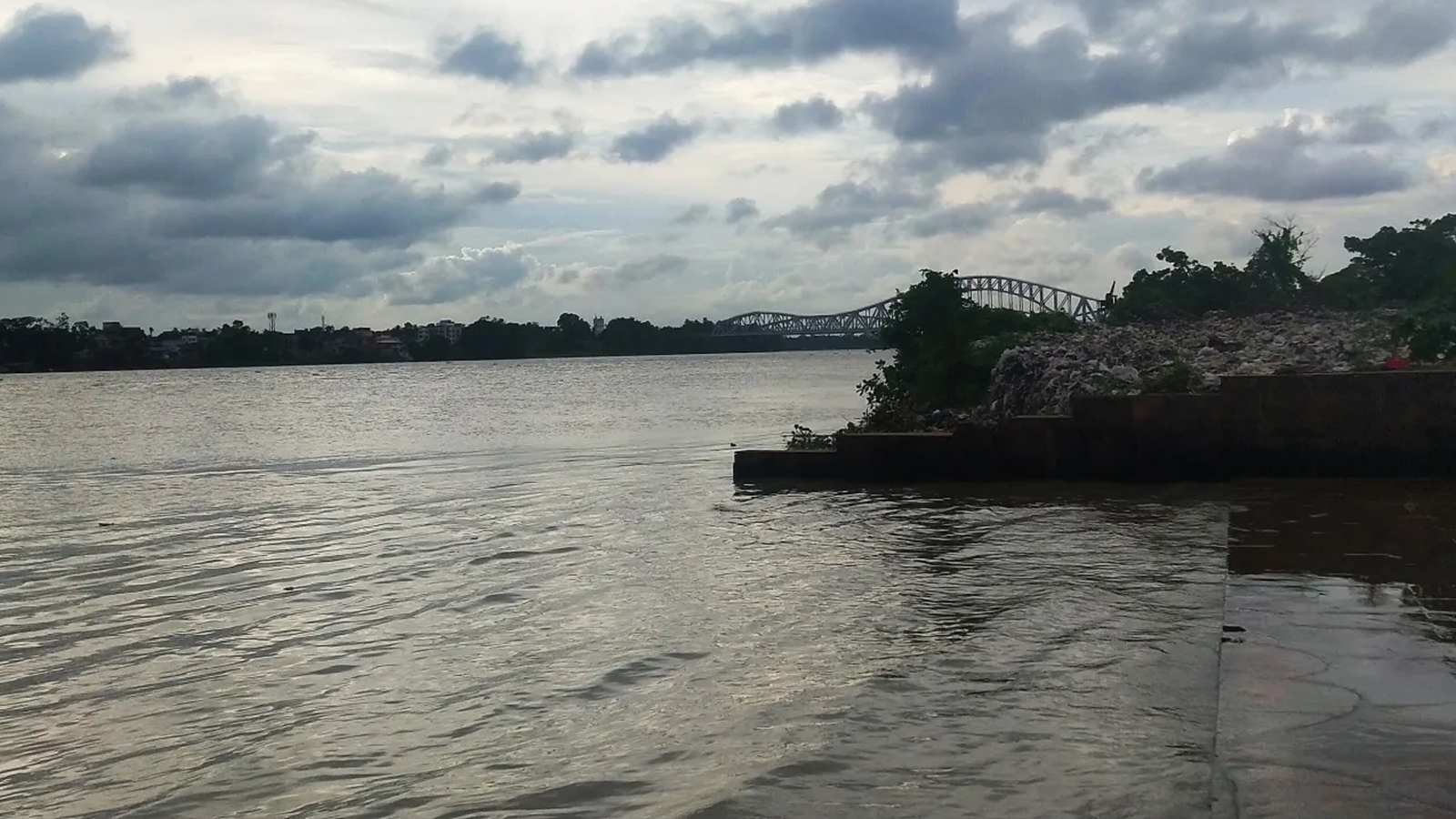
Bihar Challenges Farakka Treaty Renewal, Pressuring India’s Central Government

BJP Ally JDU Red Flags Farakka Water Treaty with Bangladesh
Centre Assures JDU Bihar’s Interests In Farakka Treaty Decision
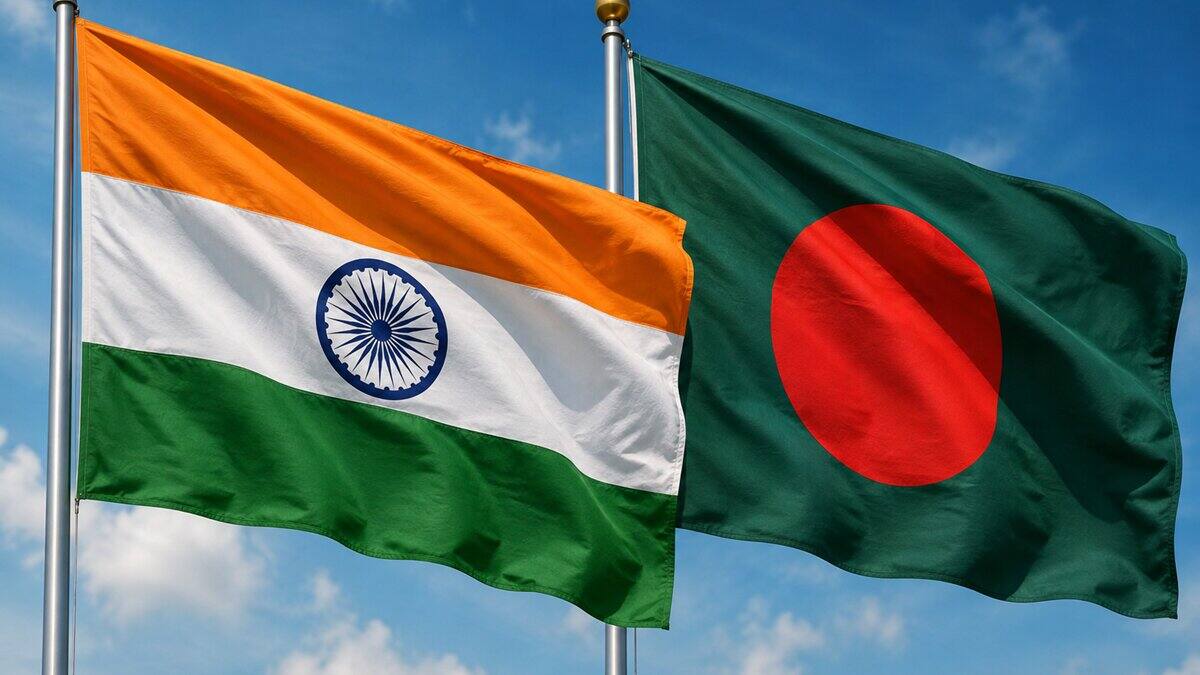
Bangladesh Seeks Guarantee Clause as Ganges Treaty Nears Expiry
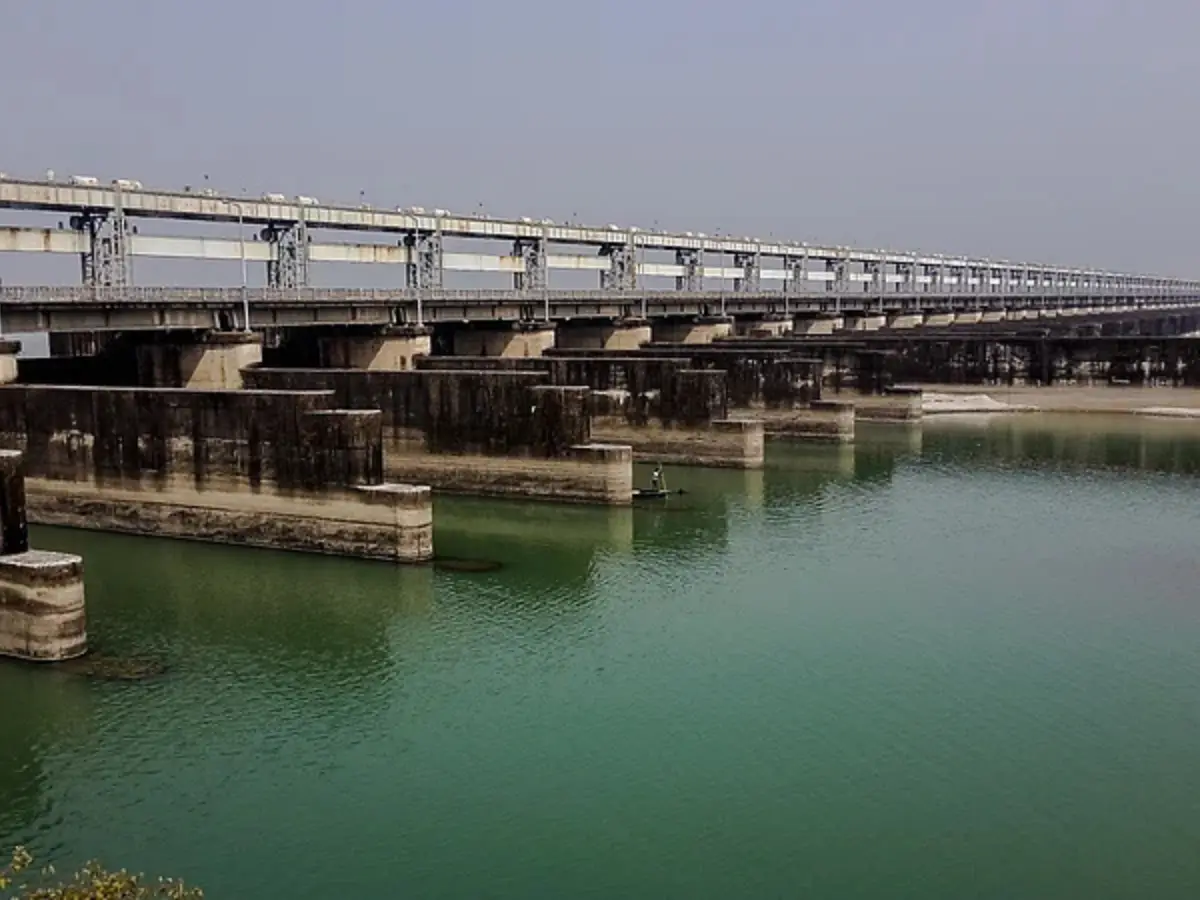
West Bengal Seeks Safeguards Before Ganga-Padma Pact Renewal
Bangladesh Recall Shanto, Mahmud for Asian Games T20 Squad

Sharma and Malik share halfway lead at Telangana Golconda Masters
India Replaces Sri Lanka as 2027 Women’s Champions Trophy Host
India’s Record Wheat Harvest Opens $1.5 Billion Export Window