1 hr ago
NCERT Class 9 Textbook Adds Chapter on Startups
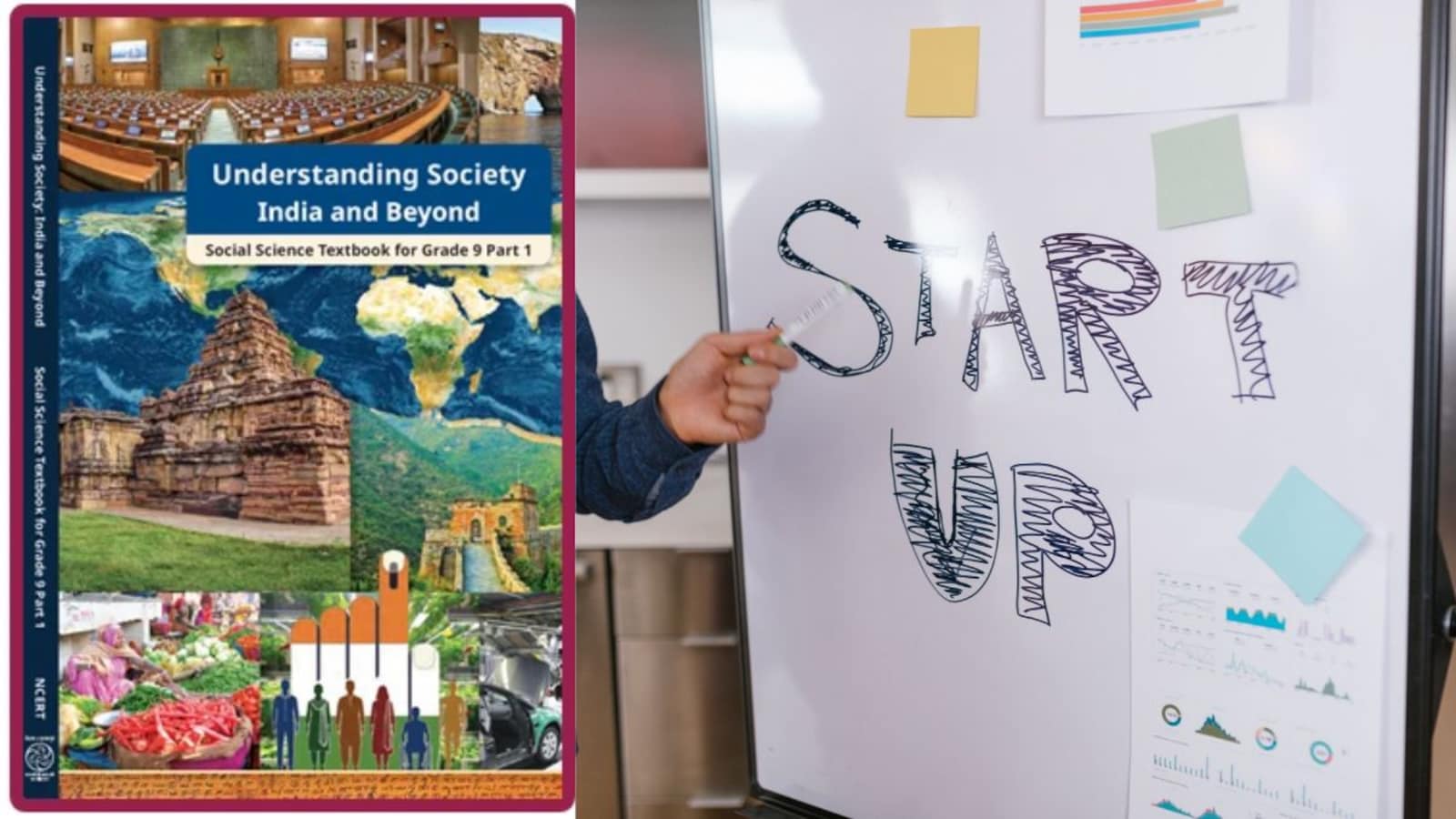
NCERT has added a chapter about starting businesses to a new Class 9 Social Science textbook.
The chapter explains how people find business ideas and learn what customers may want.
It also describes how to plan a business and understand its different parts.
Students learn that artificial intelligence can help people study markets and make business decisions.
The book says India now has nearly 2.3 lakh startups and other startup enterprises, compared with about 350–400 a decade ago.
It shares the story of seven women who began making papads in Mumbai in 1959 with borrowed supplies.
It also tells how Mohan Singh Oberoi started with a salary of Rs 50 and later built a hotel business.
These stories show students examples of how businesses can begin and grow.

NCERT's new Class 9 Social Science textbook includes a chapter called “From Ideas to Startups.”
The chapter covers business opportunities, market understanding, business planning and India's startup ecosystem.
It also discusses how artificial intelligence can help with market analysis and business decisions.
The textbook says India’s startup ecosystem grew from around 350–400 startups a decade ago to nearly 2.3 lakh enterprises.
Entrepreneur stories include the seven women who started Lijjat Papad in 1959 and hotelier Mohan Singh Oberoi.
- Who
- The National Council of Educational Research and Training (NCERT) introduced the chapter for Class 9 students.
- What
- A new chapter, “From Ideas to Startups,” teaches entrepreneurship and business planning.
- Where
- In NCERT's Social Science textbook, “Understanding Society: India and Beyond - Part 2,” in India.
- When
- The chapter is in the new textbook; no publication date is specified in the articles.
- Why
- To introduce students to entrepreneurship, business opportunities, planning, India's startup ecosystem and AI's role in business decisions.
Reported textbook content
Limits of available detail
Startup ecosystem figures
Reported textbook content
The textbook is reported to say that India has nearly 2.3 lakh enterprises, up from around 350–400 startups about a decade ago.
Limits of available detail
The articles provide no independent verification or further explanation of how the figures are counted.
Chapter coverage
Reported textbook content
NCERT's post says the chapter covers opportunities, markets, planning, India's startup ecosystem, AI and entrepreneur stories.
Limits of available detail
Some additional chapter details are attributed to reports, and the articles do not reproduce the full chapter.
Key facts
- Textbook
- Understanding Society: India and Beyond - Part 2
- Chapter
- From Ideas to Startups
- Intended students
- Class 9
- Startup ecosystem figures cited
- Around 350–400 startups about a decade ago; nearly 2.3 lakh enterprises now
- Lijjat Papad origin story
- Seven women began making papads in Mumbai in 1959, using Rs 80 in borrowed capital, according to the article.
- Mohan Singh Oberoi
- The textbook says he began his working life on a salary of Rs 50 and later built an extensive hotel business.
Quotes
NCERT
The National Council of Educational Research and Training, which developed the textbook chapter.
“The chapter explores business opportunities, market understanding, business planning, India's startup ecosystem and the role of AI in business decision-making, with real-life stories of Indian entrepreneurs.”
 NDTV
NDTV
Sources
Related news
NCERT Releases New Grade 9 Social Science Textbook Part 2

NCERT Announces New Class 9 Social Science Textbook
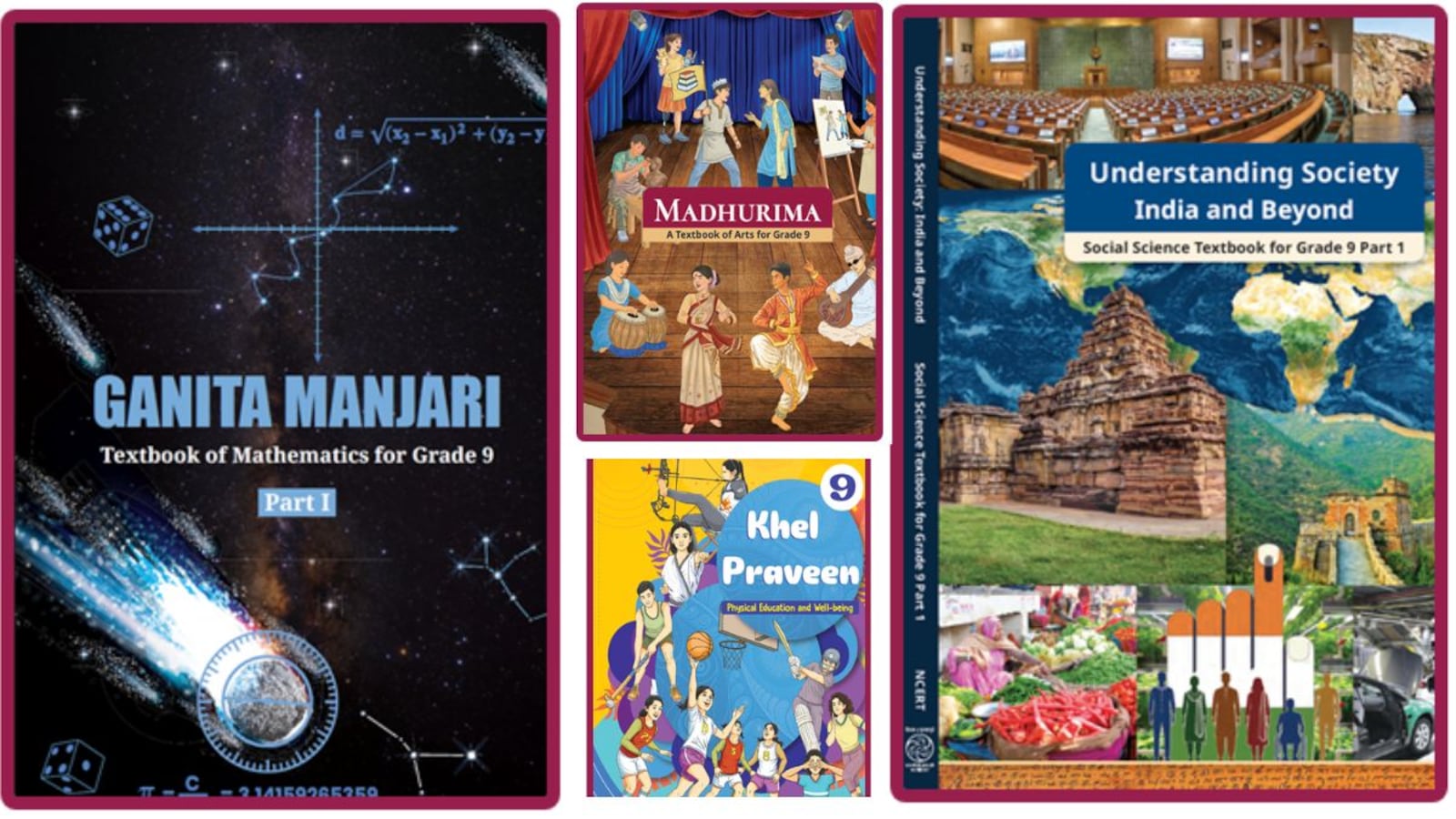
NCERT Announces Two New Class 9 Textbooks for 2026-27
NCERT Adds Personal Income Tax Lessons to Class 9 Textbook

NCERT Clarifies Grade 9 Maths Syllabus, Adds Algorithms Chapter
India’s Startup Boom Faces a Test of Deep Innovation

Thackeray Brothers Lead 'Gyanesh Kumar Hatao' March in Mumbai

Fadnavis Opens Dharavi Redevelopment Centre and Launches Anthem
Thackeray Brothers Lead Mumbai Protest Over Voter Roll Process

Indian Man’s Europe and India Comparison Sparks Online Debate

Rakhi Sawant Backs Gen Z Amid SIR Voter List Row