0 months ago
ITR 2026: Who Needs a Tax Audit This Season?

In India, people who earn money have to pay taxes to the government.
Normally, they must keep very detailed records of all their earnings and expenses.
To make this easier, the government has simpler rules called presumptive taxation.
Under these rules, you can just say your profit is a fixed percentage of the money you earned.
Small businesses can use this easy method if their yearly earnings are up to ₹2 crore.
Professionals like doctors and lawyers can also use it, declaring only half of what they earn as income.
Transporters who own up to 10 vehicles have their own special rule.
Usually, when people use these easy methods, they don't need a tax audit, which is a detailed check of their records.
But if they declare less money than the fixed percentage, they may need an audit.
If someone leaves the small-business scheme within five years, they can't use it again for the next five years.
That is why experts say to think carefully before choosing.

Tax Audit Season for assessment year 2026-27 is underway, with guidance on audit applicability under Section 44AB and presumptive schemes under Sections 44AD, 44ADA and 44AE.
Section 44AD lets eligible small businesses - resident individuals, HUFs and partnership firms (excluding LLPs) - with turnover up to ₹2 crore (or ₹3 crore if cash receipts are 5% or less) declare 8% of cash receipts and 6% of digital receipts as profit.
Section 44ADA allows specified professionals such as doctors, lawyers, architects, engineers, accountants and IT professionals with gross receipts up to ₹50 lakh (or ₹75 lakh if cash receipts don't exceed 5%) to declare 50% of gross receipts as taxable income.
Section 44AE covers taxpayers engaged in goods carriage business owning not more than 10 vehicles, with income computed at prescribed rates based on vehicle type and weight.
A tax audit under Section 44AB becomes mandatory when a taxpayer declares income below the presumptive rate and total income exceeds the basic exemption limit; opting out of Section 44AD within five years bars its benefits for the next five years.
- Who
- Small businesses, specified professionals (doctors, lawyers, architects, engineers, accountants and IT professionals) and goods carriage transporters in India, with guidance from tax experts such as CA Harshil Sheth.
- What
- Guidance on the presumptive taxation schemes (Sections 44AD, 44ADA and 44AE) and when a tax audit under Section 44AB is required for assessment year 2026-27.
- Where
- India.
- When
- Assessment year 2026-27; guidance published on August 5, 2026.
- Why
- To help eligible taxpayers simplify compliance by declaring presumptive income instead of maintaining detailed books of account, and to clarify when tax audits become mandatory.
Key facts
- Assessment Year
- 2026-27
- Section 44AD turnover limit
- ₹2 crore (or ₹3 crore if cash receipts are 5% or less)
- 44AD presumptive profit rate
- 8% of cash receipts; 6% of digital receipts
- Section 44ADA gross receipts limit
- ₹50 lakh (or ₹75 lakh if cash receipts are 5% or less)
- 44ADA presumptive income
- 50% of gross receipts
- Section 44AE vehicle limit
- Not more than 10 goods vehicles
- Tax audit (Section 44AB)
- Mandatory if income is declared below presumptive rates and total income exceeds the basic exemption limit
- 44AD opt-out rule
- Opting out within five assessment years forfeits benefits for the following five years
Sources
Related news

Presumptive Taxation Rules: Three Sections Simplify Small Taxpayer Compliance

Why Previous ITR-4 Filers May Need ITR-3 in AY 2026-27

Audit and Non-Audit Taxpayers Face Different ITR Deadlines

Income Tax Department Clarifies ITR-3 And ITR-4 Selection

Seven Freelancer Tax Filing Mistakes Before August 31 Deadline
ITR-3 or ITR-4: Which Tax Form Should You File?

Swara Bhasker’s Jauhar Remarks Revive Padmaavat’s Historical Debate
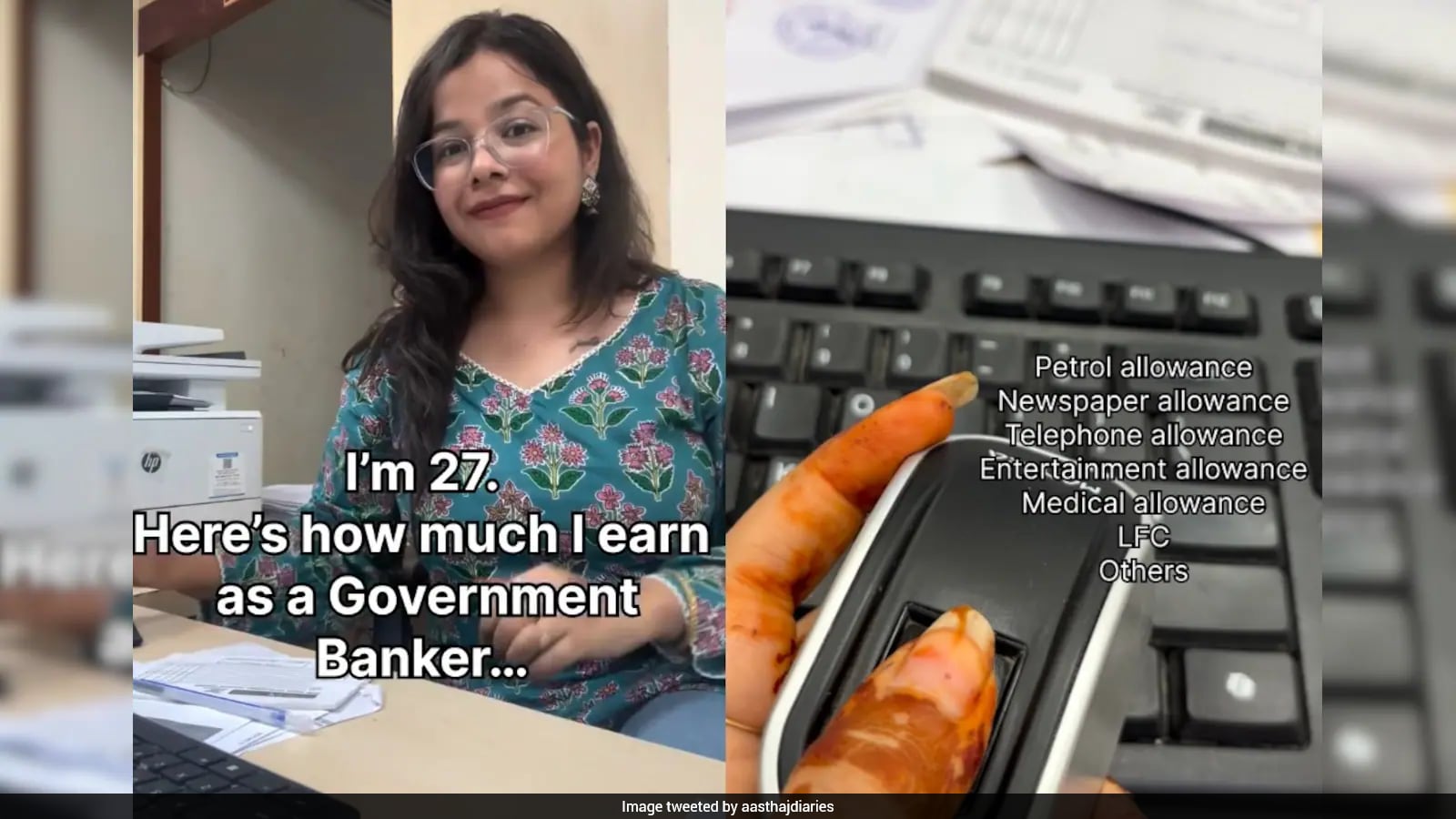
Young Government Bank Officer Reveals Salary, Benefits After 2.5 Years

India’s Dementia Crisis May Affect 16.9 Million Seniors by 2036

Five Student-Friendly Laptops Covering Every College Budget and Workload

Putin Faces Western Isolation While Russia Builds Non-Western Ties