4 days ago
ITR-3 or ITR-4: Which Tax Form Should You File?
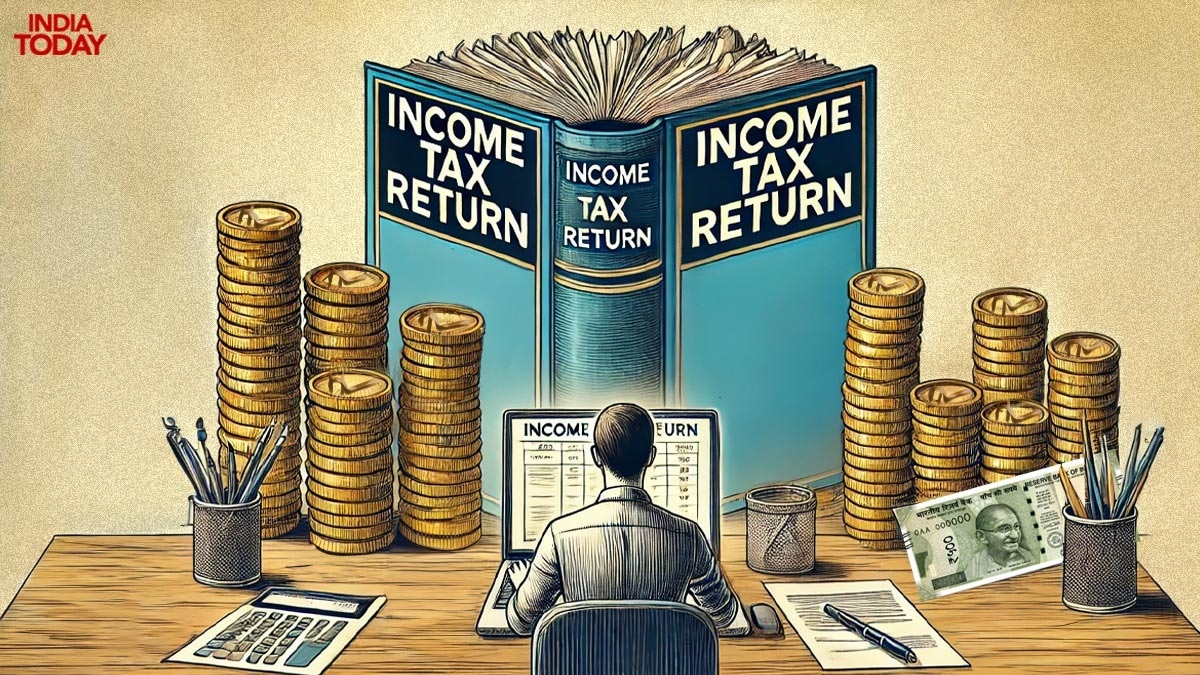
ITR-3 and ITR-4 are different tax-return forms in India.
ITR-3 is usually for people or HUFs earning money from a business or profession without using presumptive taxation.
It can also be needed by some futures and options traders and people with income above ₹50 lakh.
ITR-4 is called Sugam and is for eligible taxpayers using presumptive taxation.
Under this system, income is estimated using set rules instead of detailed expense accounting.
ITR-4 generally requires total income of no more than ₹50 lakh.
It cannot be used by people with certain capital gains, foreign assets or income, unlisted shares, or company-director status.
Non-audit returns covered by the stated deadline are generally due by August 31, 2026.
Taxpayers should verify their returns after filing them online.

ITR-3 generally applies to individuals and HUFs with business or professional income who do not use presumptive taxation.
ITR-3 can cover salary or pension, house property, business or profession, capital gains and other sources.
ITR-4, or Sugam, is for eligible individuals, HUFs and firms choosing presumptive taxation with total income generally up to ₹50 lakh.
ITR-4 permits limited reporting of house-property, capital-gains, agricultural and other-source income under prescribed conditions.
Eligible non-audit taxpayers generally face an August 31, 2026 deadline, while audit cases generally have an October 31, 2026 deadline.
- Who
- Individuals, Hindu Undivided Families, eligible firms, freelancers, traders and business or professional taxpayers.
- What
- The guidance compares ITR-3 and ITR-4 and explains which taxpayers generally qualify for each form.
- Where
- Returns can be filed through the Income Tax Department’s e-filing portal.
- When
- Eligible non-audit returns generally have an August 31, 2026 deadline; audit cases generally have an October 31, 2026 deadline.
- Why
- Taxpayers must choose the form that matches their income sources, taxation method and eligibility conditions.
Key facts
- ITR-3 users
- Individuals and HUFs with business or professional income who do not opt for presumptive taxation.
- ITR-4 users
- Eligible individuals, HUFs and firms opting for presumptive taxation.
- ITR-4 income limit
- Total income generally must be up to ₹50 lakh.
- F&O trading
- Eligible taxpayers with futures and options income may need ITR-3; F&O trading is not applicable to ITR-4.
- August 31 deadline
- Generally applies to eligible non-audit taxpayers for 2026.
- October 31 deadline
- Generally applies to audit cases for 2026.
- Suggested documents
- Form 26AS, AIS, TIS, Forms 16 and 16A, bank statements and tax-payment challans; business owners may also need financial statements, invoices, GST returns and payment-gateway statements.
Sources
Related news

Income Tax Department Clarifies ITR-3 And ITR-4 Selection

ITR Deadline Nears: Who Must File By 31 August

ITR guide for freelancers: correct form before August 31 deadline

Taxpayers With Business Income Must Choose Correct ITR Forms

Why Previous ITR-4 Filers May Need ITR-3 in AY 2026-27

EPFO Identifies PF Trusts Eligible for Amnesty Scheme 2026

EPFO Opens One-Time Amnesty for PF Trust Exemption Irregularities

Filing ITR: A Responsibility and Pride

Audit and Non-Audit Taxpayers Face Different ITR Deadlines

Who Must File Income-Tax Returns by 31 October?