2 hrs ago
Survivors Recount Nepal’s Deadly Flash Floods and Miraculous Escapes
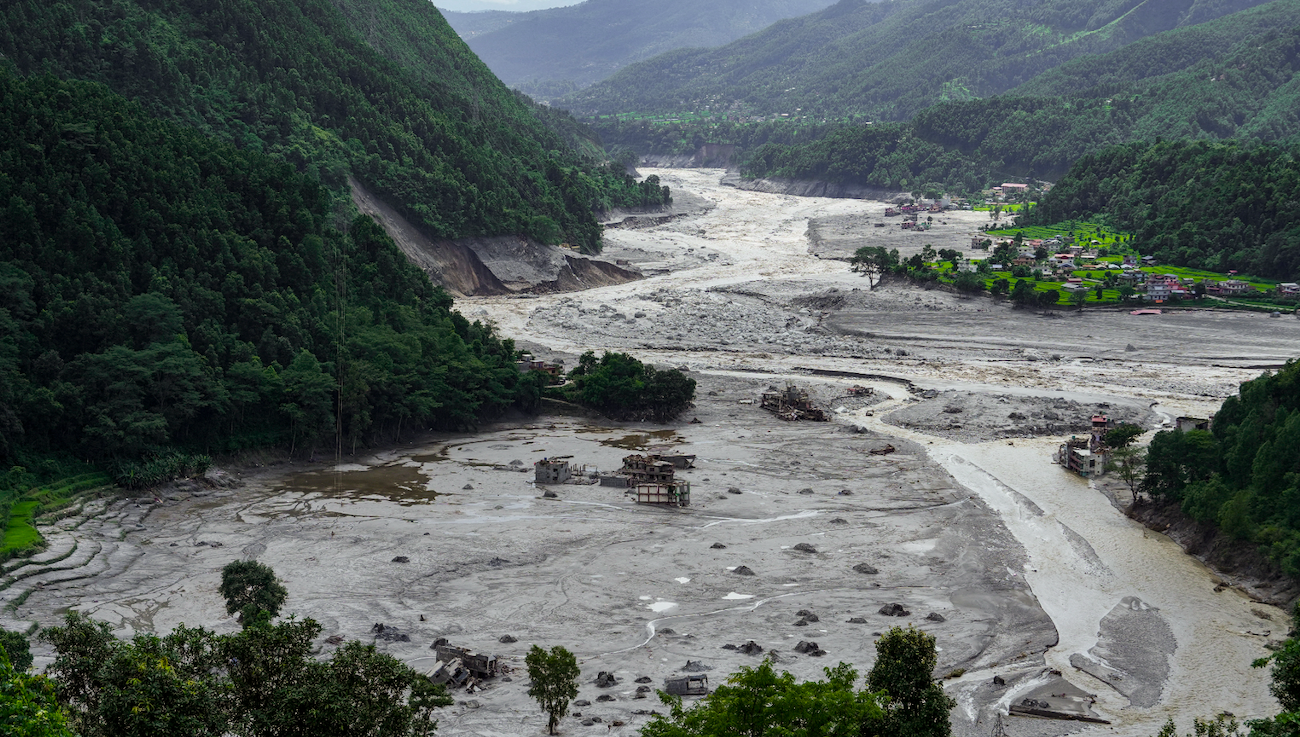
A huge flood swept through parts of Nepal after ice and rocks fell near the Nepal-Tibet border.
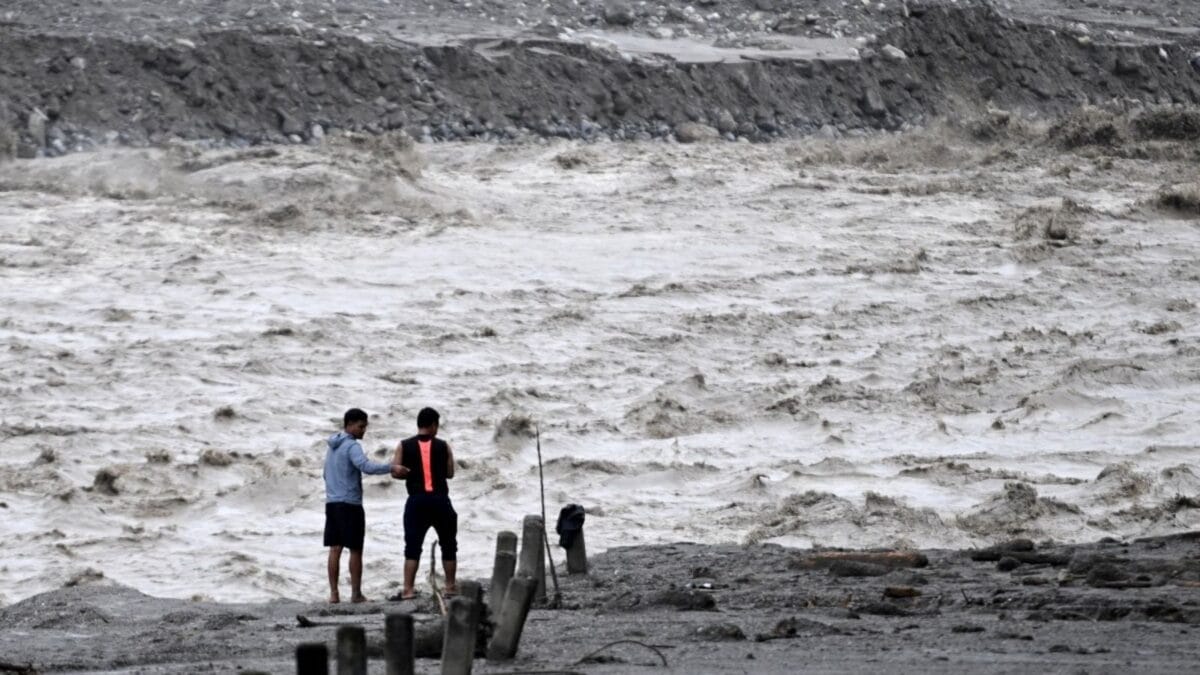
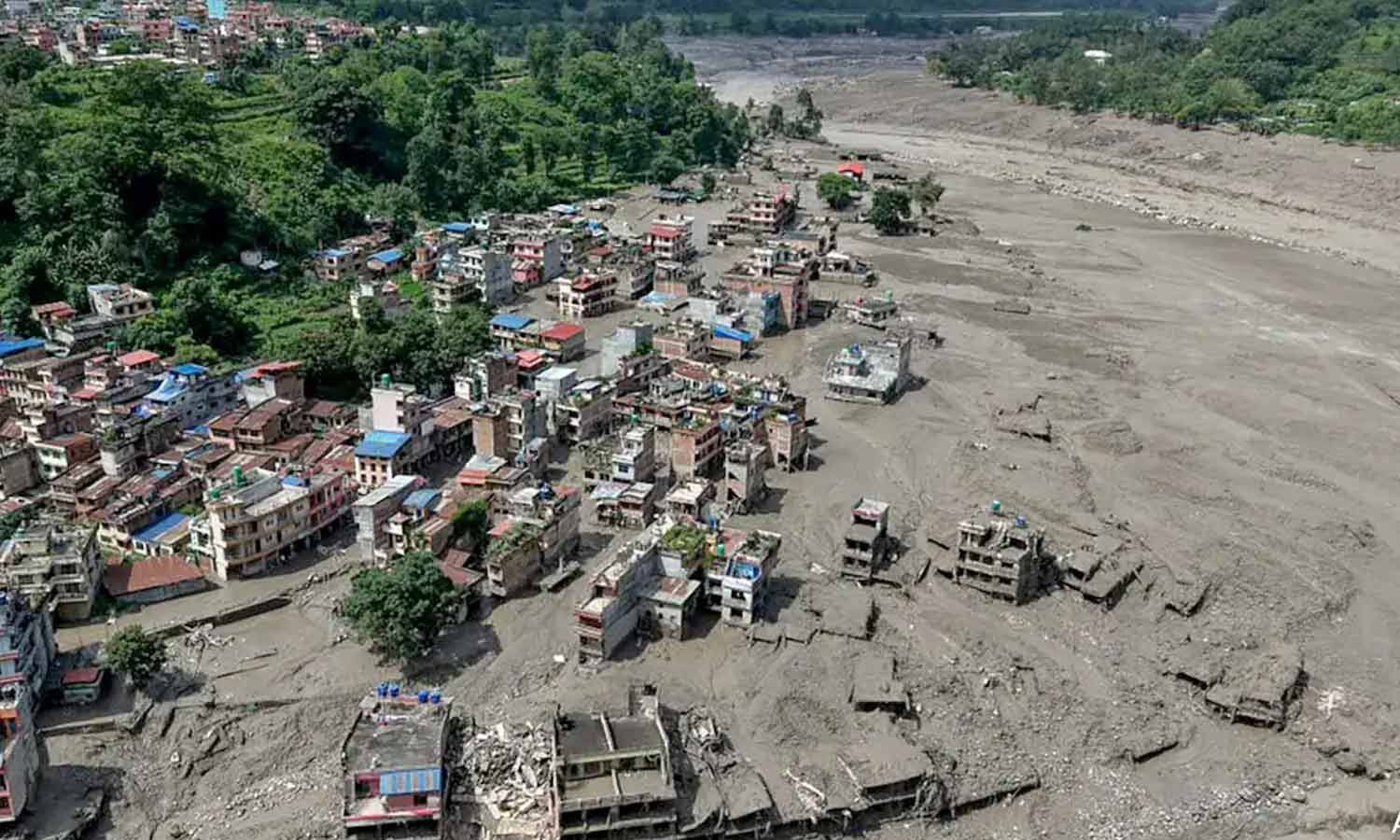
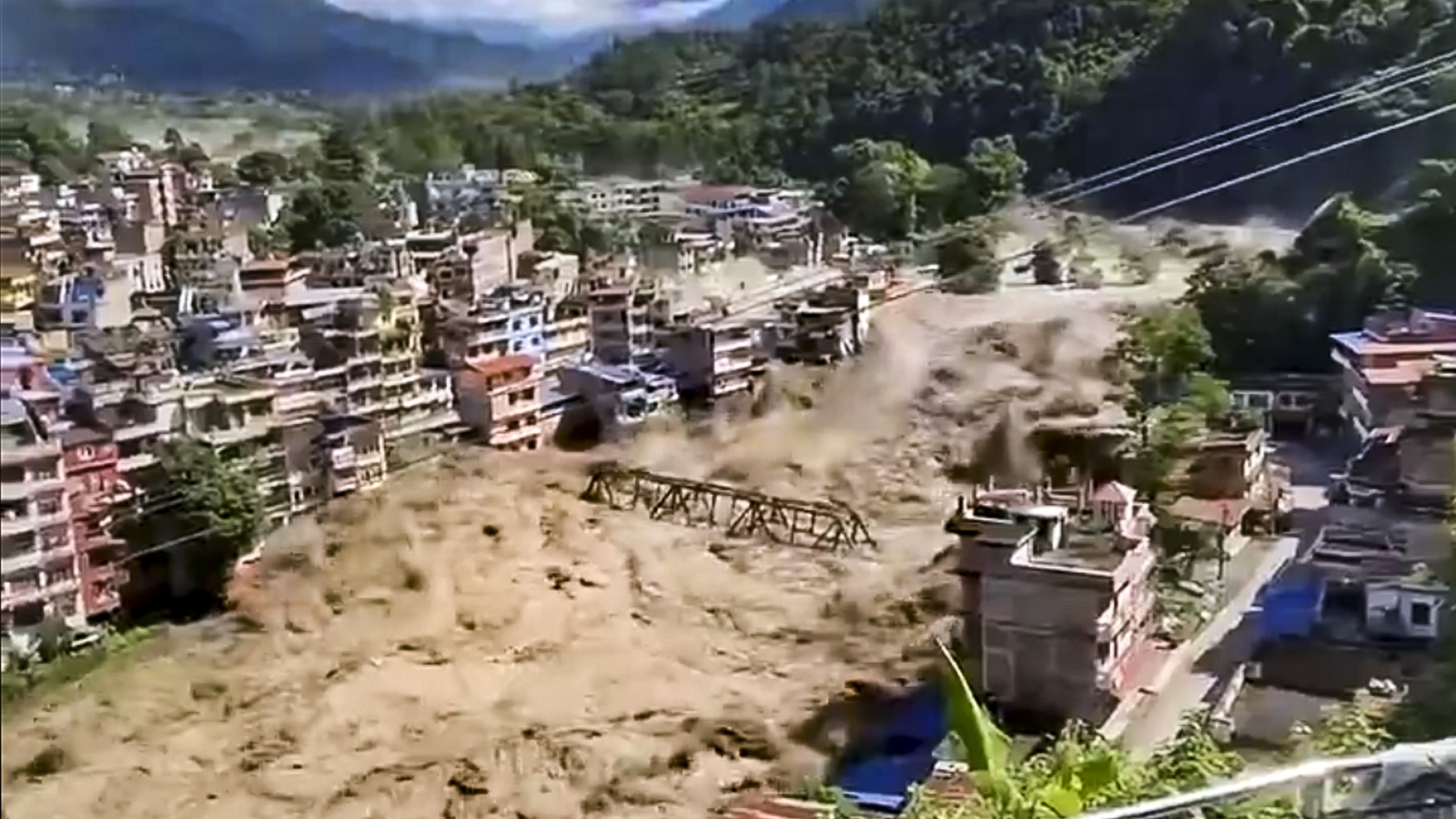
The rushing water carried mud, boulders and debris into towns and valleys.
It destroyed houses, roads, bridges and power facilities.
More than 1,000 people had died, and about 4,000 were still missing according to authorities.
Rescue teams had saved more than 11,000 people by September 1.
Some survivors spent four days on a mountain with only water and biscuits.
A 13-year-old girl carried her little brother to safety after their home was swallowed by water.
A five-year-old girl was found trapped in a net, and a 97-year-old woman was pulled alive from rubble.
Their stories show both how dangerous the floods were and how many people survived against difficult odds.

Flash floods began on August 26 after an ice-and-rock avalanche or collapse near the Nepal-Tibet border.
The Bhotekoshi River surged through northern and central Nepal, destroying homes, roads, bridges and hydropower facilities.
Authorities said more than 1,000 people had died and about 4,000 remained missing, including 583 foreigners.
More than 11,000 people had been rescued by September 1, while searches continued in remote areas.
Survivors included a stranded power-station worker, a teenager who carried her brother uphill, and people rescued from debris and floodwaters.
- Who
- Residents, travelers, workers and children in Nepal were affected, while Nepali rescuers and authorities led evacuations and searches.
- What
- Catastrophic flash floods and debris flows killed more than 1,000 people, left about 4,000 missing and caused widespread destruction.
- Where
- The floods struck northern and central Nepal, including areas near the Nepal-Tibet and Nepal-China borders, Rasuwa District and the Bhotekoshi River.
- When
- The disaster began on August 26; authorities provided the reported figures by September 1 and September 3.
- Why
- The initial trigger appeared to be an ice-and-rock avalanche or collapse near the Nepal-Tibet border, followed by torrents of water and debris.
Key facts
- Reported deaths
- More than 1,000 people
- People missing
- Around 4,000, including 583 foreigners and several security personnel
- People rescued
- More than 11,000 by September 1
- Disaster date
- August 26, 2026
- Initial trigger
- An apparent ice-and-rock avalanche or collapse followed by debris flow
- Major damage
- Homes, vehicles, roads, bridges and hydropower projects were damaged or destroyed
- Notable rescue
- 97-year-old Guna Maya Bohara was pulled alive from rubble after a four-hour operation
Quotes
Sonika Nagarkoti
A 13-year-old survivor who carried her younger brother uphill during the flood
“We decided to go up the mountain to save ourselves. We were stuck on the mountain for four days, surviving only on water and biscuits.”
 news18.com
“I didn’t know where I was, where my parents were.”
news18.com
Sources
Related news
Nepal Flood Toll Reaches 903 as Thousands Remain Missing
Himalayan Flood Leaves Hundreds Dead, Thousands Missing Across Nepal, China
Nepal Flash Flood Death Toll Rises as Hundreds Remain Missing

Nepal Flash Flood Death Toll Reaches 903, Thousands Remain Missing

Nepal Flash Flood Kills 162 as Missing Counts Diverge
Nepal Flash Flood Death Toll Conflicts as Hundreds Remain Missing
Australian Partner Urges Tech Firms to Share Nepal Data
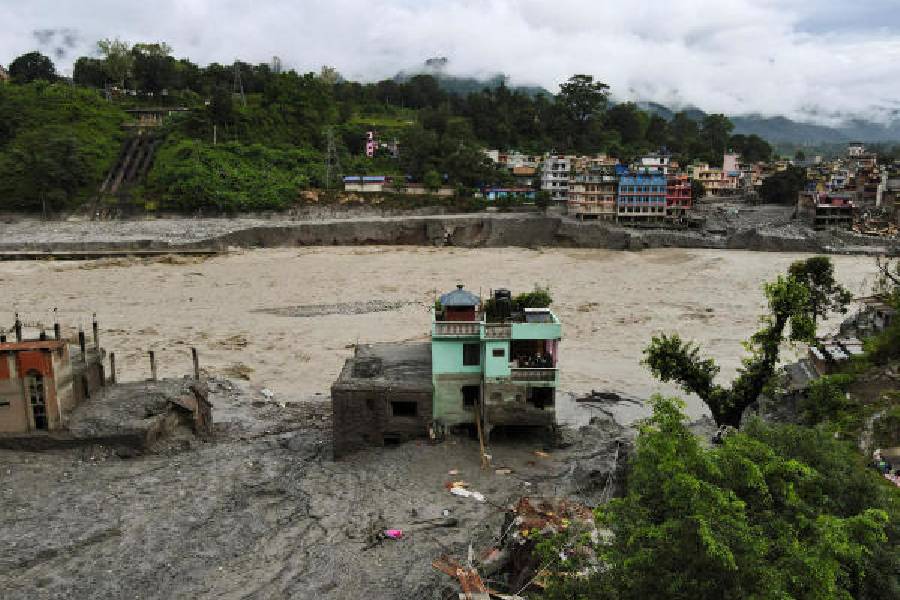
Nepal’s ‘Miracle’ Green House Survives Devastating Himalayan Floods

Brother Search Intensifies After Nepal-Tibet Flash Floods Leave Hundreds Missing
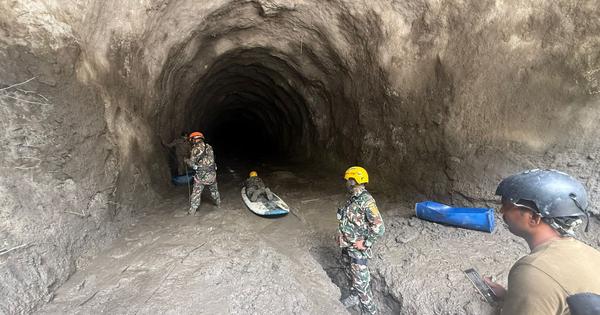
Nepal Flood Exposes Hydropower Project Climate Risk Failures