1 hr ago
Nepal Flood Exposes Hydropower Project Climate Risk Failures
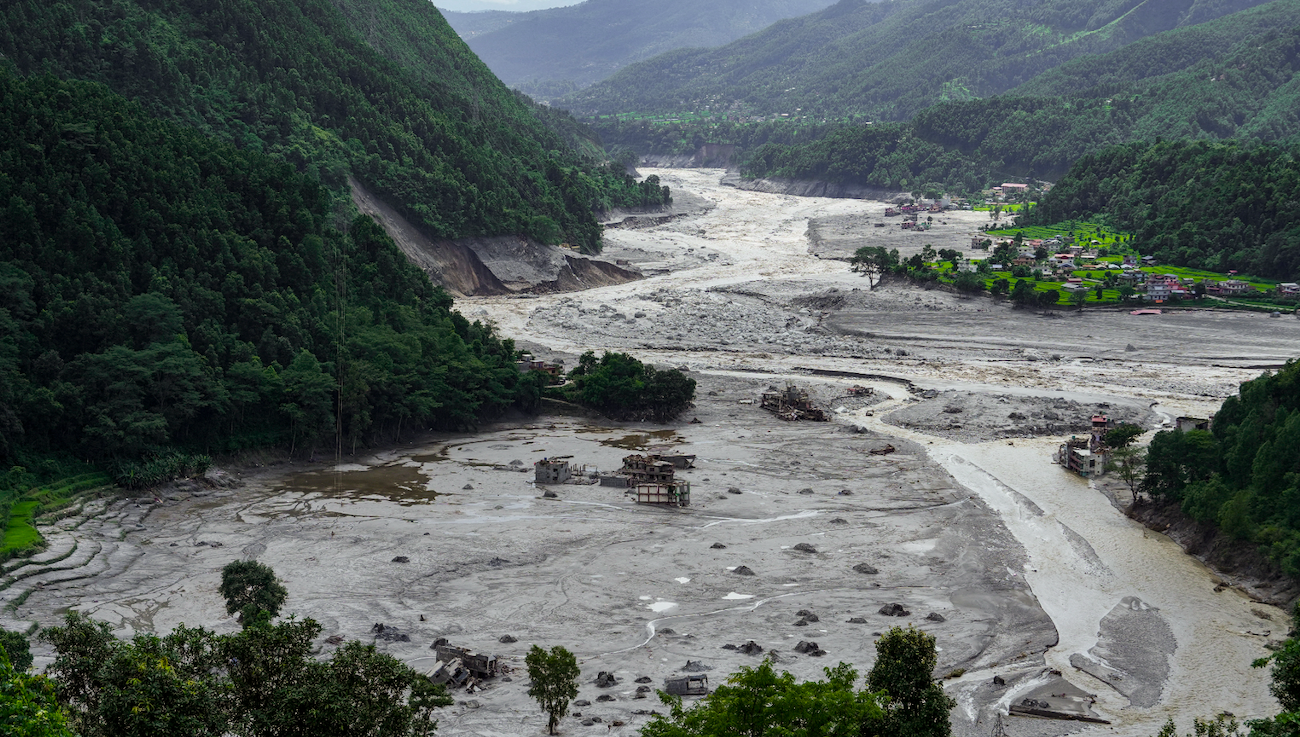
A very large flood hit several hydropower projects in Nepal.
Hydropower plants use moving water to make electricity.
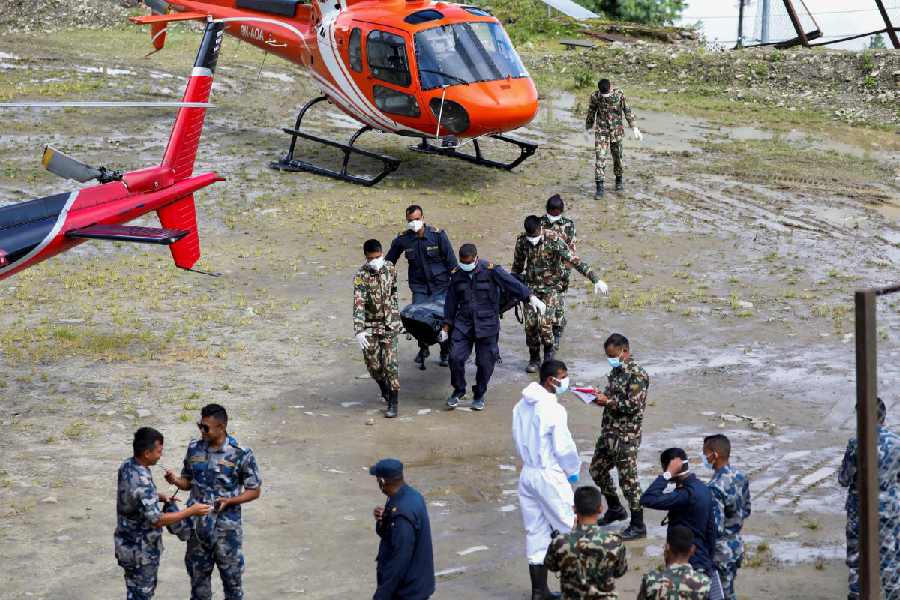
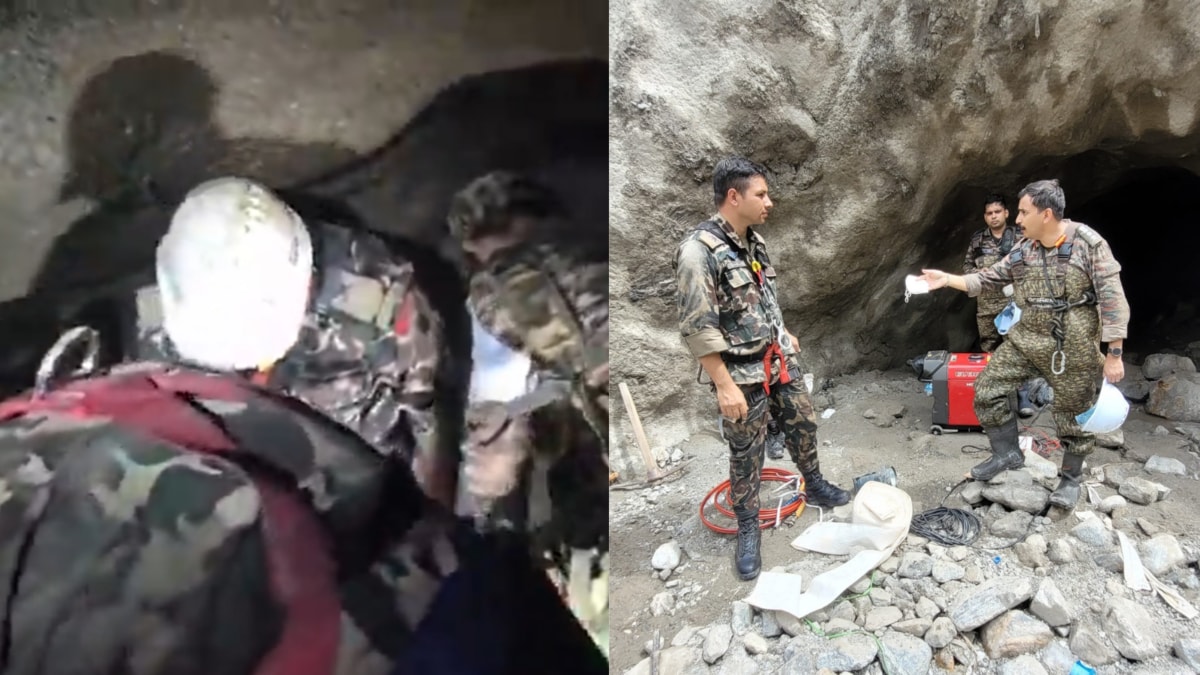
Many workers were rescued, but more than 600 were still missing when the article was written.
Upper Trishuli-1 was one of the worst-affected projects.
Two international banks had lent money to help build it.
Reports said the project did not receive a proper climate-risk assessment before the flood.
An early-warning siren also reportedly did not work during the disaster.
Experts say Nepal and its lenders should plan more carefully and consider smaller solar, wind and hydropower projects.

A flood damaged or destroyed 13 hydropower projects in Nepal, with more than 600 workers still missing according to the report.
Around 350 workers were rescued, including 73 Indians from the 216-MW Upper Trishuli-1 project.
The Asian Development Bank and Asian Infrastructure Investment Bank provided a combined $150 million in loans to Upper Trishuli-1.
A 2024 expert panel found that no climate-resilience assessment had been conducted, and said in May 2025 that it remained incomplete.
Experts say weak warning systems, river dumping of construction debris and dependence on large hydropower projects increased safety and financial risks.
- Who
- Workers at Nepalese hydropower projects, project authorities, the Asian Development Bank, the Asian Infrastructure Investment Bank and independent experts.
- What
- A major flood damaged or destroyed 13 hydropower projects and prompted criticism that climate and disaster risks had not been properly assessed.
- Where
- Nepal’s Trishuli River valley, including the Upper Trishuli-1 and Chilime hydropower projects.
- When
- The main flood occurred on August 26; an additional flood was reported the following week, while relevant expert reviews were conducted in December 2024 and May 2025.
- Why
- The flood followed heavy water flows and related climatic and geological conditions; experts argue that inadequate risk assessments, warning systems and debris management worsened the danger.
Critics and climate-risk experts
Hydropower development rationale
Project risk assessment
Critics and climate-risk experts
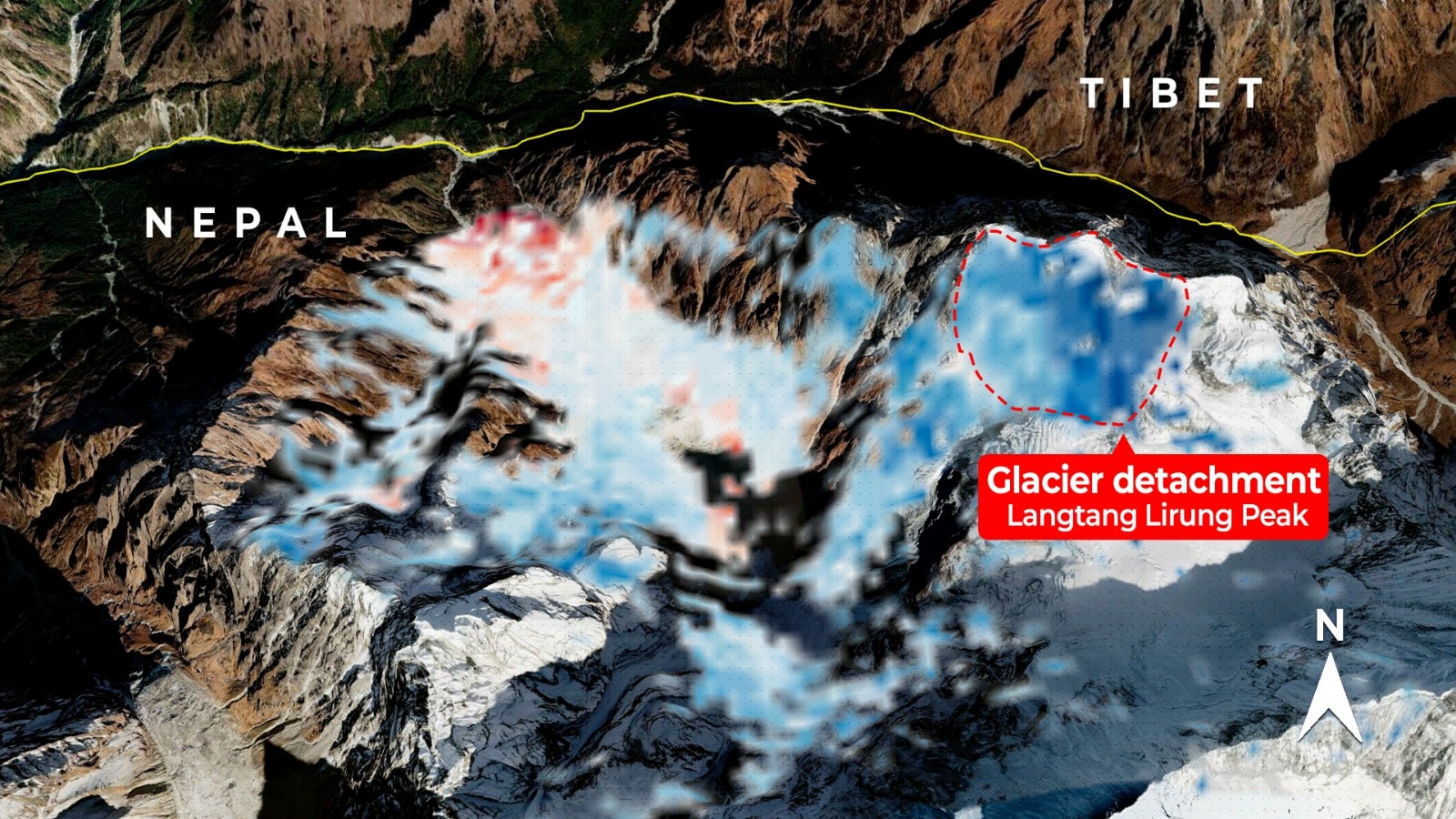
Researchers and accountability advocates say the banks and project authorities failed to complete climate-resilience and disaster-risk assessments despite known flood and glacial-lake risks.
Hydropower development rationale
The project was advanced as part of Nepal’s effort to expand electricity generation and reduce dependence on imported fossil fuels; the article does not include a direct response from the banks or project authorities.
Scale of hydropower projects
Critics and climate-risk experts
Experts argue that Nepal should diversify into distributed solar and wind, strengthen its grid and favor smaller or community-led projects over cascades of large dams.
Hydropower development rationale
Nepal’s development strategy relies heavily on hydropower, which accounts for almost all installed electricity-generation capacity, according to the report.
Accountability and safeguards
Critics and climate-risk experts
Advocates say delayed warning-system improvements, construction debris dumped near the river and unimplemented expert recommendations show that lenders did not follow their own accountability procedures.
Hydropower development rationale
The article reports that the banks and project authorities were asked for comment but had not responded when it was published.
Key facts
- Affected projects
- Thirteen hydropower projects were damaged or destroyed by the flood.
- Upper Trishuli-1 capacity
- 216 megawatts.
- Project financing
- The Asian Development Bank and Asian Infrastructure Investment Bank provided a combined $150 million in loans.
- Rescued workers
- About 350 workers were rescued from affected hydropower projects.
- Missing workers
- More than 600 workers were still missing according to the report; about 150 Indian and Nepali workers from Upper Trishuli-1 were also reported missing.
- Climate assessment
- An Asian Development Bank expert panel said no climate-resilience assessment had been undertaken and that its recommendation remained unfulfilled in May 2025.
- Nepal electricity
- The report says hydropower supplies more than 98% of Nepal’s electricity.
Quotes
Vaishnavi Vardarajan
Asia Pacific Program Coordinator at the International Accountability Project
“If banks did not conduct such assessments, they are just bankrolling climate disasters.”
 scroll.in
“There is a clear lapse of their own accountability duties.”
scroll.in
Sources
Related news
Nepal Floods Leave 933 Hydropower Workers Missing in Tunnels

Nepal Hydropower Project Vacancy Announcement Draws Criticism Amid Flood Rescue
Nepal Searches for 933 Hydropower Workers Missing After Floods

Nepal Floods Kill 734 as Rescue Efforts Enter Day Four
Nepal Tunnel Rescue Race Against Time After Devastating Floods

Brother Search Intensifies After Nepal-Tibet Flash Floods Leave Hundreds Missing
Kailash Flood Tragedy Puts Sadhguru’s Safety Claims Under Fire

Nepal Flood Death Toll Tops 1,200 as Searches Continue
Satellite Radar May Strengthen Nepal's Flood Warning Systems