2 days ago
Yen Weakens as U.S. Rate Hike Signals Offset Intervention

The Japanese yen has become weaker compared with the U.S. dollar.
This happened partly because investors think the United States may raise interest rates.
Higher U.S. rates can make dollars more attractive.
Japan and the United States have spent $98.7 billion trying to support the yen, but the currency has continued to fall.
The yen briefly passed the important level of 160 yen per dollar.
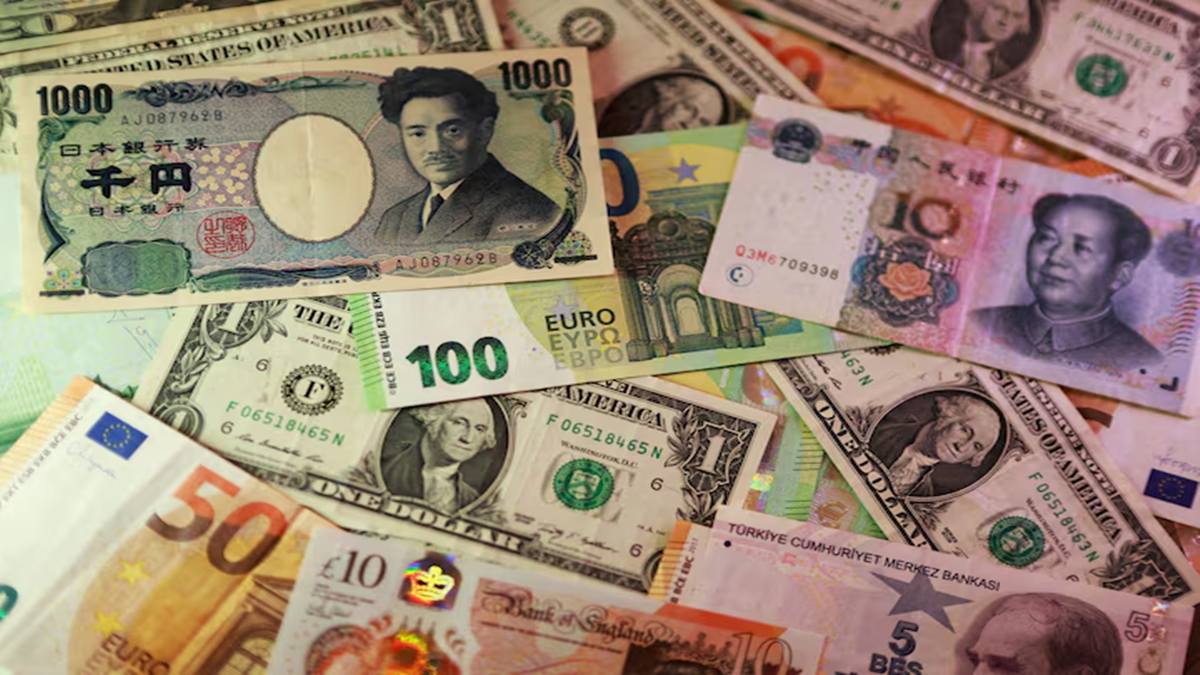
Japan’s long-term government bond yields also rose to their highest level in 30 years.
U.S. Treasury Secretary Scott Bessent said the yen’s movements were mostly under control.
Some analysts expect Japan to raise its own interest rates to help limit further weakening.

The yen fell to 160.20 per dollar on Friday, breaching the key 160 level for the first time since Japan-U.S. intervention.
Expectations of higher U.S. interest rates lifted Treasury yields and the dollar, increasing pressure on the yen.
Japan spent a record $98.7 billion over the past month supporting the yen in coordinated action with the United States.
The 10-year Japanese government bond yield rose to a fresh 30-year high of 2.95%, while the dollar later traded at 159.85 yen.
U.S. Treasury Secretary Scott Bessent said the yen’s movements were contained and expressed confidence in Bank of Japan Governor Kazuo Ueda.
- Who
- The Japanese yen, U.S. officials, Japan’s government, the Bank of Japan, and financial-market participants.
- What
- The yen weakened as expectations of U.S. interest-rate increases strengthened the dollar, despite major Japan-U.S. efforts to support the currency.
- Where
- In currency and bond markets involving Japan and the United States; the remarks by Kevin Warsh were made at the Jackson Hole economic symposium.
- When
- The yen fell on Friday; Japanese bond yields rose on Monday, and further discussions are expected at an upcoming G20 meeting.
- Why
- Expected U.S. monetary tightening could keep U.S.-Japan interest-rate differences wide, while Japan’s intervention has had limited success in reversing the yen’s decline.
Pressure for tighter Japanese policy
Confidence in current containment
How to respond to yen weakness
Pressure for tighter Japanese policy
Takahide Kiuchi said the United States may seek Bank of Japan rate increases, alongside cautious Japanese fiscal policy, to reduce risks from further yen weakening.
Confidence in current containment
Scott Bessent said the yen’s movements were already “pretty well contained” and expressed confidence that Kazuo Ueda would handle monetary policy appropriately.
Interest-rate outlook
Pressure for tighter Japanese policy
Warsh’s remarks increased expectations of U.S. rate hikes, while analysts said higher Japanese rates could help mitigate the resulting pressure on the yen.
Confidence in current containment
Bessent’s comments suggested confidence in Ueda’s policy management, with Prime Minister Sanae Takaichi’s backing, rather than an immediate indication that Japan must change course.
Importance to the United States
Pressure for tighter Japanese policy
Kiuchi said limiting yen weakness could correct dollar strength, reduce the U.S. trade deficit, and protect U.S. economic and financial stability.
Confidence in current containment
The article reports no direct rejection of these benefits from U.S. officials, but Bessent characterized the yen’s movements as contained.
Key facts
- Yen low
- The yen weakened to 160.20 per dollar on Friday.
- Latest exchange rate
- The dollar was last trading at 159.85 yen.
- Currency support spending
- Japan spent a record $98.7 billion over the past month to support the yen in joint action with the United States.
- Japanese bond yield
- The 10-year Japanese government bond yield reached 2.95%, a fresh 30-year high.
- U.S. policy signal
- Federal Reserve Chairman Kevin Warsh signaled openness to raising interest rates if inflation does not move sufficiently toward the Fed’s objective.
- U.S. Treasury view
- Treasury Secretary Scott Bessent said the yen’s moves were “pretty well contained.”
- Potential policy response
- Analyst Takahide Kiuchi said Bessent may press Japan at the G20 to maintain fiscal discipline and raise Bank of Japan interest rates.
Quotes
Takahide Kiuchi
Nomura Research Institute economist and former Bank of Japan policy board member
“The rise in Japan’s long-term bond yields accompanying yen depreciation threatens to spill over into U.S. markets and disrupt U.S. economic and financial stability, making yen containment a benefit to the U.S. as well.”
 livemint.com
“We must be confident that underlying inflation is moving to our objective, clearly and at sufficient speed. Otherwise, we have work to do.”
livemint.com
Sources
Related news

Japan Faces Policy Reckoning as Bessent Presses Rate Hikes

Yen Weakens 1%, Erases Half of Intervention Gains

Yen Surrenders Nearly Half Its Gains From US-Japan Intervention
Yen Firms After Landmark Intervention, Dollar Near Six-Week Lows

Yen Breach of 160 Revives Japan Intervention Watch
Yen Intervention Gains Fade as Rate Gaps Drive Decline

Indian Firms Invest $40 Billion in U.S., Supporting Jobs
Trump Aides Seek Quiet Iran War Before Midterm Elections
Global Bond Sell-Off Pushes Japan Yields To 30-Year High

US and China Hold Quiet Talks Over Iran Conflict
Trump-Xi Talks Expected to Address AI Guardrails