2 hrs ago
BRICS Climate Debate Highlights Clean Air’s Economic Importance

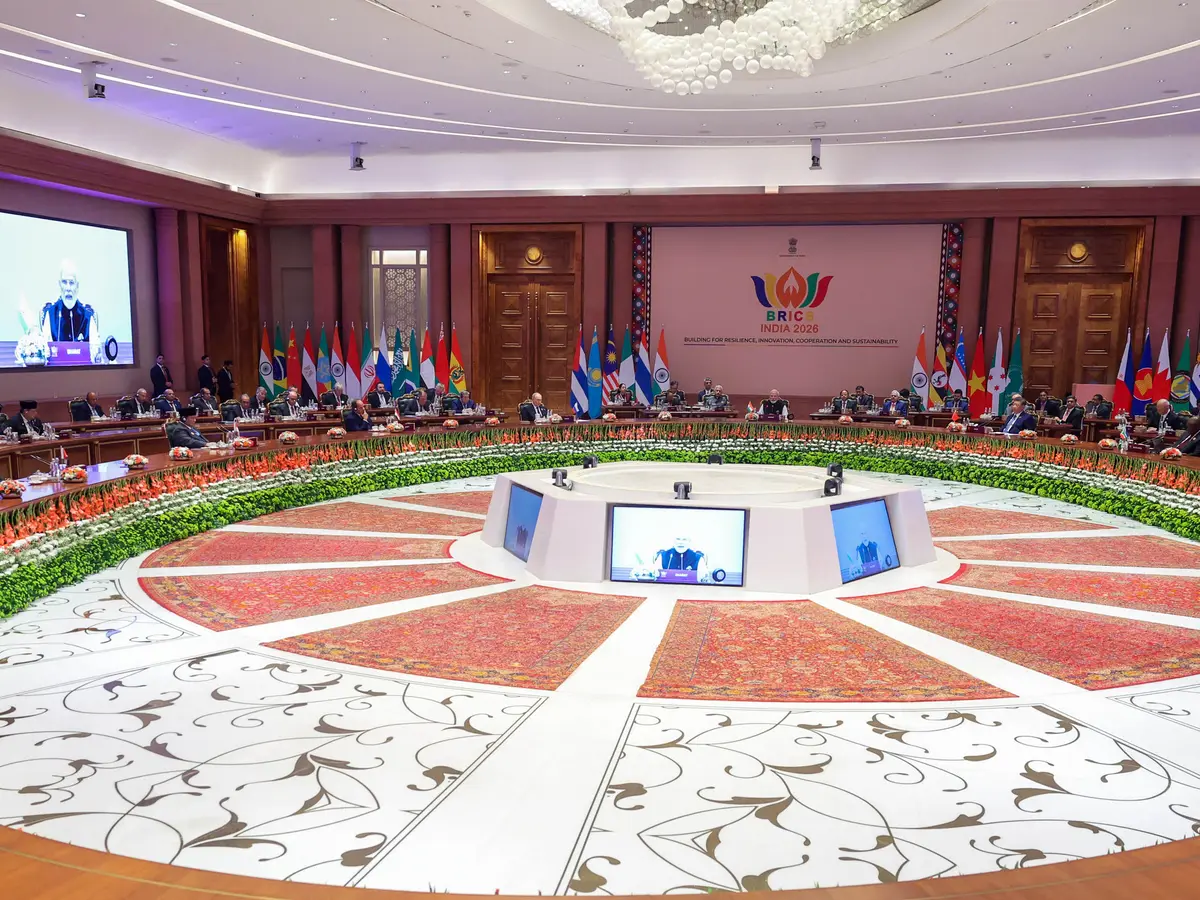
The BRICS countries discussed how to produce energy while protecting the climate.
They said poorer and developing countries need money and technology to use cleaner energy.
However, their declaration did not directly discuss air pollution.
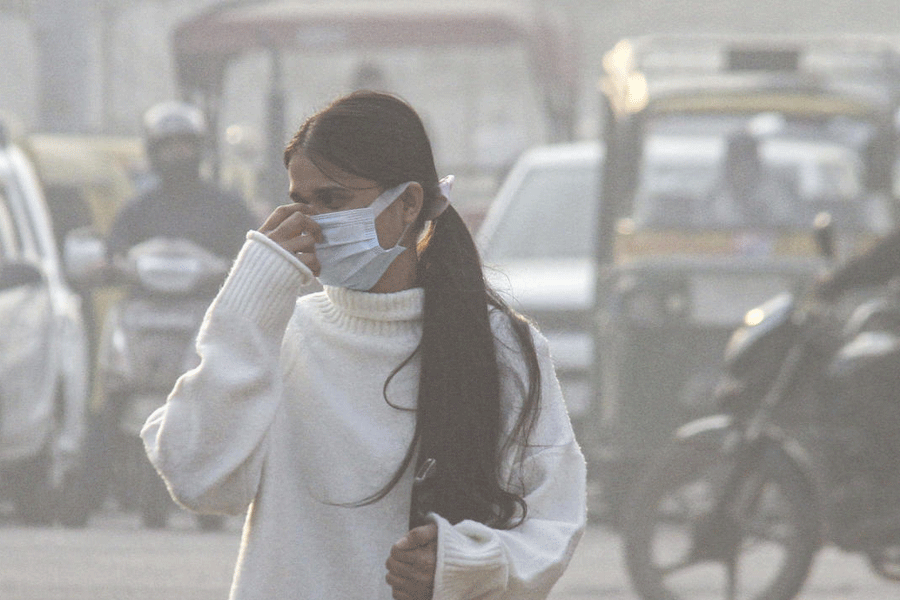
Air pollution is already costing South Asia a lot of money and harming people’s health.
A study says that cleaner cooking, transport, factories and power plants could bring large benefits.
Cleaner air would help people quickly, while climate benefits would grow over many years.
Different places need different solutions because their pollution comes from different sources.
If governments delay action, people may keep breathing unhealthy air and some benefits may be lost forever.

The BRICS declaration supports a just energy transition, more climate finance and technology access while recognizing developing countries’ continued use of fossil fuels.
The declaration reaffirms the Paris Agreement but does not explicitly address air pollution, despite its major health and economic costs.
A UNEP assessment estimates air pollution costs South Asia about 10% of its GDP and says combined climate and clean-air measures could return about Rs 21 per rupee invested.
Clean cooking, power-sector changes, industrial standards and vehicle-emission controls are identified as important measures, with benefits depending on rapid implementation.
Implementation delays average about 7.5 to eight years, and delaying national air-quality measures could halve the projected reduction in PM2.5 exposure by 2040.
- Who
- BRICS countries, South Asian governments, the United Nations Environment Programme and the Climate and Clean Air Coalition.
- What
- The BRICS climate declaration and a related assessment highlight the economic and health case for combining air-pollution controls with climate action.
- Where
- The summit was held in New Delhi, with the analysis focused particularly on South Asia and India’s states and districts.
- When
- The BRICS Summit ended recently in the account; the assessment projects impacts through 2040 and 2050.
- Why
- Developing economies need energy and growth while reducing the health, economic and climate damage caused by pollution and delayed implementation.
Key facts
- South Asia’s pollution cost
- Air pollution imposes an economic burden equivalent to about 10% of South Asia’s GDP.
- Estimated investment return
- Combined air-pollution and climate measures could provide about Rs 21 in economic and health benefits for every Rs 1 invested in South Asia.
- Global market returns
- Excluding non-market benefits, measurable global market returns are estimated at about four dollars for every dollar spent.
- Top near-term measure
- Clean cooking and heating offers the largest return among the measures examined for South Asia by 2035.
- Implementation delay
- Average implementation delays are estimated at roughly 7.5 to eight years.
- PM2.5 impact
- Meeting national air-quality standards on schedule from 2026 could reduce cumulative PM2.5 exposure by about 20% by 2040; an eight-year delay could reduce that gain to 10%.
- India’s local variation
- Madhya Pradesh’s emissions assessment maps pollution sources across all 55 districts.
Sources
Related news
Timely Clean-Air Action Could Cut Delhi PM2.5 Exposure 20%
BRICS Climate Declaration Rejects One-Size-Fits-All Net Zero Model
Delhi BRICS Summit to Advance Climate Cooperation and Resilience
BRICS Frames Climate Resilience as Economic Growth Strategy

India's Clean Air Efforts Show Progress, Officials Emphasize Shared Responsibility

Indore High Court Upholds ₹25,000 Late Fee For ADPO Applications

Madhya Pradesh Issues Heavy Rain Alerts, Closes Satna Schools
Progressive Panel Sweeps AIMP Elections With Historic Indore Victory

Suspended Police Officer Releases Video Amid Bhopal Advocate-Police Dispute