4 hrs ago
India’s Large Grain Buffer Offers Cushion Against Global Food Risks
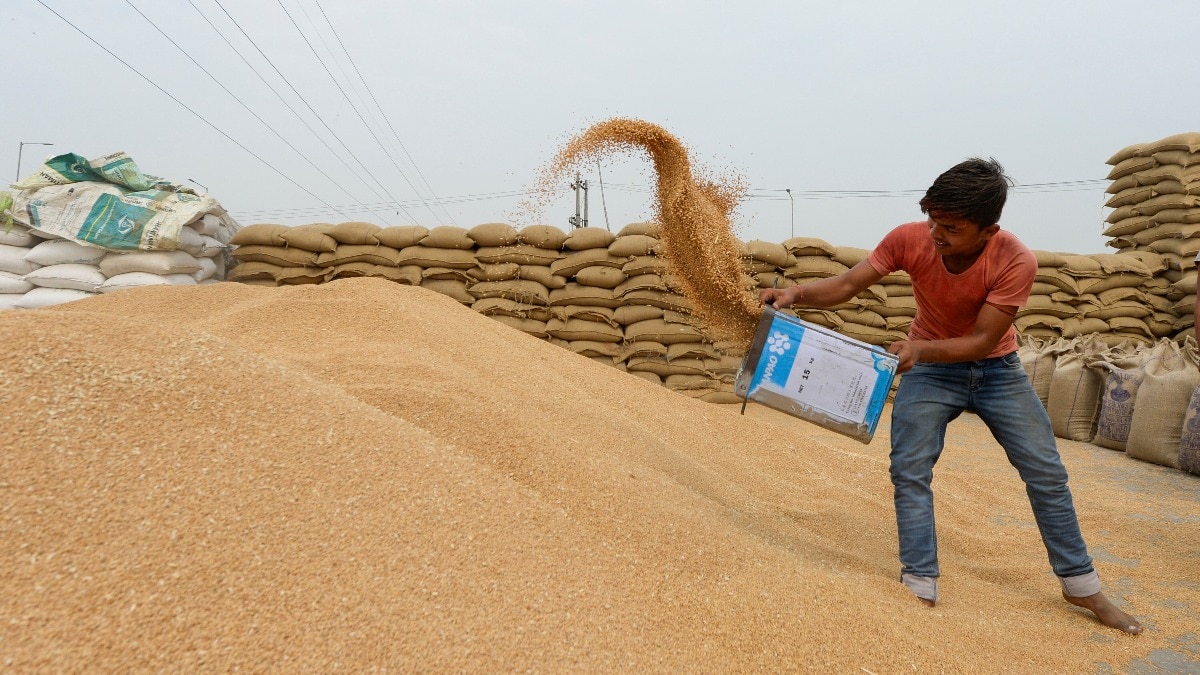
India has stored much more wheat and rice than it is required to keep as a safety supply.
These reserves can help the country if food becomes harder to obtain or prices rise.
The reserves stayed large even after some grain was used during the season.
India also bought more wheat from farmers, and the latest estimate says the wheat harvest was bigger than the year before.
The government can sell some stored grain if it needs to increase supplies or steady prices.
But food production around the world faces problems, including costly fertiliser and shipping disruptions.
These costs could eventually make farming more expensive in India too.
The government has raised the minimum price it will pay farmers for wheat and several other crops.

India’s wheat and rice stocks totalled 925.85 lakh metric tonnes on July 1, 2026, more than 2.2 times the prescribed norm.
By September 1, stocks stood at 870.45 LMT, still almost 2.8 times the October 1 stocking norm.
Wheat procurement reached about 33.8 million tonnes by June 15, 2026, while 2025-26 wheat production was estimated at 120.7 million tonnes.
The government can release surplus grain through the Food Corporation of India’s Open Market Sale Scheme to augment supplies and help stabilise prices.
Global fertiliser costs and shipping disruptions around the Strait of Hormuz are raising food-security concerns, while higher input and freight costs could burden future harvests.
- Who
- The Indian government, the Food Corporation of India, and the Commission for Agricultural Costs and Prices.
- What
- India’s large wheat and rice reserves provide a buffer against global food-market risks; the government is monitoring procurement, storage and prices.
- Where
- India, with global food-market risks including disruptions around the Strait of Hormuz.
- When
- Stock figures are reported for July 1 and September 1, 2026; wheat procurement figures are through June 15, 2026.
- Why
- Large grain reserves give the government room to respond to supply or price pressures amid concerns about fertiliser costs, geopolitical tensions and shipping disruptions.
Food security and price stability
Farm costs and returns
Using grain reserves to manage market pressure
Food security and price stability
The government says substantial stocks and FCI market releases can help respond to supply pressures and stabilise prices.
Farm costs and returns
The article notes that higher fertiliser, energy and freight costs could raise cultivation costs and undermine the economics of the next harvest.
Balancing consumer needs and farmer returns
Food security and price stability
Large grain stocks and the option to release surplus supplies provide a means to augment availability and contain inflation.
Farm costs and returns
The government has raised MSPs to support farm returns; wheat’s ₹2,610-per-quintal MSP is stated to be 106% above the CACP’s estimated production cost.
Key facts
- Wheat and rice stocks, July 1, 2026
- 925.85 LMT, compared with a prescribed norm of 411.20 LMT
- Wheat and rice stocks, September 1
- 870.45 LMT: 479.92 LMT wheat and 390.53 LMT rice
- Wheat procurement
- About 33.8 million tonnes by June 15, 2026, compared with 30.2 million tonnes a year earlier
- 2025-26 wheat production estimate
- 120.7 million tonnes, compared with 110.6 million tonnes in 2024-25
- Wheat MSP for Rabi Marketing Season 2027-28
- ₹2,610 per quintal, an increase of ₹25
- Kharif paddy procurement estimate
- 708.64 LMT in paddy terms for 2026-27
- Open Market Sale Scheme
- Allows FCI to release surplus wheat and rice to augment supplies, stabilise prices and contain inflation
Quotes
Government sources
Unnamed government sources commenting on grain procurement and global market volatility.
“Rice and wheat procurement is stable, prices might swing due to global market volatility but we are constantly monitoring developments. Won’t let farmers get impacted.”
 businesstoday.in
Sources
Related news

India’s Food Reserves Buffer Crisis, but Key Risks Remain
Mustard and Gram Prices Exceed MSP as Inflation Concerns Persist

Panagariya Says India Can Weather Food and Fertiliser Disruptions
Sitharaman Warns Hormuz Disruption Threatens Global Food Security

Centre Raises Wheat MSP Above Double Production Cost for 2027-28
Govt announces rabi MSP hikes to promote oilseed production
Oil Jumps as Gulf Storm and Iran Risks Tighten Supply
Sensex Falls 863 Points as Crude and Global Weakness Pressure Markets
Hormuz Traffic Falls; Tanker Attacks Rise, Houthis Claim Riyadh Strike