6 hrs ago
Mustard and Gram Prices Exceed MSP as Inflation Concerns Persist
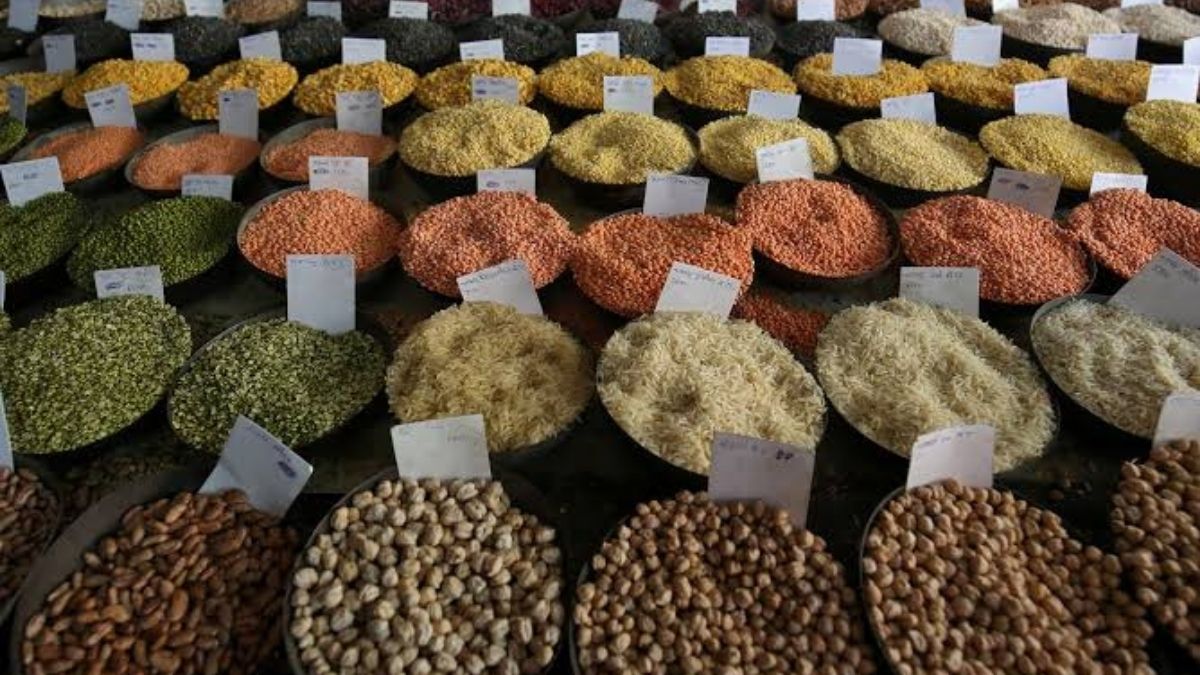
Mustard and gram are selling for more in markets than the prices the government has set as support prices.
Higher prices around the world for edible oils and pulses are one reason domestic prices have risen.
The government’s announced support prices for these crops apply to the next marketing season, while the mustard being sold is from the previous season.
Traders want the government to sell some of its stored chana to bring prices down.
Wheat’s support price rose only a little.
The government has a large amount of wheat in storage and plans to sell some to bulk buyers.
Farmers’ group Samyukta Kisan Morcha criticized the small wheat price increase.
The report says sowing of mustard and chana is expected to begin by the end of October.

Mustard in Bharatpur was selling for more than Rs 8,000 per quintal, about 21% above its announced MSP of Rs 6,613.
Gram prices were Rs 7,000–7,200 per quintal, around 17% above its announced MSP of Rs 5,958.
Trade sources attributed higher oilseed and pulse prices partly to elevated global edible-oil and pulses prices.
Traders urged the government to release nearly 2 million tonnes of chana buffer stock to reduce market prices.
Wheat’s MSP rose less than 1% to Rs 2,610 per quintal for 2026–27; surplus government stocks may put pressure on market prices.
- Who
- Farmers, traders, government agencies, and Samyukta Kisan Morcha are involved in the market and MSP debate.
- What
- Mustard and gram market prices are above their announced MSPs, while wheat’s MSP has risen by less than 1%.
- Where
- Markets in Bharatpur and Kota, Rajasthan, are cited.
- When
- The report describes current prices ahead of winter-crop sowing; mustard and chana sowing is expected to begin by the end of October.
- Why
- Trade sources link higher oilseed and pulse prices to elevated global prices for edible oils and pulses; surplus wheat stocks are cited as a reason for the modest wheat MSP increase.
Criticism and calls for lower prices
Government and industry explanations
Wheat MSP increase
Criticism and calls for lower prices
Samyukta Kisan Morcha criticized the marginal increase in the remunerative price offered to farmers.
Government and industry explanations
An official note said increased MSPs for rabi crops would ensure remunerative prices and encourage crop diversification; an industry representative said wheat prices were raised in line with market conditions and supplies.
Reducing chana prices
Criticism and calls for lower prices
Traders urged the government to release close to 2 million tonnes of stored chana to bring down current market prices.
Government and industry explanations
The article reports the traders’ proposal but gives no response from the government agencies holding the stock.
Key facts
- Mustard price and MSP
- Above Rs 8,000 per quintal in Bharatpur, against an announced MSP of Rs 6,613 for the 2027–28 marketing season.
- Gram price and MSP
- Rs 7,000–7,200 per quintal, against an announced MSP of Rs 5,958 for the next season.
- Chana buffer stock
- Traders urged the release of close to 2 million tonnes held by government agencies Nafed and NCCF.
- Wheat MSP
- Rs 2,610 per quintal for 2026–27, up Rs 25 from Rs 2,585 in the previous season.
- Wheat market prices
- Rs 2,550–2,800 per quintal in Kota, Rajasthan.
- Food Corporation of India wheat stocks
- Over 46.76 million tonnes, compared with a buffer and strategic reserve norm of 20.52 million tonnes for October 1.
- Sowing period
- Mustard and chana sowing is expected to commence by the end of October; rabi crops are generally sown in October and November.
Quotes
Dharmendra Jain
President of the Roller Flour Millers Federation of India.
“The sowing of mustard is likely to start soon; farmers have been realising far higher prices than what the government has offered through MSP.”
 financialexpress.com
“Wheat remunerative prices have been hiked as per market conditions and supplies, as the government holds surplus grain stock currently.”
financialexpress.com
Sources
Related news
Govt announces rabi MSP hikes to promote oilseed production

Centre Raises Wheat MSP Above Double Production Cost for 2027-28

Centre Raises Rabi MSPs for 2027-28, Minister Says

India Approves Rabi Crop MSP Hikes, Wheat Increase Remains Modest

Cabinet Approves Rabi MSP Hike for Six Crops

Kharif Crop Prices Seen Strong, Except Bajra and Moong

Rajasthan Congress Gives Vishvendra Singh Seven Days to Respond

Rajasthan Congress Notices Ex-Minister Vishvendra Singh After Exit Hint

Congress Sends Disciplinary Notice as Vishvendra Singh Signals Exit

Rajasthan Congress Rejects Claims of Internal Discord After Polls