2 hrs ago
India’s Food Reserves Buffer Crisis, but Key Risks Remain
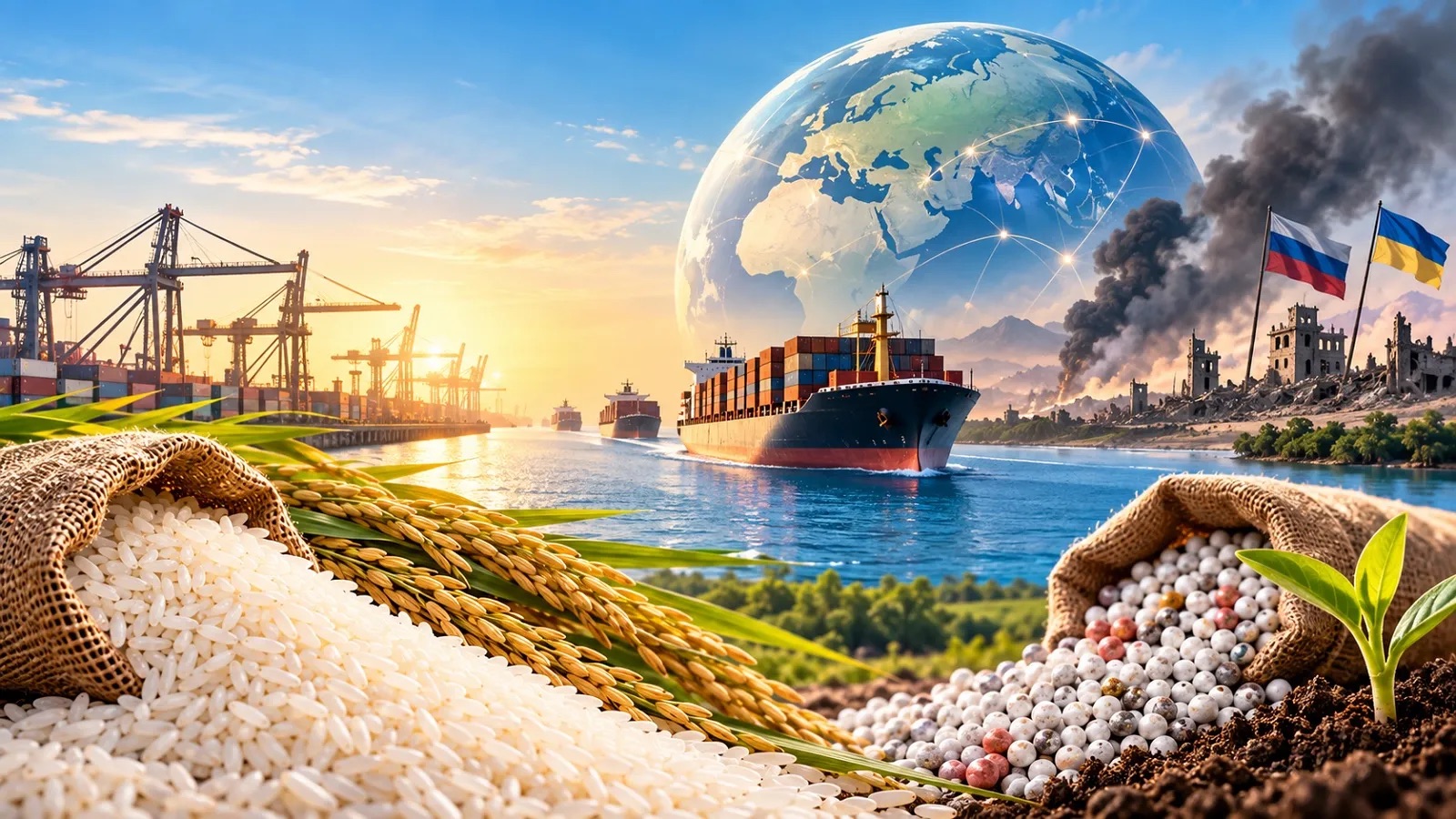
The world may face problems getting food to people, even when food still exists.
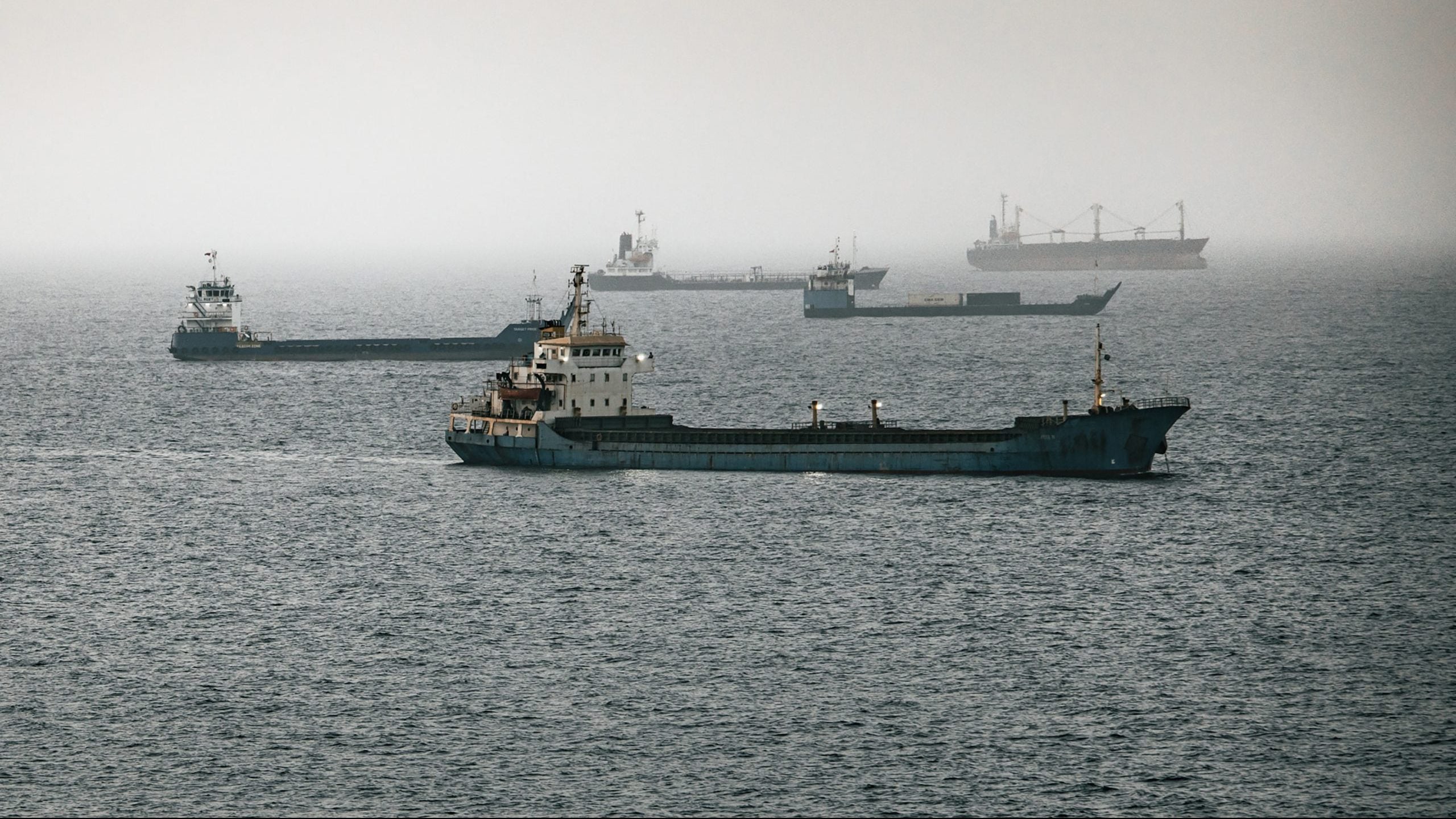
War and shipping problems can make grain and fertiliser harder to move.
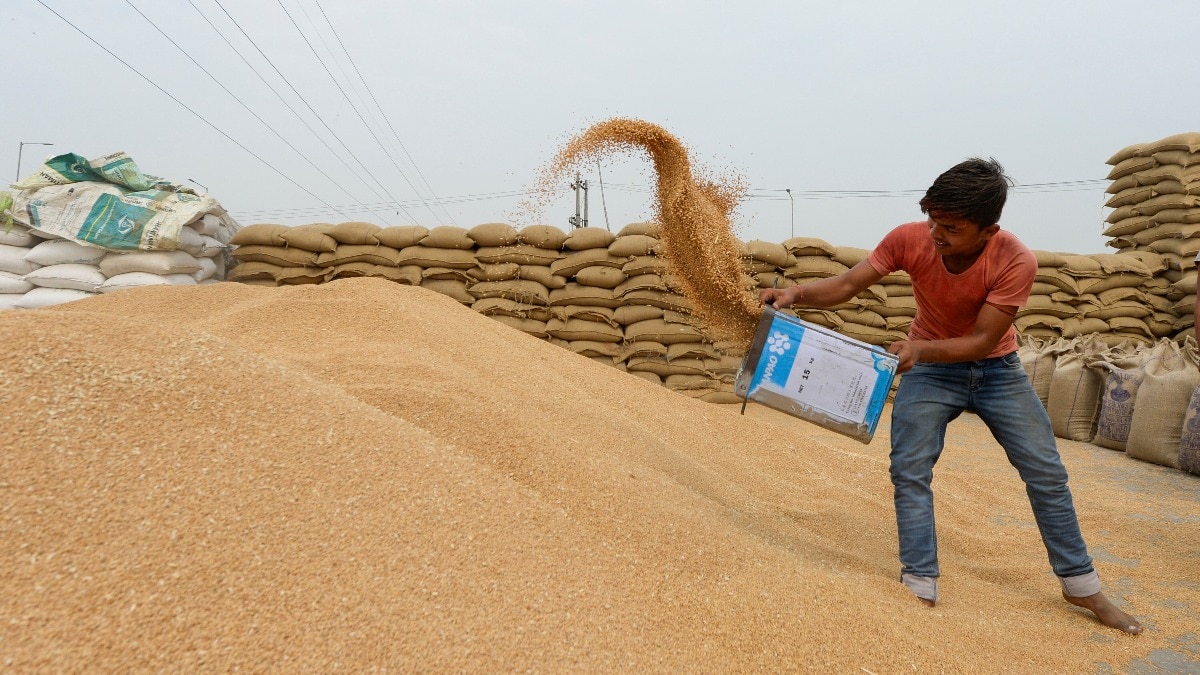
India has large stores of rice and wheat, which can help protect people from an immediate shortage.
The government also provides free grain to many people.
But India buys much of its cooking oil and some of its pulses from other countries, so their prices can rise.
Less rain and a stronger El Niño could also hurt crops.
Farmers need water and fertiliser at the right time to grow food.
India is better protected for now, but keeping food affordable could become harder if these problems continue.

Global food pressures include disrupted Black Sea grain shipments, threatened Gulf fertiliser supplies, rising prices and El Niño.
India’s rice and wheat stocks are well above stated buffer benchmarks, and free grain reaches more than 81 crore beneficiaries.
An industry estimate—not an official forecast—projects Indian rice output could fall by about 10 million tonnes.
India remains exposed to international prices because it imports roughly two-thirds of its edible oil and 18–20% of its pulses.
Future preparedness depends on water, timely fertiliser access and affordable food, particularly if poor harvests continue into 2027.
- Who
- India, its farmers and consumers, and countries affected by disruptions to food and fertiliser trade.
- What
- India has substantial rice and wheat reserves but faces exposure to fertiliser, edible-oil, pulse and water risks amid global supply disruptions.
- Where
- India, amid disruptions affecting the Black Sea and the Strait of Hormuz.
- When
- The article discusses conditions in 2026 and risks extending into 2027.
- Why
- Conflict, shipping disruption, rising prices, deficient and uneven rainfall, and El Niño threaten food access, affordability and future production.
Domestic protection
Global supply and export continuity
Rice export policy
Domestic protection
Restricting exports during a poor harvest could help limit domestic price pressure and protect consumers.
Global supply and export continuity
Maintaining exports can support importing countries; India accounts for more than 40% of global rice exports, so restrictions can create shortages elsewhere.
Use of surplus rice
Domestic protection
Keeping grain available for domestic food needs may be important if harvests weaken.
Global supply and export continuity
The article notes that decisions about supplying surplus rice to ethanol producers also have consequences, alongside procurement, subsidies and export choices.
Key facts
- FAO Food Price Index
- 133.3 points in August 2026, about 7.6% above January's level.
- Global cereal production projection
- Approximately 2,980 million tonnes in 2026, down from a record 3,043 million tonnes in 2025.
- India rice inventories
- 59.6 million tonnes in September, including unmilled paddy; the stated buffer benchmark is 10.3 million tonnes.
- India wheat stocks
- Approximately 48 million tonnes, described as comfortably above the required buffer.
- Free foodgrain distribution
- Covers more than 81 crore beneficiaries.
- Rice production estimate
- An industry estimate suggests output could fall from the previous record of 154 million tonnes to about 144 million tonnes; it is not an official government forecast.
- Import exposure
- India imports roughly two-thirds of its edible oil requirements; imports meet approximately 18–20% of pulse consumption.
- Rabi wheat projection
- Production is projected to reach a record 121 million tonnes, with reservoir levels, irrigation and DAP availability identified as risks.
Sources
Related news

Wars, El Niño Raise Fears of Major Global Food Crisis

Jaishankar Warns Wars and El Niño Could Deepen Food Crisis

Panagariya Says India Can Weather Food and Fertiliser Disruptions
India’s Large Grain Buffer Offers Cushion Against Global Food Risks
Sitharaman Warns Hormuz Disruption Threatens Global Food Security
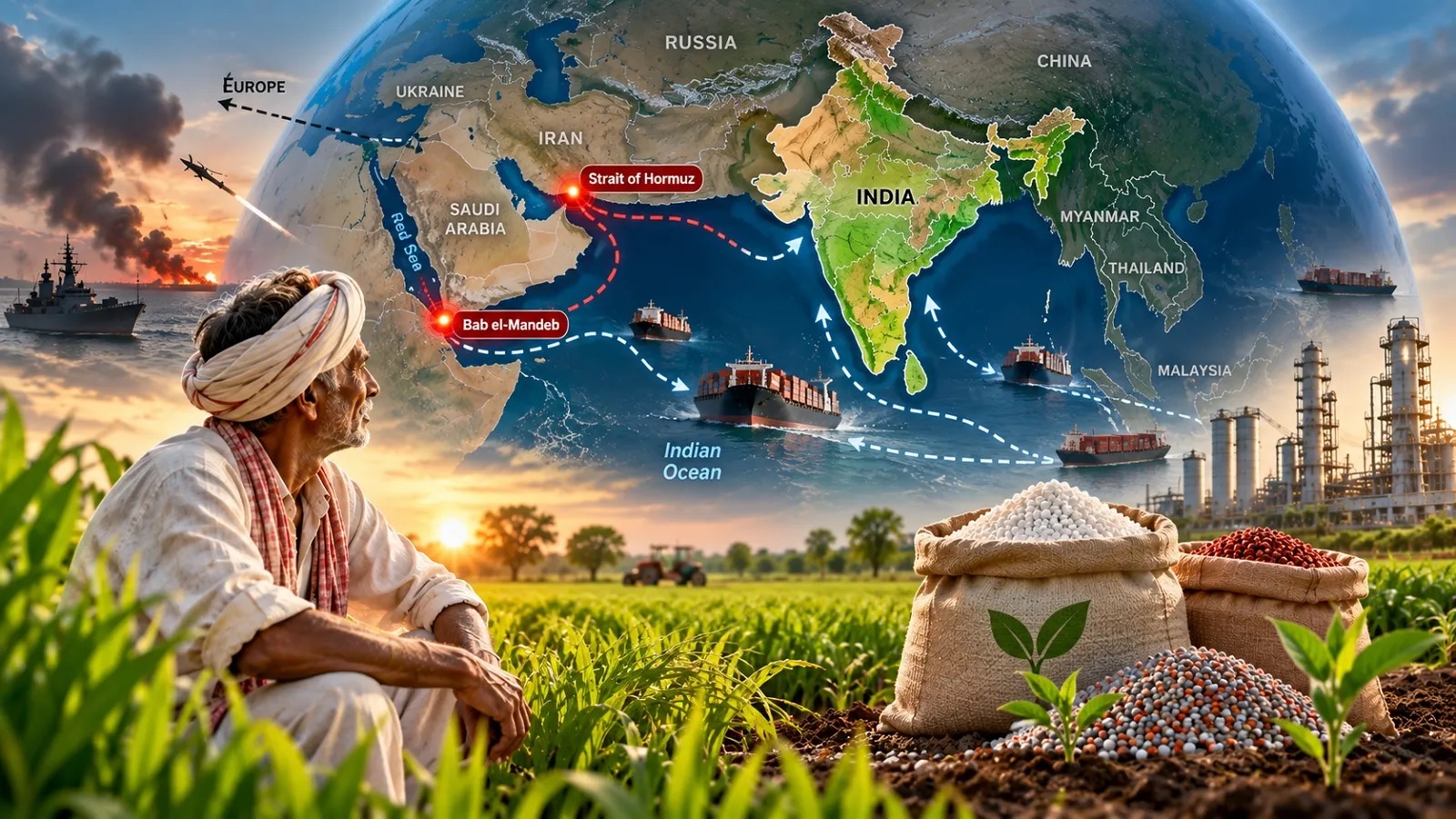
How India Protected Fertiliser Supplies During Global Disruptions
Oil Jumps as Gulf Storm and Iran Risks Tighten Supply
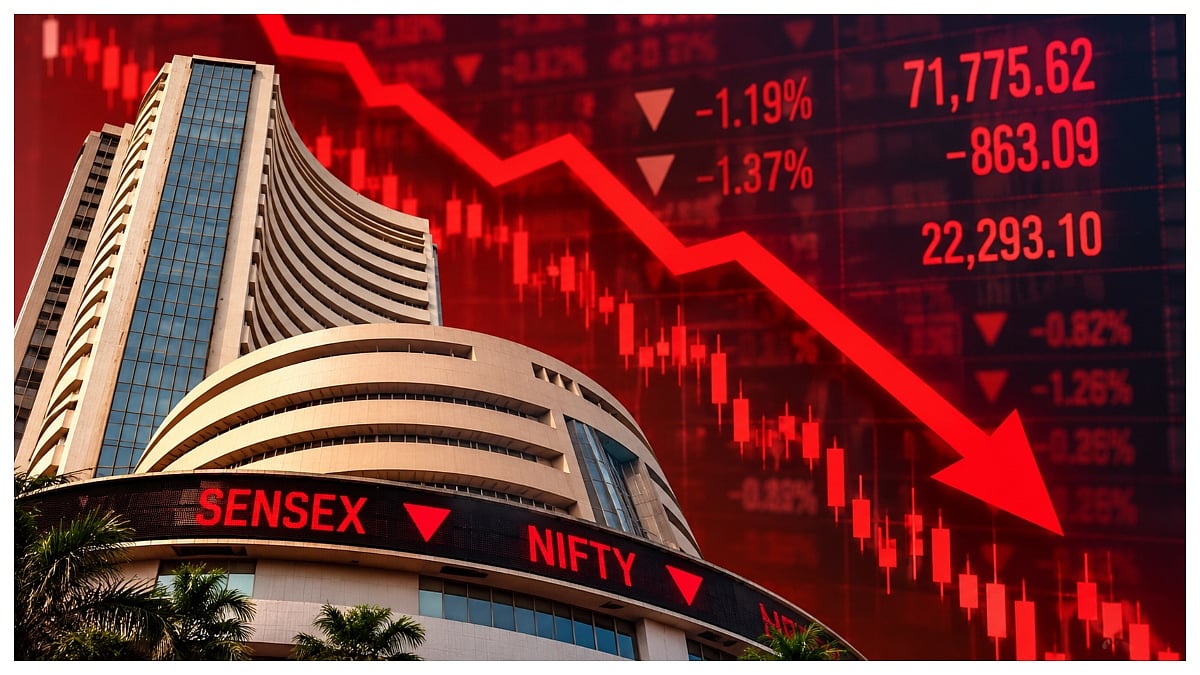
Sensex Falls 863 Points as Crude and Global Weakness Pressure Markets
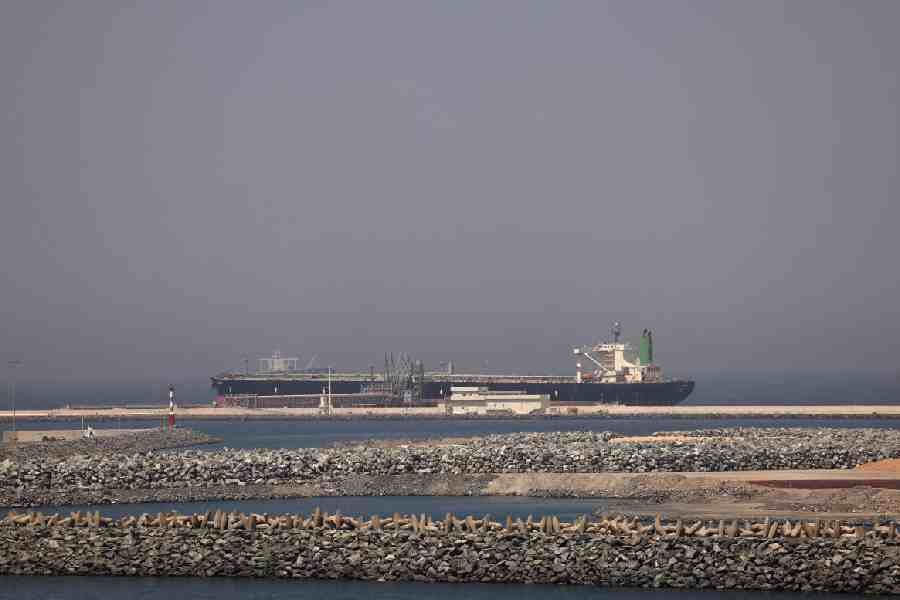
Hormuz Traffic Falls; Tanker Attacks Rise, Houthis Claim Riyadh Strike