2 hrs ago
Sitharaman Warns Hormuz Disruption Threatens Global Food Security
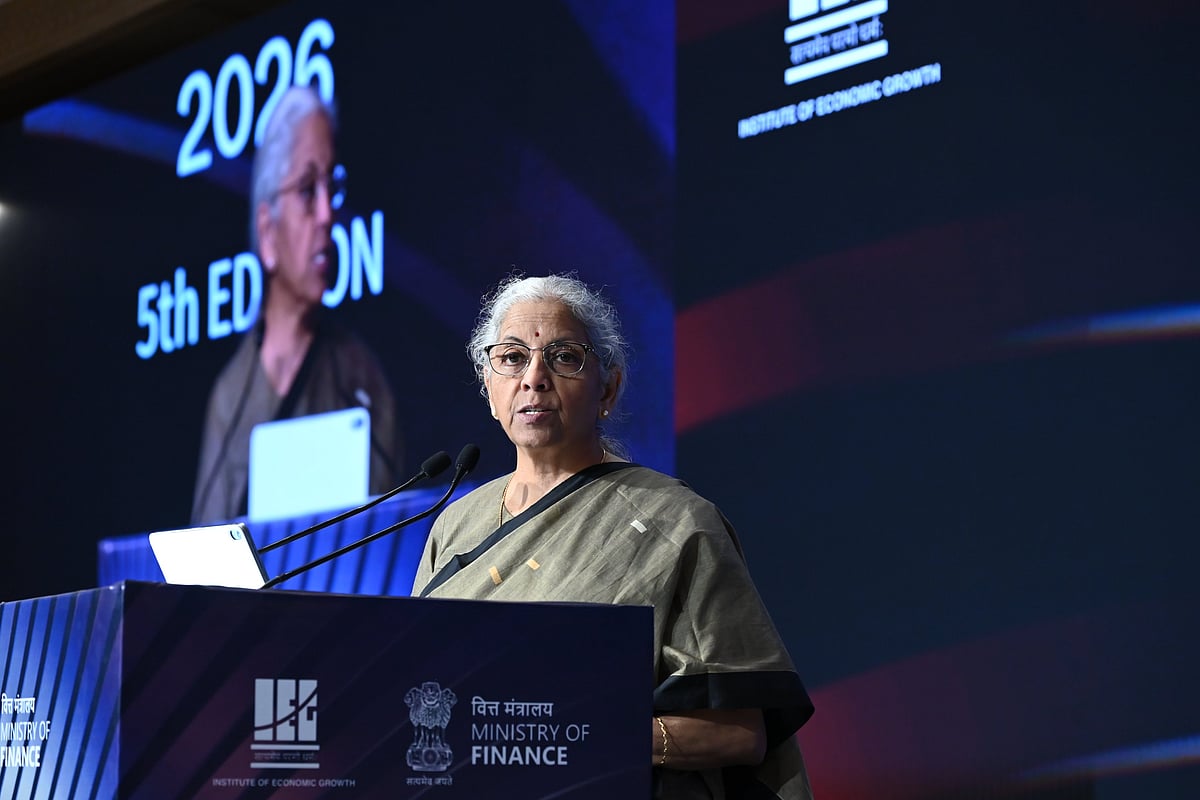
Nirmala Sitharaman said fertiliser has become very expensive around the world.
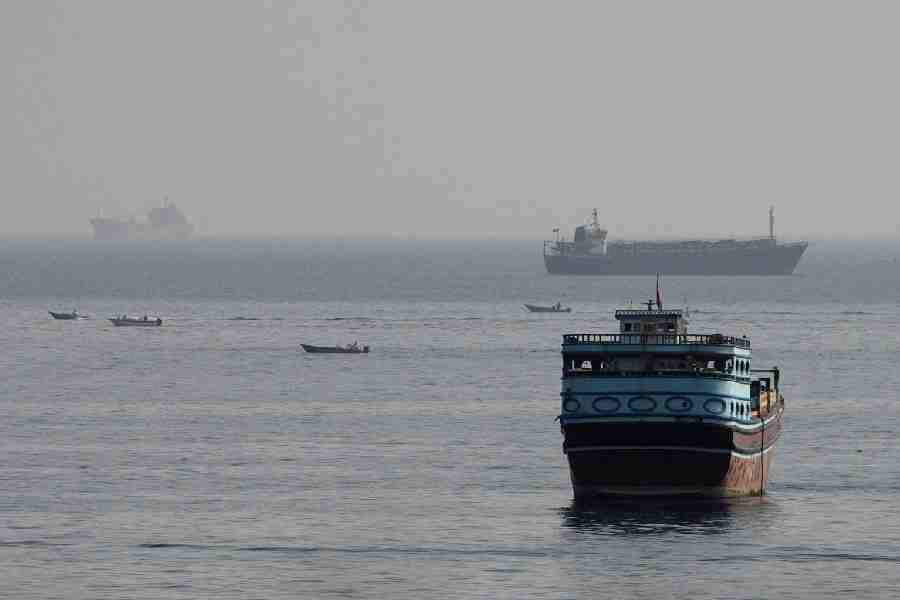
She warned that trouble for ships near the Strait of Hormuz could make it harder to move fertiliser.
This matters because farmers need fertiliser to grow food.
India buys much of its fertiliser from other countries, but the government pays a large part of the cost so farmers pay less.
The government has also created a fund to help ships carrying fertiliser with high insurance costs.
India is working to make more fertiliser at home, but that will take time.
Sitharaman also said she disagrees with a European Union climate policy she believes unfairly affects countries that contributed less to emissions.
She said India remains committed to green energy.

Finance Minister Nirmala Sitharaman said high fertiliser prices and disruption around the Strait of Hormuz challenge global food security.
India imports about 80% of its fertiliser needs, while subsidies shield farmers from international prices.
She said farmers pay about ₹300 for fertiliser that costs roughly ₹3,000 to import, with the government covering nearly ₹2,700.
The government has set up a shipping emergency fund to support fertiliser-carrying vessels facing high insurance costs.
Sitharaman opposed the EU's Carbon Border Adjustment Mechanism, while reaffirming India's green-energy commitments and welcoming a formula in the India-EU trade agreement.
- Who
- Union Finance Minister Nirmala Sitharaman
- What
- She warned that high fertiliser prices and shipping disruption around the Strait of Hormuz pose risks to global food security.
- Where
- At the Munich Leaders Meeting in New Delhi.
- When
- Monday; the article does not specify a date.
- Why
- Higher import costs, scarce shipping capacity and rising insurance premiums are making fertiliser supply more difficult and expensive.
India's position
EU policy
Carbon Border Adjustment Mechanism
India's position
Sitharaman said the EU's CBAM penalises countries that historically contributed less to emissions.
EU policy
The article describes the EU mechanism but does not provide the EU's rationale or response.
Key facts
- India's fertiliser imports
- India imports around 80% of its fertiliser requirements.
- Farmers' fertiliser cost
- Sitharaman said farmers pay around ₹300 for a unit costing about ₹3,000 to import.
- Government subsidy
- The government covers nearly ₹2,700 per unit, according to Sitharaman.
- Shipping support
- A separate shipping emergency fund has been established to support vessels transporting fertilisers, especially those facing high insurance costs.
- Domestic production
- The government is working to expand domestic urea and phosphate production capacity; Sitharaman said this would take time.
- Hormuz disruption
- The disruption around the Strait of Hormuz had lasted more than seven months, according to the article.
- Climate policy
- Sitharaman opposed the EU's CBAM and welcomed the formula agreed under the India-EU trade agreement.
Sources
Related news

India’s urea import costs fall 57% as supplies improve

Panagariya Says India Can Weather Food and Fertiliser Disruptions

Jaishankar Warns Wars and El Niño Could Deepen Food Crisis

Wars, El Niño Raise Fears of Major Global Food Crisis

Jaishankar Warns Global South Faces Energy and Food Crisis

Conflicts Drive Global Sulphur and Fertiliser Supply Crisis

West Asia Oil Exports Rebound Despite Rising Tanker Attacks
Oman Becomes India’s Top LNG Supplier as Imports Shift
Aramco CEO Warns Thin Oil Stocks Raise Market Risks

Iran’s Hormuz Leverage Weakens, but Disruption Risks Remain