1 hr ago
Rasuwa Disaster Spurs Call for Regenerative Development Beyond 2030

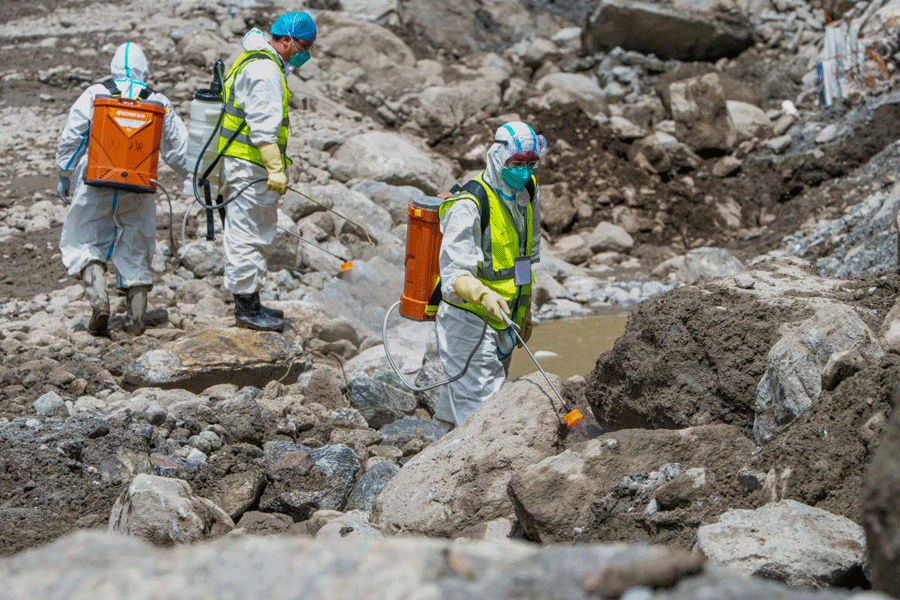
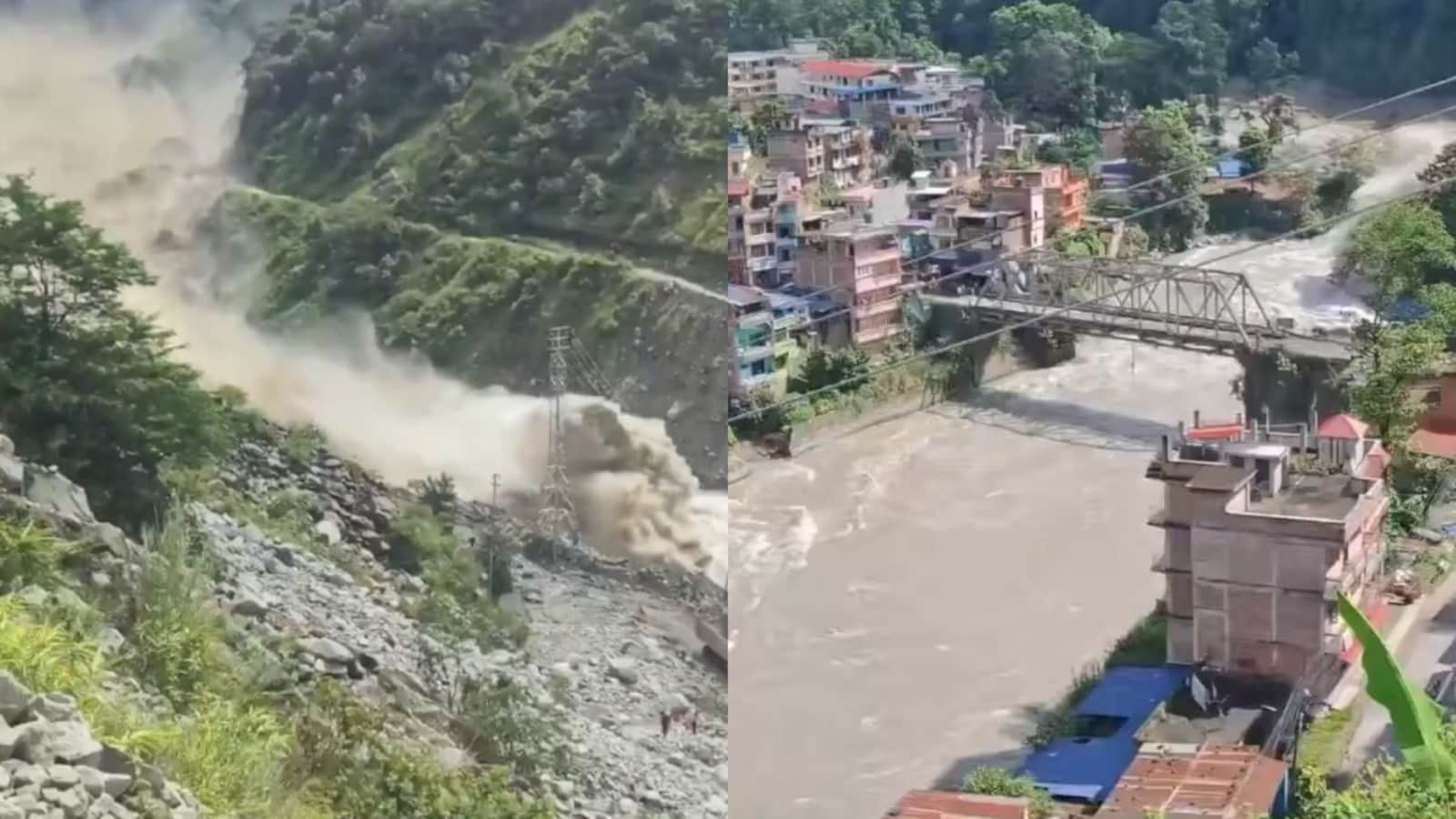
A huge rush of water and rocks struck Nepal’s Bhotekashi valley on August 26.
It destroyed homes, power stations and a bridge.
The article says similar dangerous weather has recently affected parts of China.
It connects these events to a warming planet and slow progress on global development goals.
Warning systems can help people escape, but they cannot stop glaciers from breaking or temperatures from rising.
The writer says countries must also reduce the activities that damage nature.
Regenerative development means helping forests, rivers and communities become healthier rather than only repairing damage.
The article suggests India’s ideas about shared responsibility and caring for nature could help guide this work.

A sudden flood of water and rock swept through Nepal’s Bhotekashi valley on August 26, destroying villages, hydropower stations and a bridge.
The article links the Rasuwa disaster with landslides, tornadoes and extreme heat reported across China.
It says only about one-third of Sustainable Development Goal targets are on track as 2030 approaches.
The writer argues that early-warning systems and stronger infrastructure cannot address the deeper causes of climate-related disasters alone.
Regenerative development is presented as a broader alternative focused on restoring ecosystems, community stewardship and more responsible consumption.
- Who
- Villagers, rescue teams and communities in Nepal were affected; the article also discusses China, India and countries pursuing the Sustainable Development Goals.
- What
- A destructive flood and landslide disaster in Nepal prompted an argument for regenerative development and deeper climate action.
- Where
- The main disaster occurred in Nepal’s Bhotekashi valley in Rasuwa, near Tibet; related events were reported in Guangxi, Hubei and Xinjiang in China.
- When
- The disaster occurred on the morning of August 26; the discussion looks toward the 2030 deadline for the Sustainable Development Goals.
- Why
- The article attributes the disaster and related extreme weather to a warming planet and argues that development based on extraction and consumerism has weakened ecological resilience.
Infrastructure and Remediation
Regeneration and Renewal
How to respond to disasters
Infrastructure and Remediation
Investment in early-warning systems, forecasting, stronger infrastructure, relocation and repairs is necessary to save lives and reduce immediate damage.
Regeneration and Renewal
Those measures are insufficient if they only treat floods and landslides as isolated hazards rather than addressing the conditions producing them.
Development model
Infrastructure and Remediation
Development can continue while societies improve defenses, strengthen reservoirs and adapt infrastructure to rising risks.
Regeneration and Renewal
The article argues that extraction and consumerism must give way to a relationship with nature focused on restoring watersheds, forests and community resilience.
Role of communities
Infrastructure and Remediation
Technical systems and government-built infrastructure are central to detecting and managing environmental threats.
Regeneration and Renewal
Community stewardship and local knowledge are also essential because residents understand their mountains and can participate directly in protecting them.
Key facts
- Main disaster
- A wall of water and rock moved down Nepal’s Bhotekashi valley.
- Reported damage
- Villages disappeared, hydropower stations were flattened and a bridge was destroyed.
- Related Chinese events
- The article cites landslides in Guangxi, tornadoes in Hubei and temperatures reaching 50 degrees Celsius in Xinjiang in June.
- Sustainable Development Goals
- Barely a third of targets are described as being on track, while nearly half are progressing too slowly and some have reversed since 2015.
- Warning systems
- A warning system created through cooperation between Nepal and China was described as being outrun by the speed of the collapse.
- Proposed approach
- Regenerative development would combine ecosystem restoration, community stewardship and restraint in construction on fragile slopes.
- Indian policy references
- The article cites Mission LiFE, Vasudhaiva Kutumbakam, Antyodaya and Janbhagidhari as relevant ideas or policy principles.
Sources
Related news

Environmentalists Link Nepal Flash Floods to Himalayan Development Practices
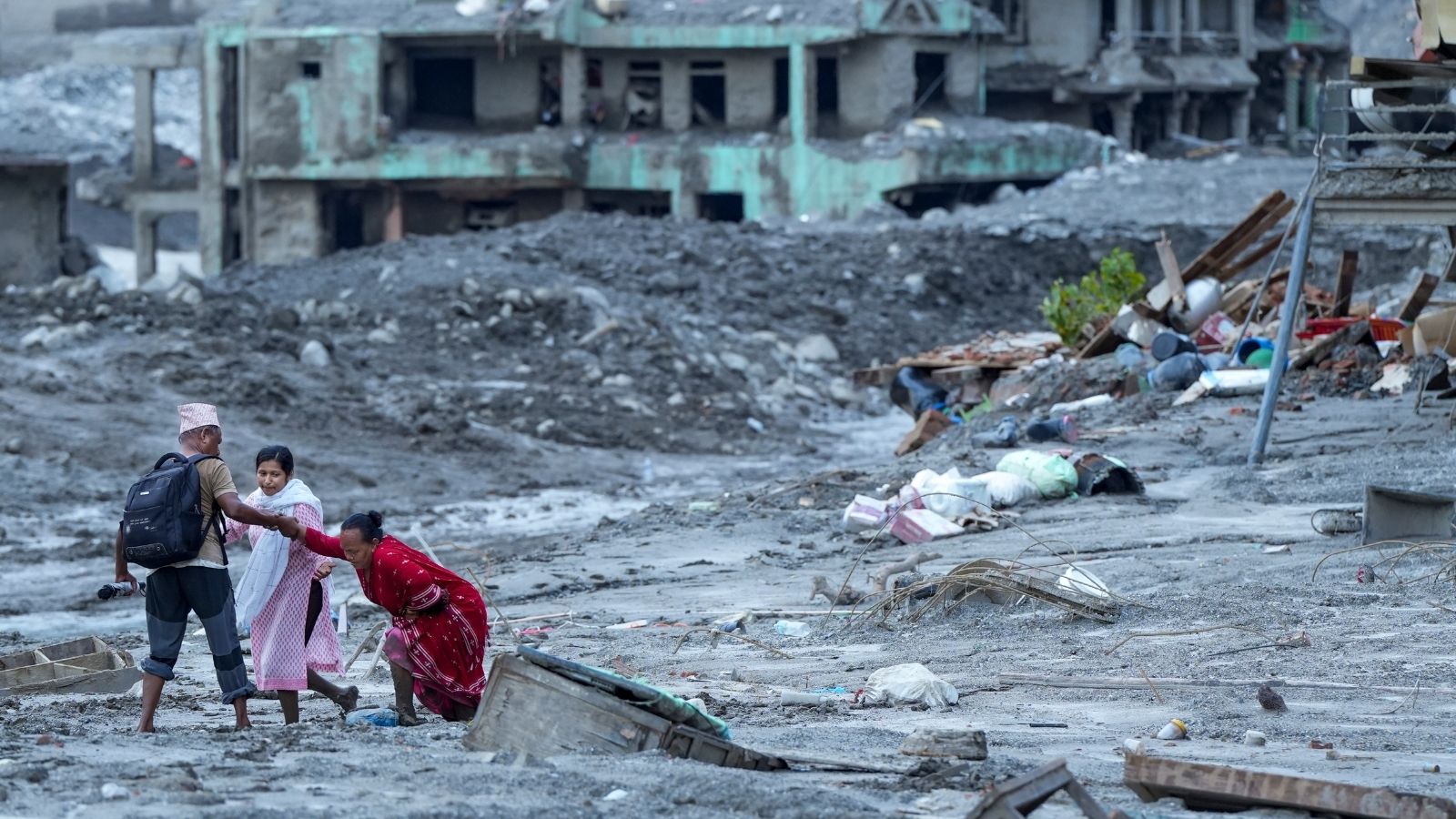
Nepal's Rasuwa Floods Expose Risks of Himalayan Infrastructure
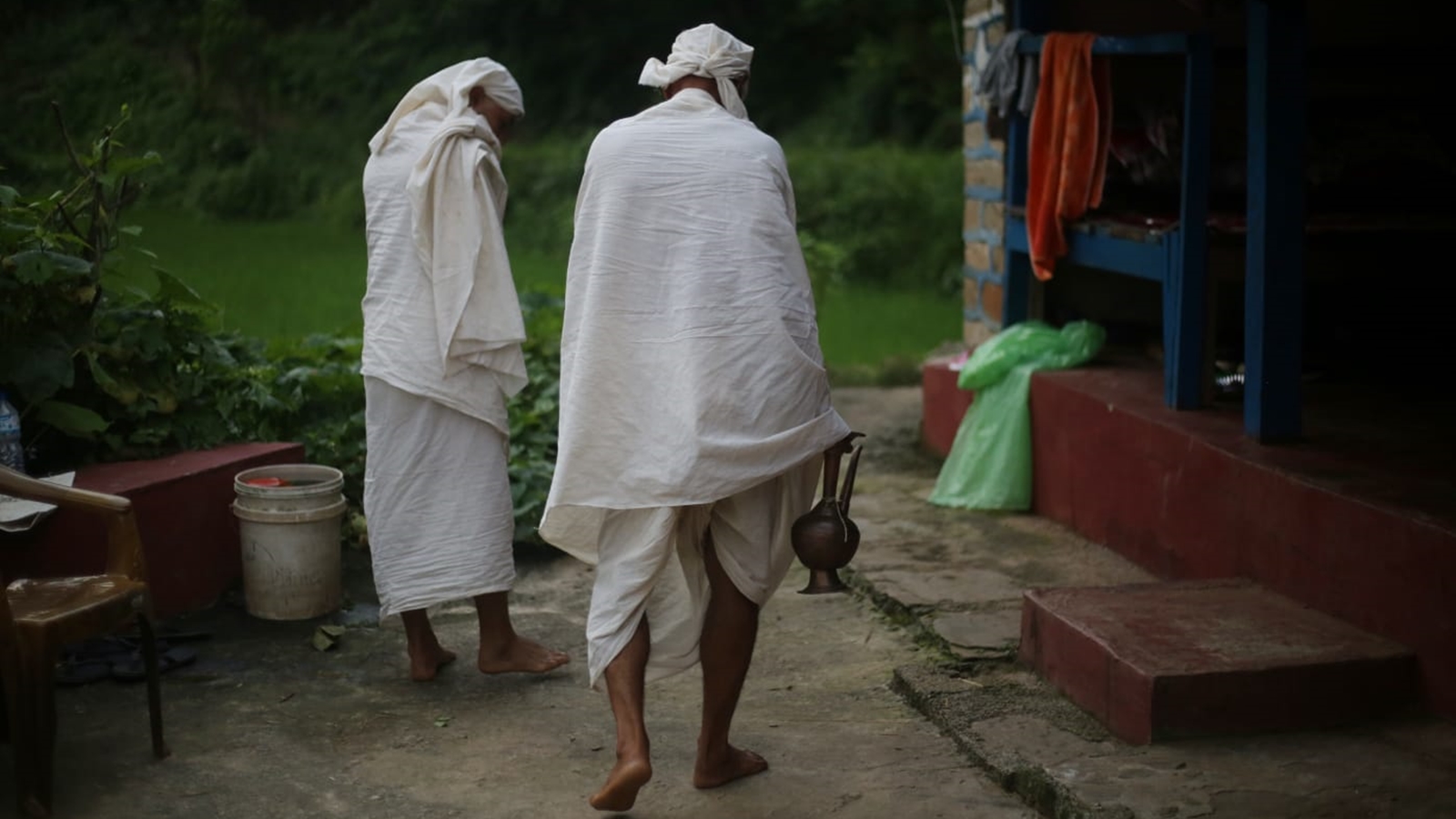
Nepal Faces Climate Disaster Costs It Barely Helped Create
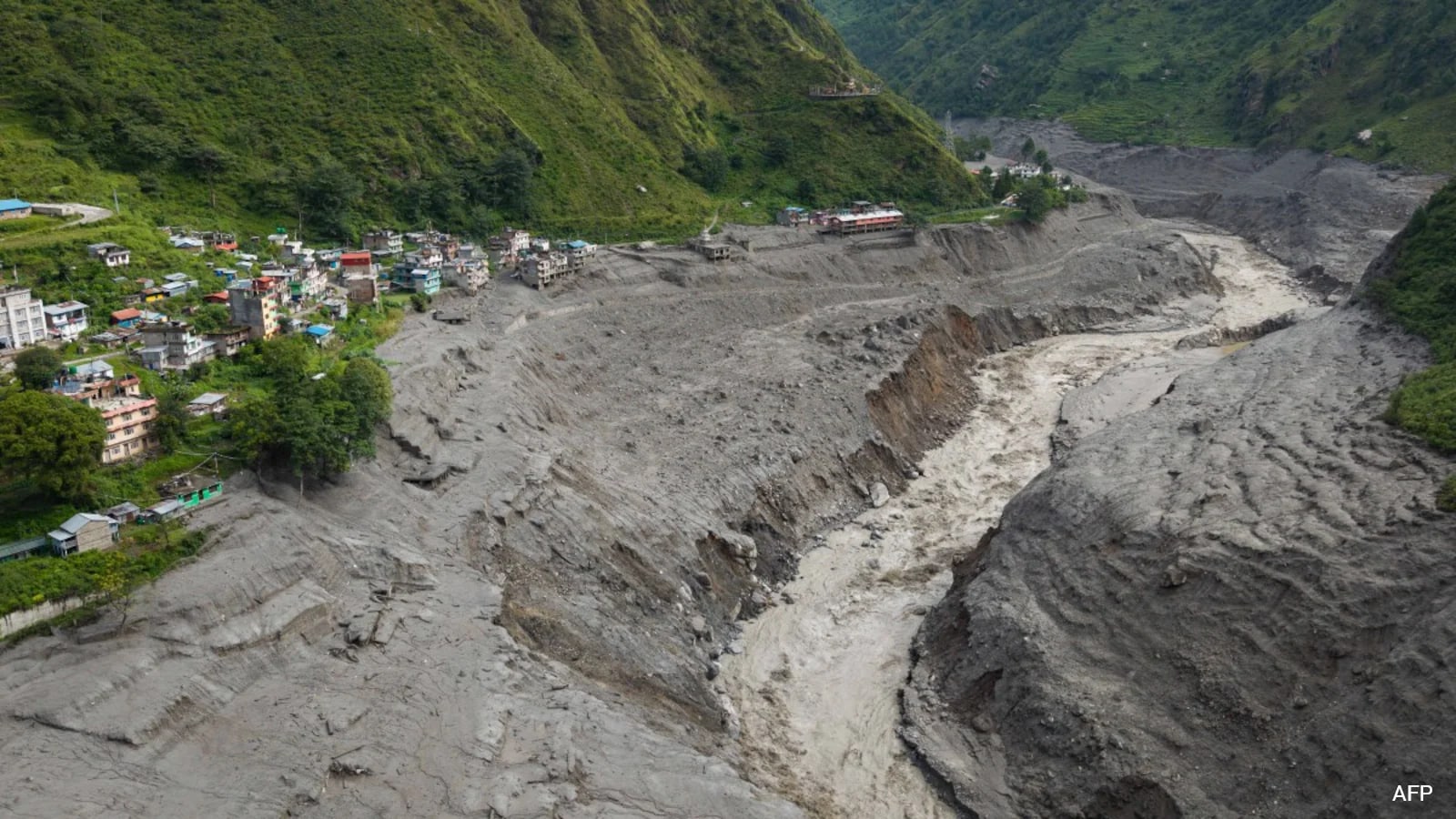
Nepal Floods Expose Climate Inequality and Himalayan Vulnerability
Nepal Flood Highlights Risks of Construction Along Himalayan Rivers

Readers Debate Messi, AI, Environment, Sports and Tamil Nadu Governance

Spirit of Tibet Festival Preserves Culture Through Art and Memory
45-Day-Old Baby Found Alive After Nepal Flood Rescue

Nepali Foreman Rescued After Nine Days in Hydropower Tunnel