2 hrs ago
Mumbai Spent Rs 573 Crore, Yet Clean-Air Ranking Slipped Again
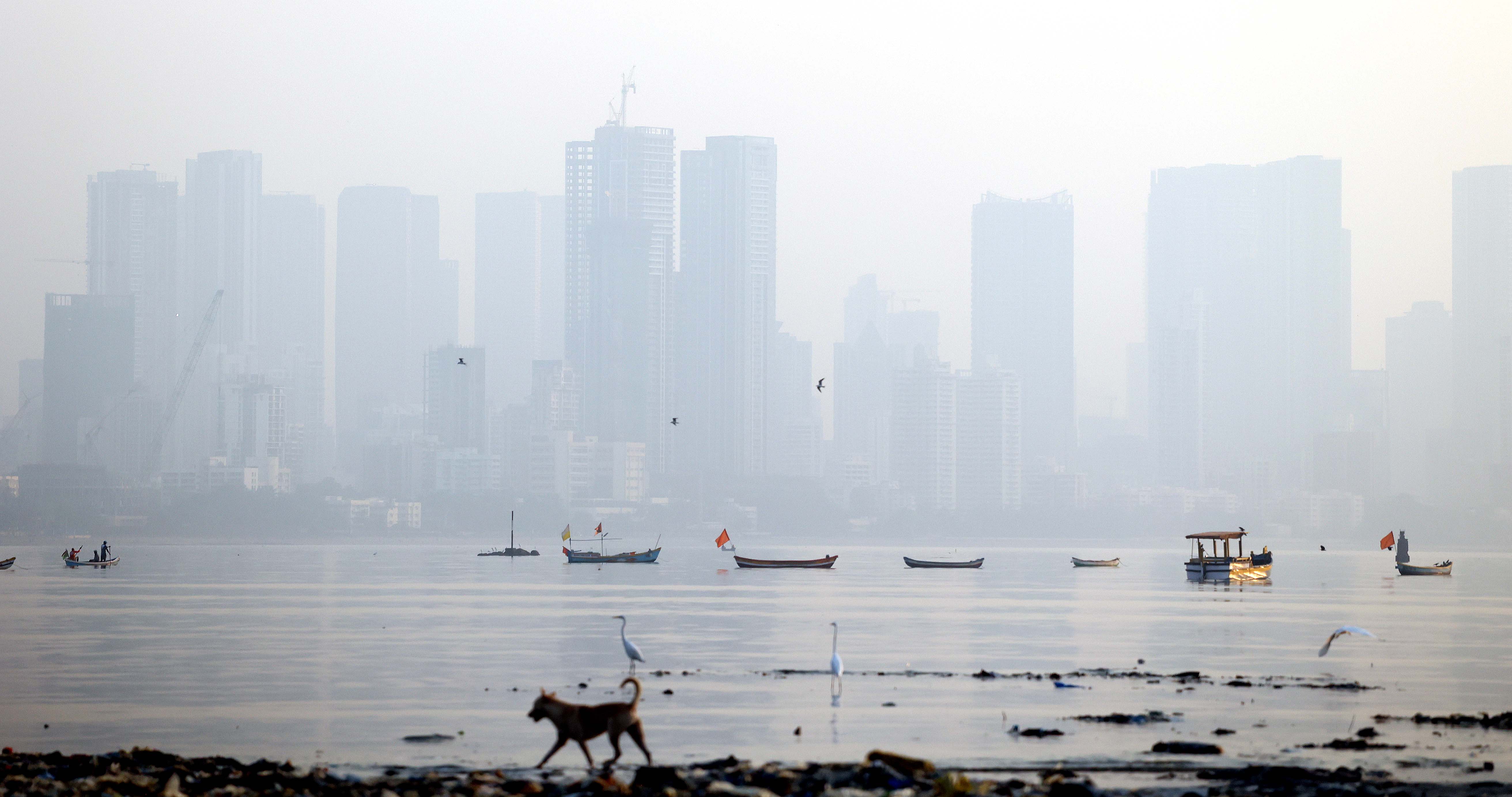
Mumbai received money to help make its air cleaner.
Much of that money was set aside to buy electric buses.
However, many of the buses have not arrived yet, and the city’s bus fleet has become smaller.
Mumbai also fell to 28th place in a national clean-air survey.
Officials said reducing pollution from vehicles was important while major construction projects were under way.
They said construction had also created more dust.
A scientist said more money should have been used to find pollution hotspots and create local solutions.
The Union environment ministry said the money did not have to be spent mainly on electric buses.
It said funds could have been redirected if the buses could not be acquired.

The BMC used Rs 573.88 crore, or 92.54 per cent, of Rs 620.11 crore received under the 15th Finance Commission air-quality grant.
Nearly Rs 493.37 crore was allocated to BEST for 2,100 electric buses, but about half the order remains undelivered.
Mumbai ranked 28th among 48 major metropolitan cities in the 2026 national clean air survey, down from 25th in 2025.
The city’s BEST fleet fell from 3,546 buses in 2021-22 to 2,532 in 2026-27.
Officials defended the focus on electric buses, while an atmospheric scientist said more funding should have supported pollution research and hotspot identification.
- Who
- The Brihanmumbai Municipal Corporation, BEST, Union environment officials, a civic official and atmospheric scientist Dr Gufran Beig.
- What
- Mumbai spent Rs 573.88 crore from an air-quality grant, with most of the funding allocated for electric buses, while its clean-air ranking declined.
- Where
- Mumbai, Maharashtra.
- When
- The spending covered funds received between 2020-21 and 2022-23; utilisation figures were reported through January, and the latest survey results were announced earlier this month.
- Why
- The BMC said it prioritised reducing vehicular emissions during major infrastructure construction, while critics said more funding should have targeted construction dust, road dust, waste burning and local pollution hotspots.
Civic Administration
Environmental Critics
How air-quality funds should be used
Civic Administration
The BMC prioritised electric buses to reduce vehicular emissions while major infrastructure projects increased dust displacement.
Environmental Critics
Dr Gufran Beig said a substantial share of the funding should instead have supported research, pollution-hotspot identification and localised solutions.
Role of electric buses
Civic Administration
The civic administration treated electric buses as a key way to address vehicle pollution, and allocated Rs 493.37 crore for their acquisition.
Environmental Critics
The Union environment ministry said no rule required a specific share of the grant to be spent on electric vehicles and suggested funds could be redirected if buses could not be acquired.
Main pollution sources
Civic Administration
The administration emphasised vehicular emissions during a period of extensive construction activity.
Environmental Critics
The BMC’s own air-pollution plan identified construction and demolition dust, road dust and open burning of solid waste as the three leading contributors.
Key facts
- Air-quality grant received
- Rs 620.11 crore under the 15th Finance Commission grant
- Amount utilised
- Rs 573.88 crore, or 92.54 per cent
- Electric-bus allocation
- Rs 493.37 crore, or 79.56 per cent, allocated to BEST
- Bus order
- 2,100 electric buses ordered in March 2022
- Outstanding deliveries
- Around half of the electric-bus consignment remains undelivered
- 2026 clean-air ranking
- 28th among 48 major metropolitan cities
- BEST fleet change
- Fleet declined from 3,546 buses in 2021-22 to 2,532 in 2026-27
Quotes
A senior bureaucrat in the Union Ministry of Environment, Forest and Climate Change
Union environment ministry bureaucrat commenting on the grant’s permitted uses
“To scale up the fleet of electric vehicles, there is already a transport ministry present at the union and state levels. Then why such a substantial proportion of air quality funds are being allocated for E buses procurement.”
 indianexpress.com
“In the past four years, several infrastructure works have been ongoing such as the Navi Mumbai Airport and Coastal Road. These activities maximised dust displacement, leading to dip in AQI.”
indianexpress.com
Sources
Related news

Pune Air Action Hub Proposes Data-Based Use Of ₹105 Crore
Lucknow Tops 2026 Clean-Air Survey; Delhi Ranks 21st
Madhya Pradesh Cities Rank Among India’s Clean-Air Leaders
Mumbai Plans 15-Day Pollution Campaign Ahead of Winter
Karnataka Cabinet Clears 4,500 Electric Buses for Bengaluru
BMC Seeks Alternative Financing Amid ₹2 Lakh Crore Liabilities
Banks to Open Sunday Before Three-Day Nationwide Strike
India Begins Preparations for Union Budget 2027-28 Next Month
Centre Advances September Salaries Amid Proposed Bank Strike

India Cuts Edible Oil Duties Ahead of Festive Season