

3 hrs ago
NEET Debate Expands From Exam Standards to Federal Control

NEET is an exam used to help students enter medical colleges in India.
This year, allegations of a paper leak led to the exam being cancelled and students protested in Delhi.
The protests made people question who should run the exam.
Some people think each state should conduct its own medical entrance test.
They believe this could keep local problems from becoming national crises.
Others think one national exam is needed so all students meet a basic common standard.
Running one test for 22 lakh students across hundreds of cities is very difficult.
The debate is also about how India’s central and state governments should share responsibility for education.

NEET’s cancellation after alleged paper leaks triggered large student protests at Delhi’s Jantar Mantar in June and July.
The debate centers on whether states should conduct medical entrance exams or whether India needs one national standard.
A nationwide NEET exam involved 22 lakh students, 5,432 centres and 551 cities, creating major logistical and security challenges.
Officials warned that a local paper leak or irregularity can undermine the entire examination and provoke nationwide anger.
NEET was first proposed in 2010, first held in 2013, and later advanced by the BJP-led Centre despite opposition from states including Tamil Nadu.
- Who
- Medical students, state governments, the Union government, education officials and political leaders are involved in the debate.
- What
- The debate concerns whether NEET should remain a single national medical entrance examination or be replaced by state-run exams.
- Where
- The protests took place at Delhi’s Jantar Mantar, while the examination covered 551 cities across India.
- When
- The protests occurred in June and July; the main exam was held on May 3 and a retest was planned for June 21.
- Why
- The debate was reignited by allegations of a paper leak, the exam’s cancellation and concerns about national standards, administration and federal authority.
State-led medical admissions
A common national examination
Who should conduct the exams?
State-led medical admissions
States should be allowed to conduct entrance exams for medical colleges established by them and private colleges in their regions.
A common national examination
A single national examination should qualify students for admission to medical colleges across India.
Standards and fairness
State-led medical admissions
State-run exams could reflect regional conditions and prevent a problem in one location from disrupting students nationwide.
A common national examination
One examination can establish a basic minimum national standard for medical admissions.
Administration and accountability
State-led medical admissions
State ownership could keep responsibility and student anger closer to the place where an irregularity occurs, potentially reducing national law-and-order tensions.
A common national examination
Despite the logistical difficulty of testing 22 lakh students across 551 cities, a national exam is manageable and avoids multiple admission systems.
Key facts
- Exam affected
- National Eligibility cum Entrance Test (NEET)
- Main exam date
- May 3
- Students involved
- 22 lakh
- Examination centres
- 5,432
- Cities covered
- 551
- Retest date mentioned
- June 21
- Protest location
- Jantar Mantar, Delhi
Quotes
Senior police officer
A senior police officer discussing the relationship between NEET administration and the Delhi protests.
“Had it not been for NEET… if only states were the owners of the medical exams and admissions… the protests would not have happened in the national capital.”
 indianexpress.com
“This might be the case in your state, not in mine.”
indianexpress.com
Sources
Related news
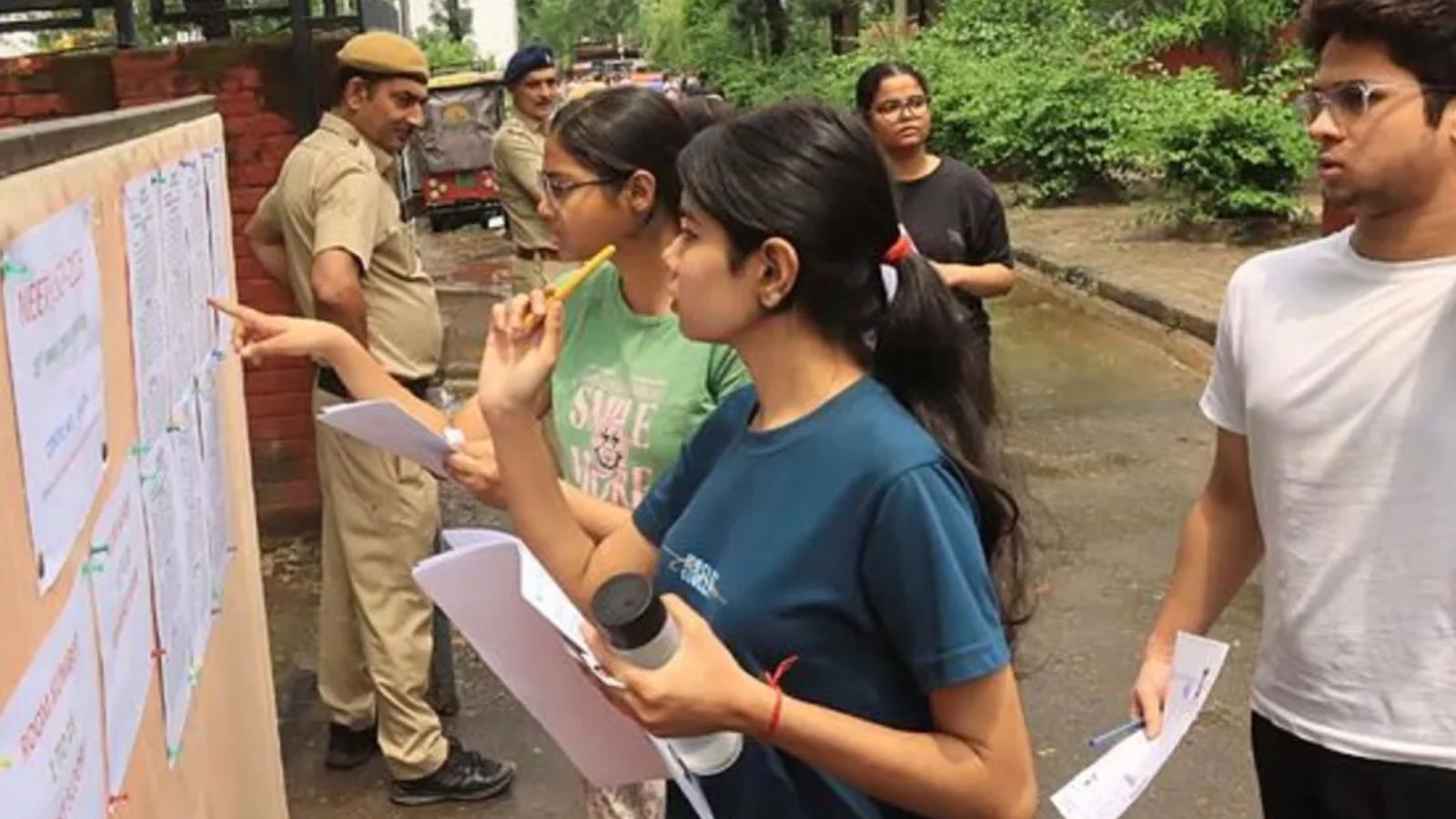
Why States Opposed NEET Long Before NTA Controversies

Experts Split Over Whether NTA Should Be Reformed or Scrapped

Exam Leaks Expose India’s Deeper Education and Jobs Crisis
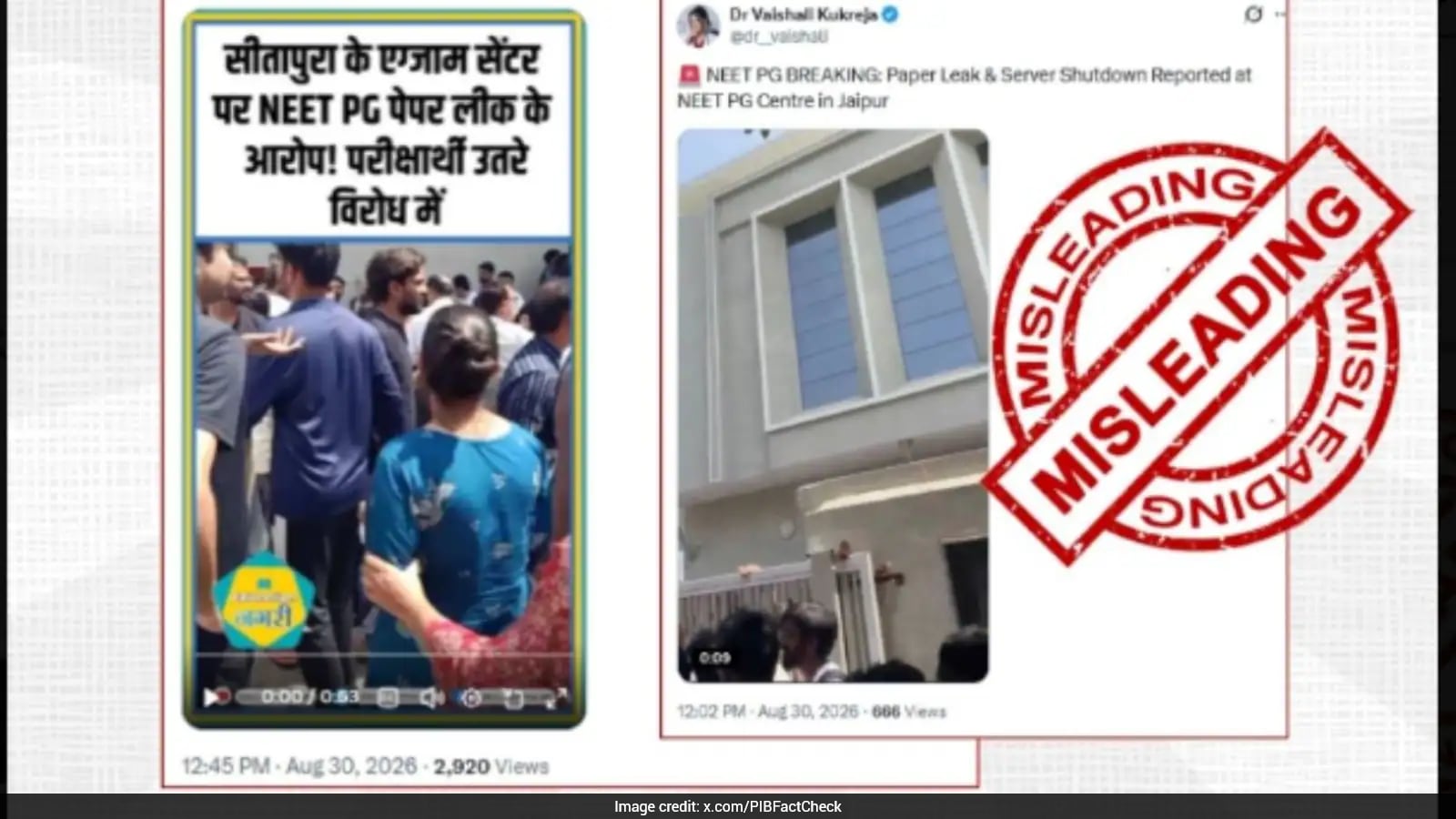
PIB Rejects Jaipur NEET PG Paper Leak Claims
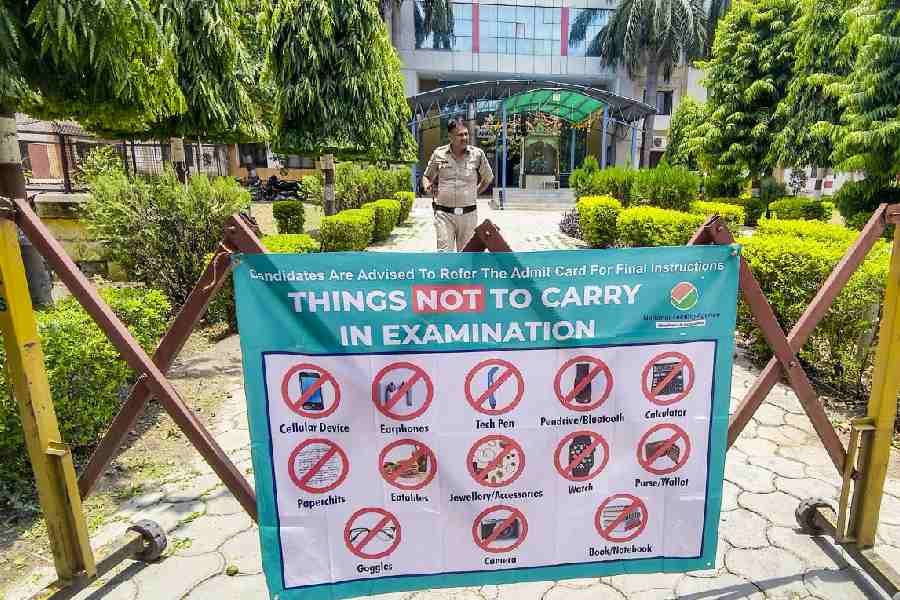
Power, Technical Glitches Disrupt NEET-PG Exam in Jaipur
NEET-PG 2026 Conducted Nationwide Amid Robust Security, Jaipur Retest Set

Delhi Commission Awards Woman Rs 1 Lakh Over Missing CCTV

Three-Foot Ganesh Baraiya Becomes Government Doctor After Legal Battle

High Court Restores 2013 MBBS Admission, Orders Degree Issuance
