

1 hr ago
Why States Opposed NEET Long Before NTA Controversies
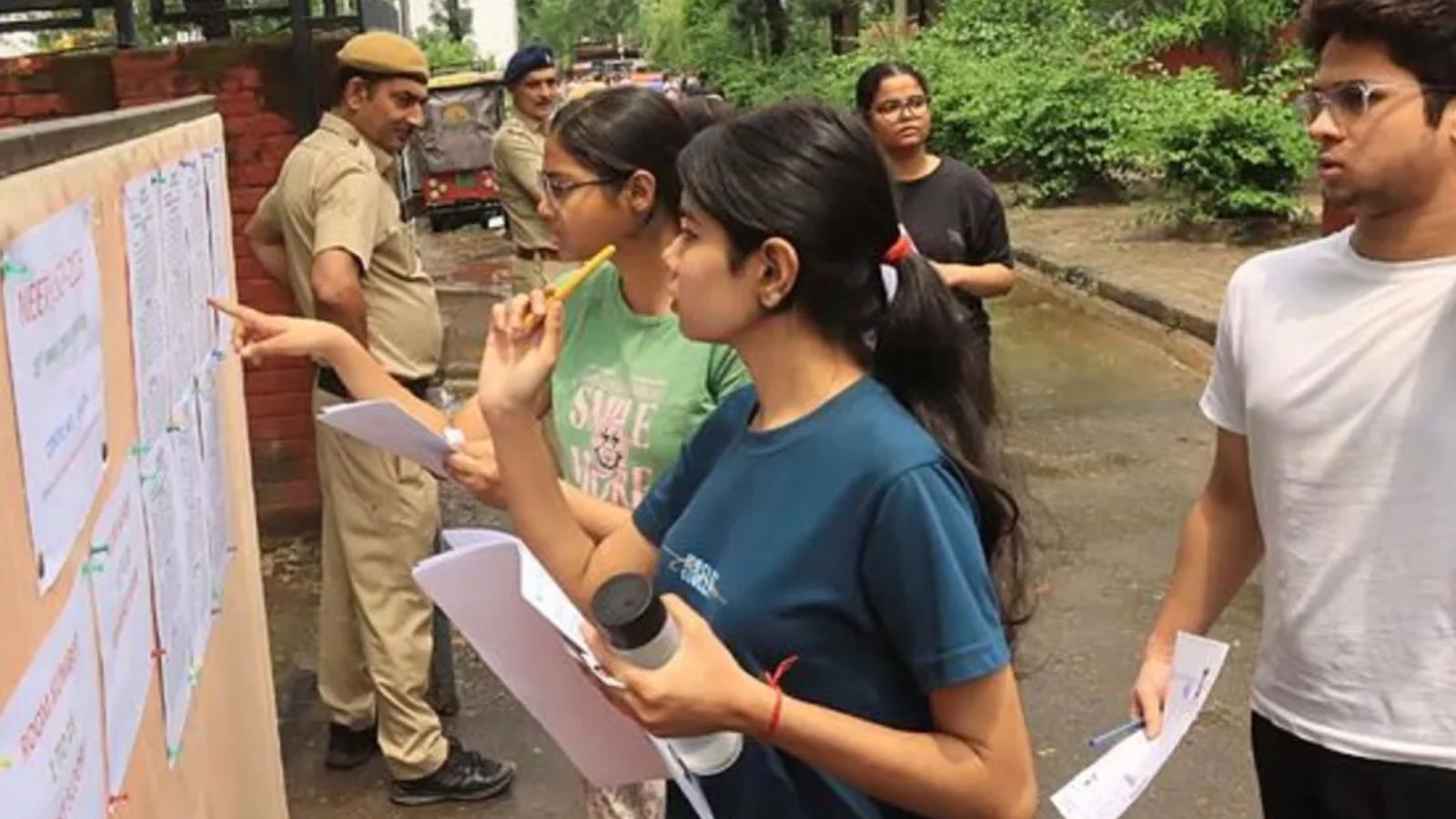
NEET is a common test used for entry to medical colleges in India.
Some states opposed it before the agency that conducts it today even existed.
The idea of a national medical test was first proposed in 2010.
The first NEET was held in 2013, but the Supreme Court set aside the system that year.
The common test was revived in 2016 and became the usual admission route in 2017.
Tamil Nadu says students from different school systems may not have equal preparation for the test.
Critics also worry that coaching, language and central control can make admissions less fair for some students.
A government task force is now considering whether examination reforms should also address these older concerns about centralised admissions.

Opposition to NEET began before the National Testing Agency was established in 2018.
Tamil Nadu’s education rights body wants the NTA and centralised undergraduate entrance tests abolished.
The organisation says admissions should rely on board marks, with Tamil Nadu’s normalisation process used for all-India quota seats.
Critics cite differences in school boards and syllabi, unequal access to coaching, language concerns and state control.
NEET was proposed in 2010, first held in 2013, revived by the Supreme Court in 2016 and made the common route from 2017.
- Who
- The State Platform for Common School System–Tamil Nadu, Tamil Nadu and other states including Andhra Pradesh, Telangana and Karnataka.
- What
- The debate concerns whether NEET and other centralised undergraduate entrance tests should continue, and how they should be conducted.
- Where
- India, with Tamil Nadu as the most sustained opponent.
- When
- The national-test proposal dates to 2010; NEET was first held in 2013, revived in 2016 and became the common route from 2017. The current memorandum was submitted during the ongoing examination-reform exercise.
- Why
- Opponents cite school-board and syllabus differences, unequal access to coaching, language, state control, existing admission systems and social-justice concerns.
Arguments for a Common National Test
Arguments Against Centralised Admissions
Consistency and academic pressure
Arguments for a Common National Test
A common examination creates one national route for undergraduate medical admissions and was intended in part to reduce academic pressure on students.
Arguments Against Centralised Admissions
States argue that a single test may not fairly reflect students educated under different state boards and syllabi.
Access and preparation
Arguments for a Common National Test
A national test provides a common admission process across states rather than multiple entrance arrangements.
Arguments Against Centralised Admissions
Opponents say access to coaching and preparation for a national-level syllabus can disadvantage rural students and students from state-board backgrounds.
Governance and state authority
Arguments for a Common National Test
The NEET framework centralises eligibility and admissions through a common examination system.
Arguments Against Centralised Admissions
Tamil Nadu and other states have raised concerns about state control, language, existing admission systems and whether a central agency should control evaluation and admissions.
Key facts
- Early proposal
- The Medical Council of India first mentioned a national eligibility test in December 2010.
- First NEET
- The first NEET was held by the Central Board of Secondary Education in 2013.
- Supreme Court action
- The Supreme Court set aside the NEET framework in 2013 and revived the common examination process in 2016.
- NTA role
- The National Testing Agency was established in 2018 and began conducting NEET-UG in 2019.
- Tamil Nadu proposal
- The State Platform for Common School System–Tamil Nadu proposed using board marks and Tamil Nadu’s normalisation process for all-India quota seats.
- Task force
- The Centre’s High-Powered Task Force, headed by Nandan Nilekani, is examining examination conduct, security, design and governance.
Sources
Related news

Tamil Nadu Education Body Urges Centre to Abolish NTA

Vijay Raises NEET Exemption, Delimitation Safeguards At Southern Meet

Tagore blames AIADMK, BJP for Tamil Nadu's NEET crisis

Southern Leaders Press NEET, Delimitation, Water and Fiscal Demands
Panel Adopts NTA Reform Report After Statutory Status Dispute

Experts Split Over Whether NTA Should Be Reformed or Scrapped

Delhi Commission Awards Woman Rs 1 Lakh Over Missing CCTV

Three-Foot Ganesh Baraiya Becomes Government Doctor After Legal Battle

High Court Restores 2013 MBBS Admission, Orders Degree Issuance

Raghav Chadha flags 'cut money' nexus between doctors, diagnostic centres
