1 hr ago
How Families Can Support Parents’ Brain Health and Memory

Many older people sometimes forget a name, lose their glasses or repeat a story.
These things do not automatically mean they have Alzheimer’s disease.
Alzheimer’s is a disease that gradually harms memory and other thinking skills.
It can make everyday activities difficult over time.
Doctors say older adults can help protect their brain by moving their bodies, learning new things and spending time with other people.
Eating well and controlling health problems such as high blood pressure and diabetes may also lower risk.
Families should help parents stay independent instead of doing everything for them.
They should also notice meaningful changes, such as losing interest in favorite activities or friends.
If changes become concerning, a doctor can help determine what is happening.

Ordinary ageing can involve repeated stories, misplaced items and occasional word-finding difficulty, but Alzheimer’s disease is not a normal part of ageing.
Alzheimer’s is a progressive form of dementia that can eventually disrupt memory, language, judgment and daily activities.
Experts recommend exercise, strength training, social connection, learning, healthy eating and management of conditions such as hypertension and diabetes.
Families are encouraged to support independence and meaningful routines rather than overprotecting older adults.
World Alzheimer’s Day 2026 falls on September 21, with awareness efforts highlighting early recognition and brain-health habits.
- Who
- Older adults, their families and healthcare experts, including Dr Harjit Singh, Professor Prasun Chatterjee and Dr Pranav Mehta.
- What
- The article explains how families can support older adults’ brain health and recognize the difference between ordinary forgetfulness and possible Alzheimer’s-related decline.
- Where
- The guidance focuses on families in India, with experts cited from Delhi and Mumbai.
- When
- World Alzheimer’s Day 2026 is observed on September 21, during World Alzheimer’s Month.
- Why
- To encourage prevention, early recognition of concerning changes and healthy routines that may help maintain brain health.
Key facts
- World Alzheimer’s Day 2026
- September 21, 2026
- Global dementia population
- More than 55 million people worldwide
- Dementia in India
- More than 8.8 million people, or about 7.4% of those over 60
- Expected trend in India
- The number of people with dementia is expected to more than double by 2050
- Diagnosis in India
- About one in 10 Indians with dementia is diagnosed
- Recommended habits
- Exercise, strength training, social connection, learning, healthy eating and management of hypertension and diabetes
- Warning signs requiring attention
- Slurred speech, sudden imbalance, vision changes or an unusual headache
Quotes
Dr Harjit Singh
Geriatrician at Delhi’s Sitaram Bhartia Institute
“Eat together when you can, push for real exercise including strength training, nudge parents toward learning something new, and help them build an actual social circle rather than assuming living with family is company enough.”
 thebetterindia.com
“Healthy ageing requires intention, support and opportunity.”
thebetterindia.com
Sources
Related news

Researchers Develop Affordable Blood Test to Detect Alzheimer's Early

Neurologist Explains How Older Brains Keep Learning After 60
Neurosurgeon Shares 10 Habits For A Razor-Sharp Brain

Home Cooking Linked to Lower Dementia Risk After 65

Forgetfulness or ADHD? Doctors Explain When Adult Assessment Matters

Kotak Adds ITC, Mankind and Goa Agro to Model Portfolios

HYROX Beijing Incident Sparks Debate Over Racing, Safety and Limits

Apollo Jubilee Hills introduces scarless robotic gynaecological surgery
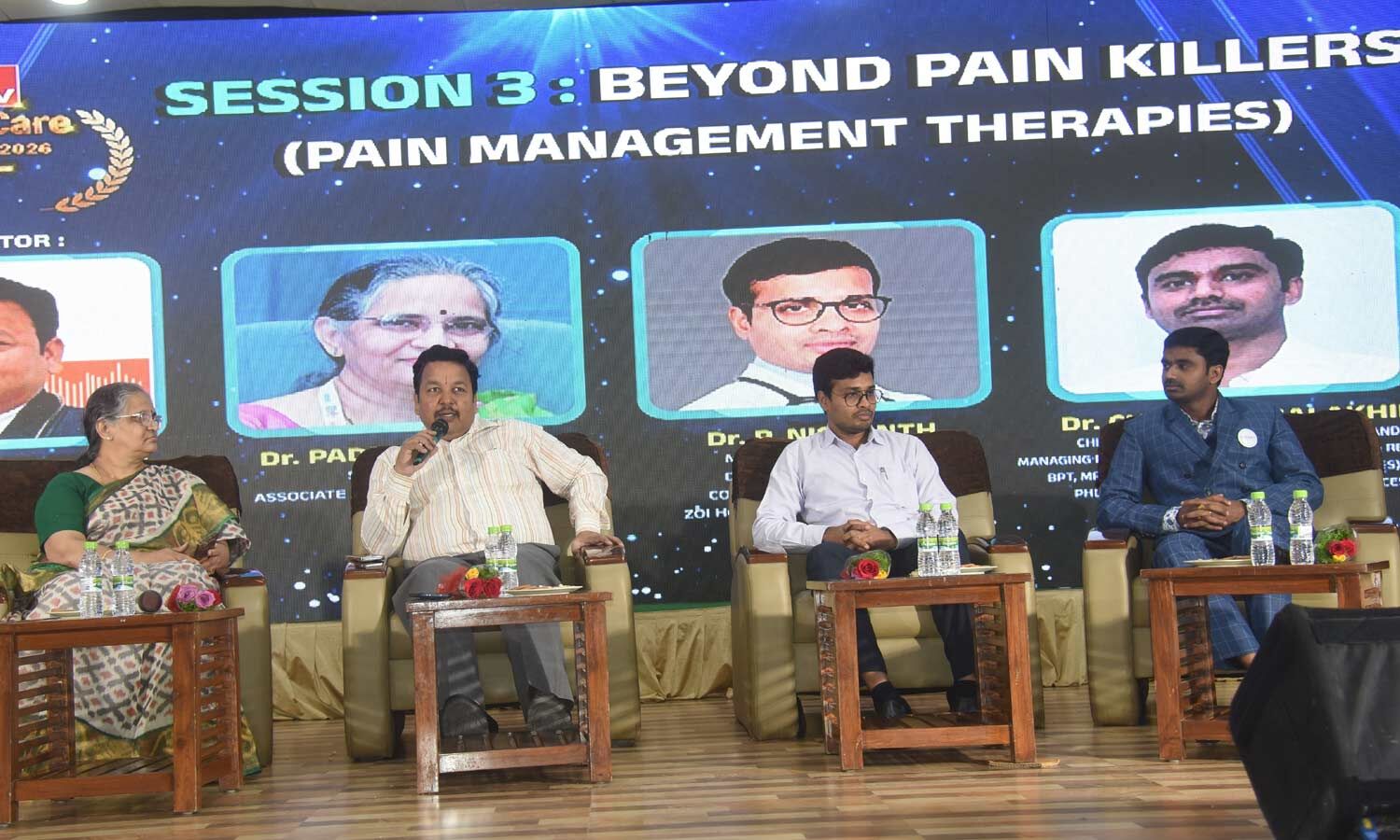
Experts Urge Rehabilitation Beyond Painkillers for Pain Management