5 days ago
Why the 26th Keeps Appearing in India’s Catastrophe Calendar

People have noticed that several disasters happened on the 26th day of a month.
A deadly flood in Nepal also happened on August 26, 2026, after a glacier collapsed.
This has made the date seem unlucky to some people.
Scientists say the disaster was caused by unstable mountains and glaciers in a warming Himalayas.
They do not find evidence that the number 26 causes disasters.
When many events happen over many years, some will share the same date by chance.
People may also remember disasters on the 26th more than disasters on other dates.
The pattern may feel meaningful, but it is most likely a coincidence shaped by memory and mathematics.

The 26th has been linked to major disasters in India, including the 2001 Gujarat earthquake, 2004 Indian Ocean tsunami, 2005 Mumbai floods and 2008 Mumbai attacks.
On August 26, 2026, flash floods struck Nepal’s Rasuwa region after a glacier collapse triggered a massive debris flow.
Hundreds have died and more than 1,000 people remain missing, including tourists and pilgrims heading toward the Kailash Mansarovar region.
Scientists attribute the Himalayan disaster to warming that destabilizes glaciers, frozen ground and mountain slopes—not to the date itself.
Researchers say the apparent pattern may reflect the law of truly large numbers and confirmation bias, while numerology offers an unsupported alternative explanation.
- Who
- Hundreds of people died and more than 1,000 remain missing after the Nepal disaster; scientists, coincidence researchers and numerologists offer different explanations for the date’s reputation.
- What
- A glacier collapse caused a massive debris flow and flash floods in Nepal, renewing attention on disasters associated with the 26th.
- Where
- Nepal’s Rasuwa region near the Tibet border and several locations in India, including Gujarat, Mumbai, Nashik, Guwahati and Ahmedabad.
- When
- The latest disaster occurred on August 26, 2026; other cited incidents occurred between 2001 and 2008.
- Why
- Scientists link the Nepal disaster to warming and unstable Himalayan terrain, while the broader 26th pattern is explained by coincidence, large numbers and confirmation bias.
Scientific and Statistical Explanation
Numerological Interpretation
Cause of the Nepal disaster
Scientific and Statistical Explanation
Scientists attribute the flash floods to glacier instability, warming conditions and dangerous Himalayan terrain.
Numerological Interpretation
Numerology does not provide a scientific explanation for the flood, but believers may view the date as evidence of an unlucky number.
Meaning of the 26th
Scientific and Statistical Explanation
Researchers say repeated disasters on the date can occur by chance when millions of events take place over decades, with confirmation bias making the pattern more memorable.
Numerological Interpretation
Some numerological traditions reduce 26 to 8 and associate that number with hardship, upheaval and destruction.
Evidence of a curse
Scientific and Statistical Explanation
There is no scientific evidence that the number 26 influences earthquakes, floods, tsunamis or human violence; many tragedies occur on other dates.
Numerological Interpretation
Supporters of the pattern point to multiple Indian disasters occurring on the 26th, though this is based on perceived coincidence rather than demonstrated causation.
Key facts
- Latest disaster
- Flash floods struck Nepal’s Rasuwa region on August 26, 2026.
- Trigger
- A glacier collapse caused a massive debris flow.
- Human toll
- Hundreds have died and more than 1,000 people remain missing.
- People affected
- Those missing include tourists and pilgrims traveling toward the Kailash Mansarovar region.
- Rescue obstacles
- Damaged roads, difficult Himalayan terrain and possible debris-dammed-lake flooding have complicated rescue efforts.
- Scientific explanation
- Experts say warming is destabilizing glaciers, frozen ground and mountain slopes.
- Coincidence theory
- The law of truly large numbers and confirmation bias may explain why the date appears unusually prominent.
Sources
Related news
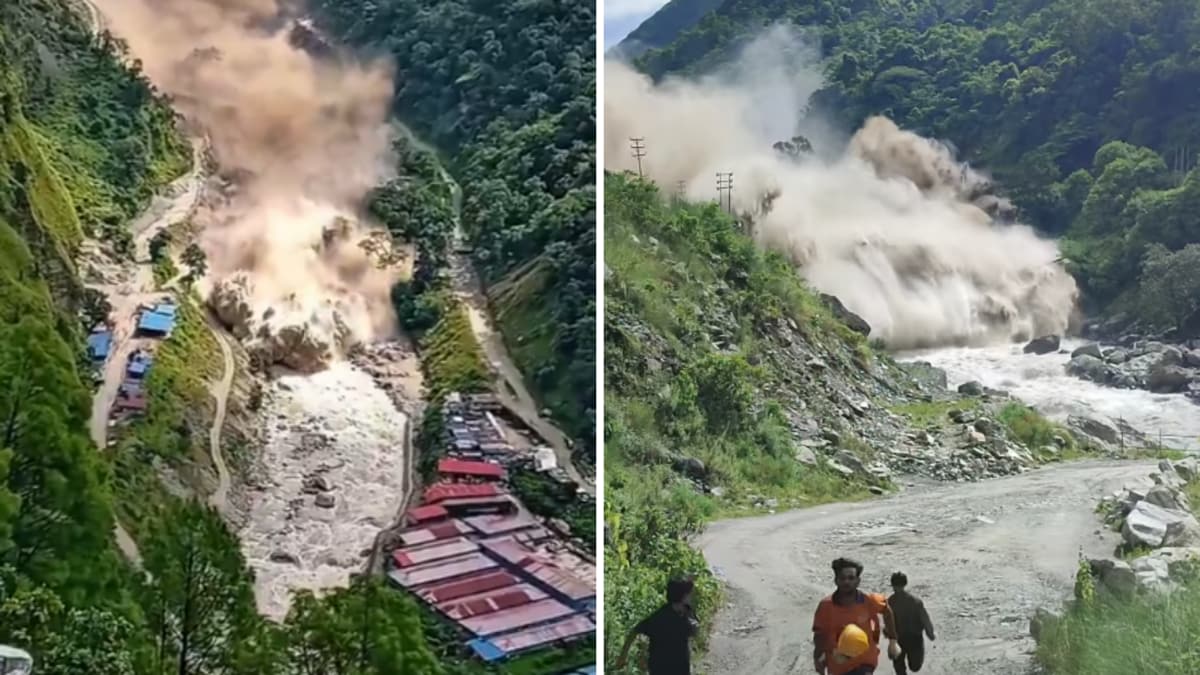
Disasters on the 26th Fuel Online Unlucky-Date Debate

Nepal Glacier Collapse Exposes Rising Himalayan Flash-Flood Risks
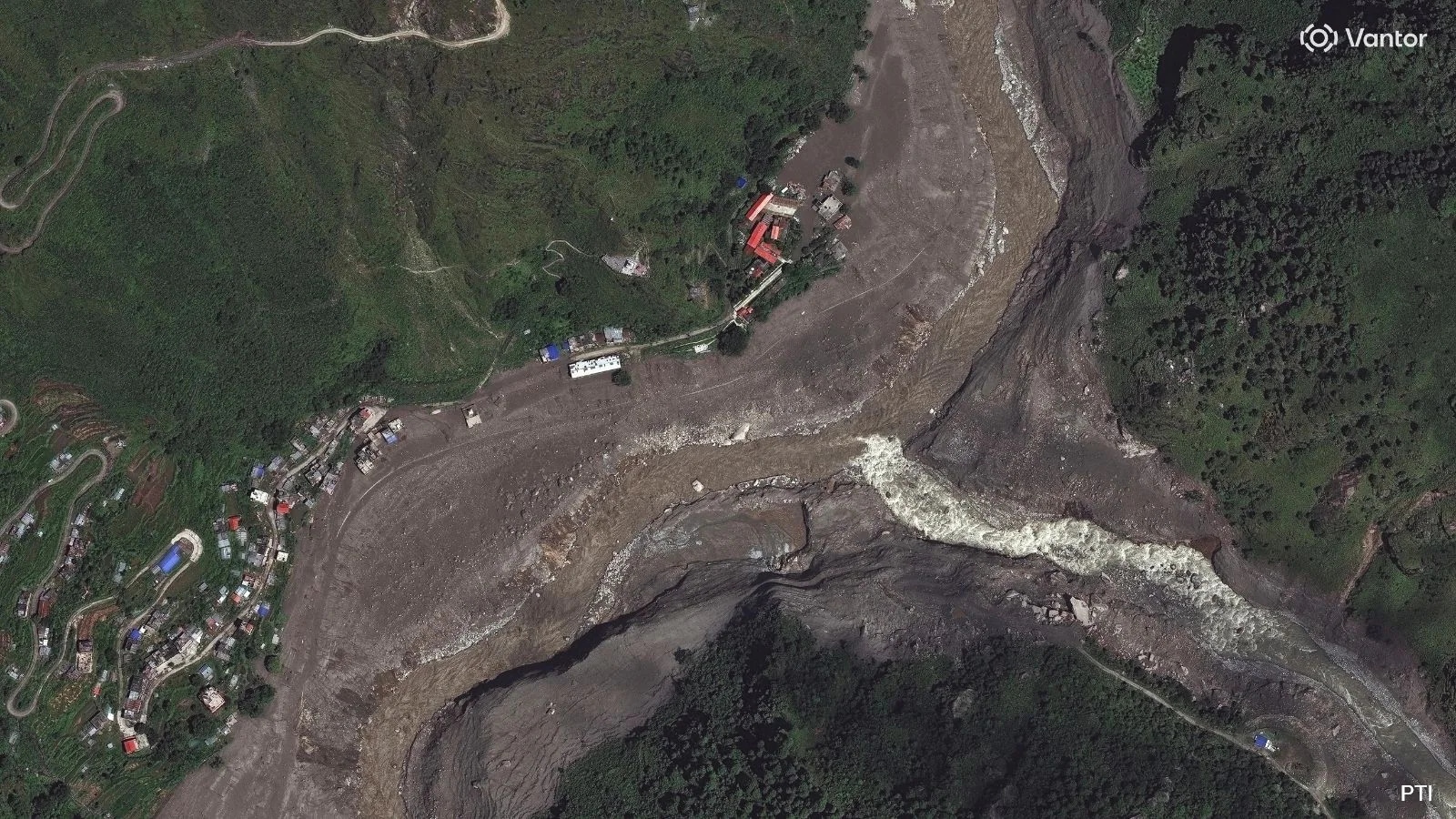
Climate Change, Landslides and Glacial Debris Behind Himalayan Floods
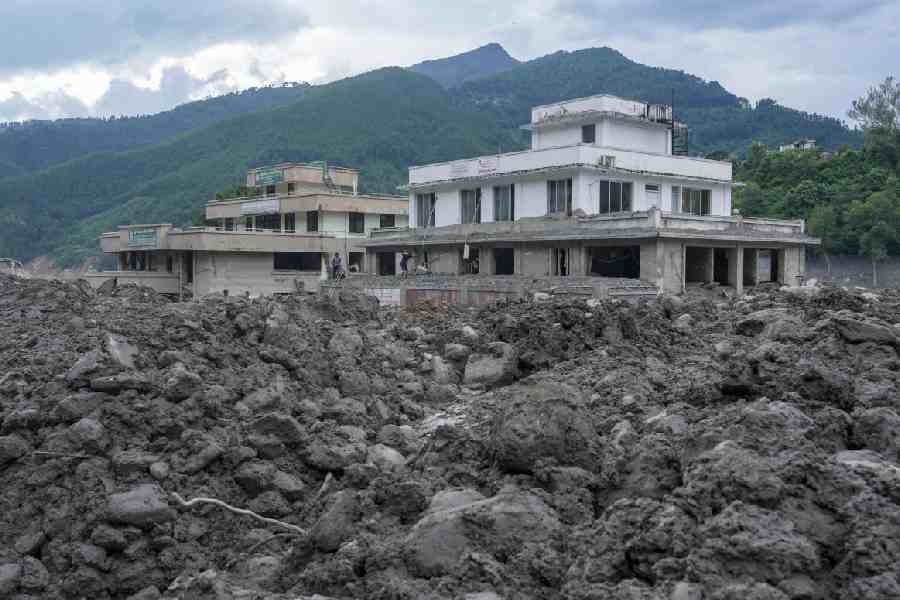
Melting Glaciers Push Nepal Toward Its Adaptation Threshold
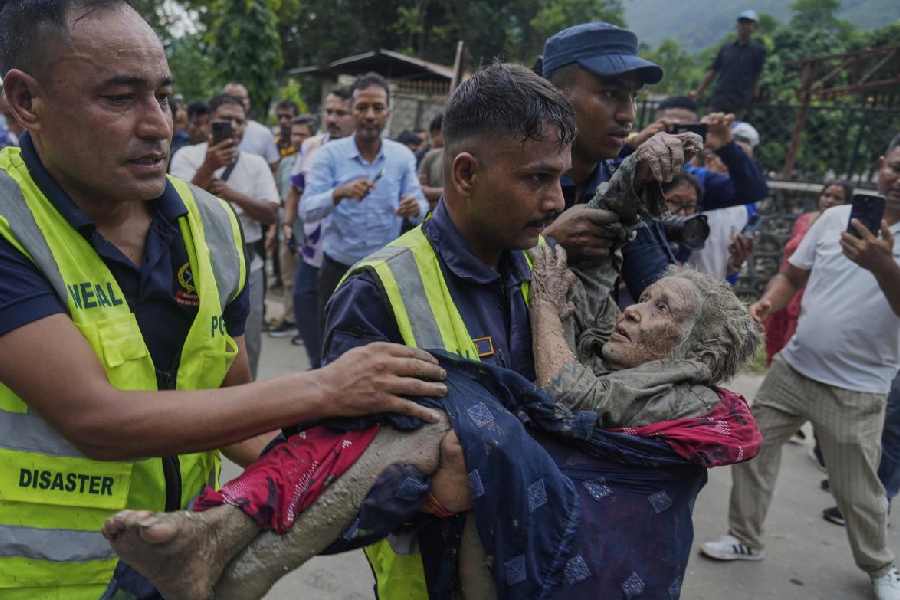
Nepal Avalanche Floods Echo Chamoli With Greater Downstream Impact