1 week ago
Health Ministry Reviews Preparedness as H1N1 Infections Surge
Flu cases are increasing in several parts of India, including Delhi.
A health ministry review found that H1N1 caused about 70% of recently reported respiratory infections in an ICMR laboratory network.
H1N1 levels have been high for several weeks but started falling over the last two weeks.
Health officials checked whether hospitals had enough beds, critical-care facilities and supplies.
They asked people to cover coughs and sneezes and wash their hands often.
Children, older adults and pregnant women have a higher risk of serious illness.
Some people can develop pneumonia or trouble breathing after influenza.
People with severe, worsening or persistent symptoms should contact a doctor.
Antibiotics do not treat viruses, while doctors may decide whether antiviral treatment is needed.

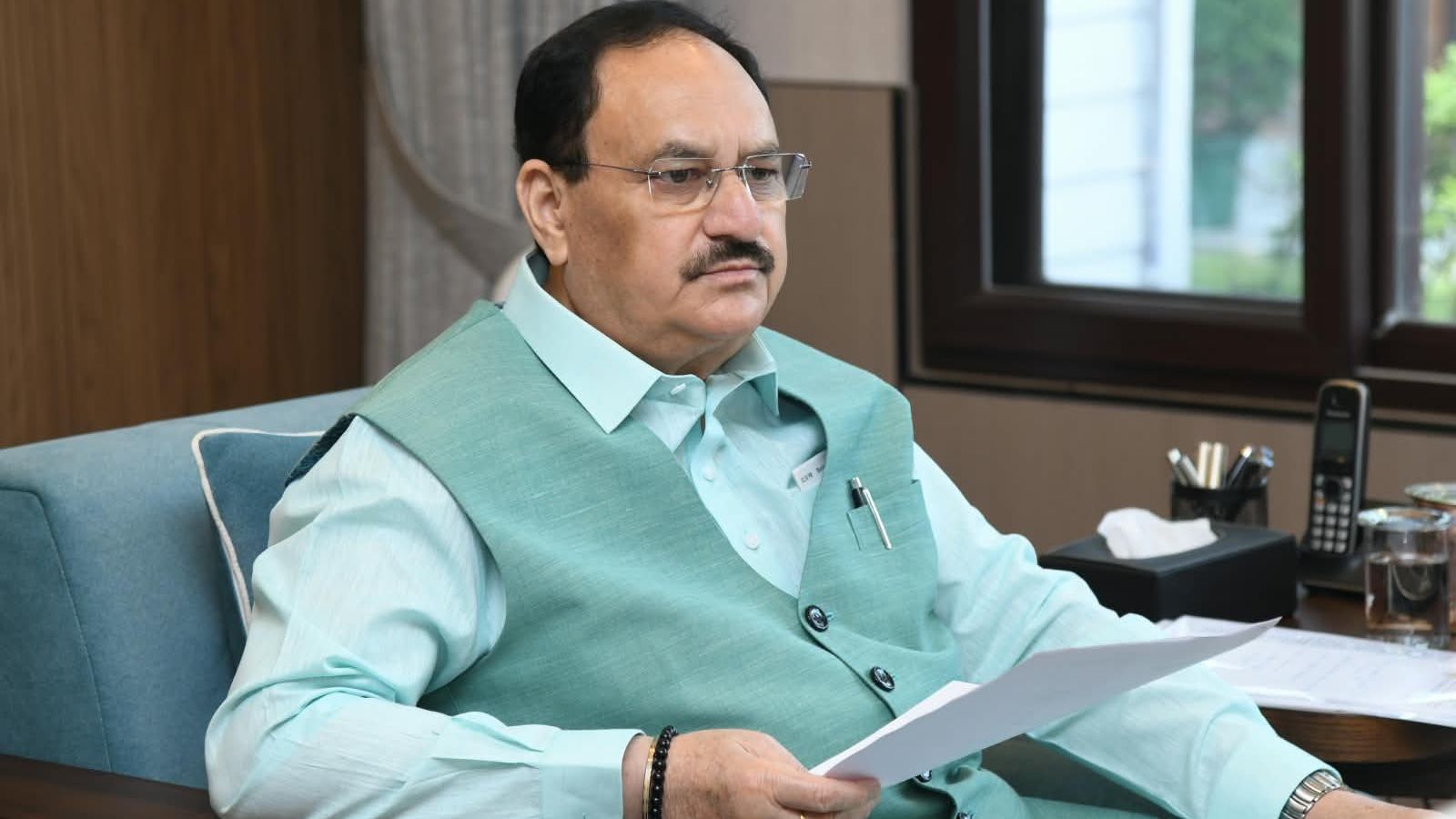
Union Health Minister JP Nadda reviewed influenza trends and healthcare preparedness with Delhi officials.
ICMR surveillance found H1N1 caused about 70% of respiratory infections reported during the previous week.
H1N1 has circulated at high levels for four to five weeks, although cases declined over the past two weeks.
Delhi’s hospital beds, critical-care capacity and medical supplies were assessed for seasonal influenza cases.
Officials urged respiratory and hand hygiene, masks, vaccination and prompt medical attention for severe or persistent symptoms.
- Who
- Union Health Minister JP Nadda, Delhi Health Minister Pankaj Kumar Singh, the Union Health Ministry and ICMR officials.
- What
- A review of rising seasonal influenza activity, H1N1 infections and healthcare preparedness.
- Where
- Several parts of India, including Delhi; the surveillance came through ICMR laboratories.
- When
- The review took place on Friday; ICMR data covered the previous week and showed trends over the preceding four to five weeks.
- Why
- To monitor influenza activity, prepare hospitals, support early detection and promote prevention and timely treatment.
Key facts
- H1N1 share
- About 70% of respiratory infections reported through the ICMR laboratory network in the previous week were attributed to H1N1.
- Recent trend
- H1N1 has circulated at high levels for four to five weeks, with numbers slowly declining over the last two weeks.
- Current-week data
- Data for the current week was not yet available at the time of the report.
- Preparedness review
- Delhi hospital beds, critical-care facilities and necessary supplies were assessed.
- Higher-risk groups
- Children, people aged over 65 and pregnant women face a higher risk of severe disease.
- Severe warning signs
- Shortness of breath, chest pain, blue lips or nails, sudden confusion and worsening symptoms require medical attention.
- Prevention
- Recommended measures include masks, hand hygiene, avoiding crowded places and receiving an updated annual flu vaccine.
Quotes
Dr Suranjit Chatterjee
Senior consultant in internal medicine at Indraprastha Apollo Hospital, New Delhi.
“We are seeing hospitalisation and even younger people, those between 35 and 40 years of age, reporting severe body aches, persistent coughs and no improvement in conditions. They are developing chest pain, secondary cough and acute restlessness, compelling them to seek hospital admission for better management even when they don’t require it.”
 indianexpress.com
“This makes it harder to clear mucus, which becomes a host to bacteria, leading to secondary infection. The virus can also weaken the immune system, allowing bacteria to infect the lungs.”
indianexpress.com
Ministry of Health
The government health ministry, describing its response to seasonal influenza.
“The Ministry continues to coordinate with States/UTs, hospitals, laboratories and other stakeholders to ensure effective surveillance, early detection, timely clinical management and proactive preparedness for seasonal influenza, including H1N1.”
indianexpress.com
Sources
Related news

Nadda Reviews H1N1 Readiness as Delhi Cases Rise

Delhi H1N1 Cases Rise as India Reviews Flu Preparedness
Delhi-NCR H1N1 Cases Surge as Officials Review Preparedness
Delhi H1N1 Cases Reach 2,612 as Hospitals Heighten Preparedness

Delhi Reports Over 2,300 H1N1 Cases, Triggers Emergency Review

Delhi H1N1 Cases Reach 2,446 as Hospitals Bolster Preparedness

Gujarat Couples Challenge IVF Age Cutoff Amid Advanced-Pregnancy Risks

Pregnancy Exercise Guidance After Kiara Advani’s ‘Toxic’ Shoot
Why Quitting Smoking Takes More Than Simple Willpower
H1N1 Surge Raises Concerns About Hidden Heart Risks