1 hr ago
Entrepreneur Seeks Fairer UPI MDR Based on Margins
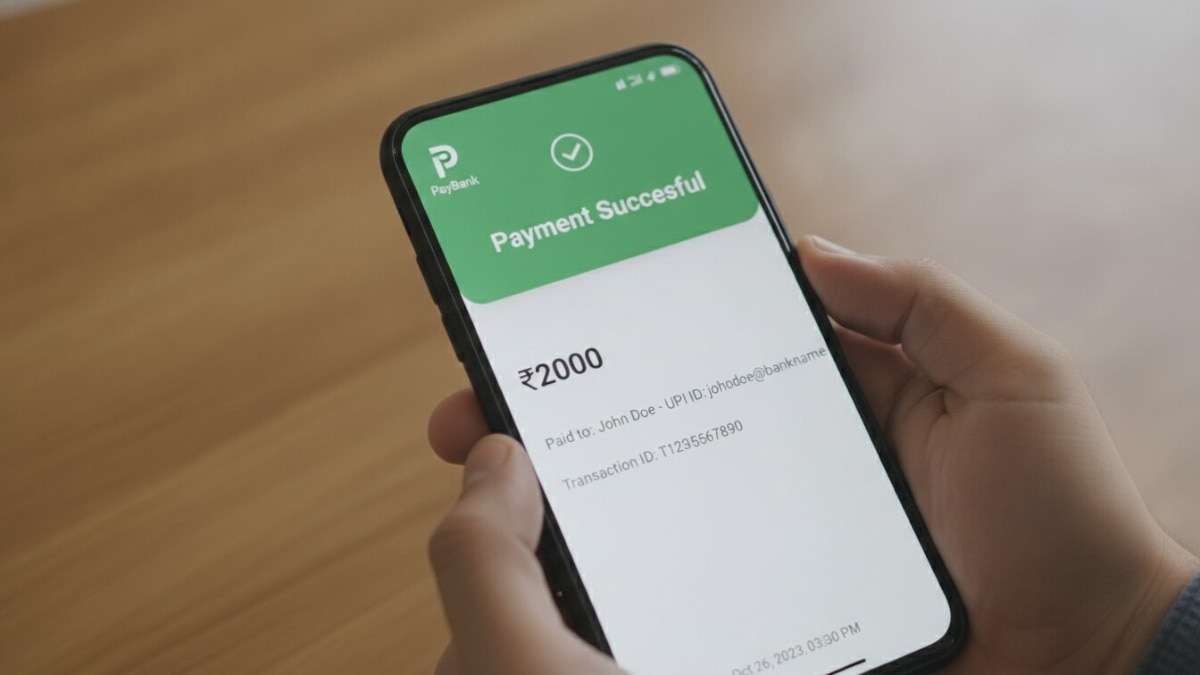
An entrepreneur named J.K. GogulBalaji asked Prime Minister Narendra Modi to make digital-payment fees fairer for small businesses.
He used a laptop sale as an example.
The laptop cost ₹77,500 and was sold for ₹80,000, leaving ₹2,500 in profit.
A ₹300 payment fee would use 12% of that profit.
He said businesses also have to pay for rent, electricity, internet, transport, taxes and banking services.
The rules described in the article do not charge MDR on UPI payments up to ₹2,000.
Larger payments can have a 0.4% fee, with a maximum of ₹300 for payments of ₹75,000 or more.
Balaji said he supports UPI but wants fees to reflect how much profit a business actually makes.

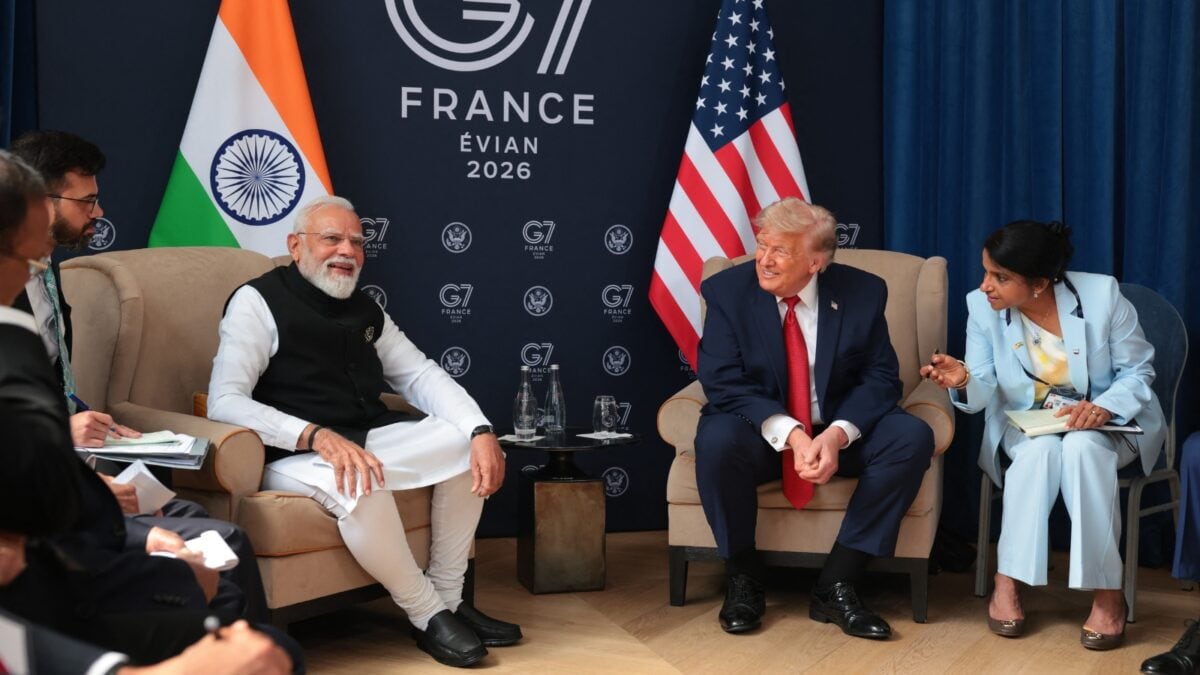
J.K. GogulBalaji asked Prime Minister Narendra Modi to reconsider UPI MDR based on business margins rather than transaction values.
He said a ₹300 charge on an ₹80,000 laptop sale would consume 12% of a ₹2,500 profit margin.
Balaji said small businesses face additional costs including card MDR, GST, rent, utilities, transport and banking charges.
Under the stated rules, UPI payments up to ₹2,000 have no MDR, while higher-value payments face a 0.4% fee capped at ₹300.
Small merchants receiving up to ₹1 lakh monthly will continue to receive zero MDR on all transactions, according to the article.
- Who
- J.K. GogulBalaji, a small entrepreneur, addressed Prime Minister Narendra Modi about UPI MDR.
- What
- Balaji requested that UPI merchant fees be based more on business margins, while the stated rules impose percentage-based fees with transaction caps.
- Where
- The request concerned businesses and UPI payments in India.
- When
- Balaji made the request on September 15, 2026, according to the post cited in the article.
- Why
- He argued that a capped ₹300 fee can consume a substantial share of a small merchant’s profit after other operating expenses.
Small-merchant concern
Payment-system rationale
How fees should be calculated
Small-merchant concern
Balaji says fees should account for a business’s actual profit margin, not only the transaction value, because a ₹300 charge can represent a large portion of a small merchant’s earnings.
Payment-system rationale
The stated rules calculate MDR as a percentage of the payment, with a cap for high-value transactions and exemptions for certain small merchants and payment categories.
Need for payment charges
Small-merchant concern
The entrepreneur accepts that UPI requires investment but asks for a structure that does not disproportionately burden low-margin businesses.
Payment-system rationale
Balaji’s account acknowledges that UPI infrastructure costs money and that MDR commissions are shared among payment-ecosystem partners, including banks.
Key facts
- UPI MDR threshold
- No MDR is charged on UPI transactions up to ₹2,000.
- Standard MDR
- Transactions above ₹2,000 attract a 0.4% fee under the stated rules.
- High-value cap
- The MDR is capped at ₹300 for payments of ₹75,000 and above.
- Example transaction
- For a ₹3,000 purchase, the stated MDR is ₹12.
- Small-merchant exemption
- Merchants receiving up to ₹1 lakh per month will continue to receive zero MDR on all transactions.
- Other sector rate
- Telecom, insurance and fuel payments carry a flat MDR of ₹5 per transaction.
- UPI promotion fund
- A fund for promoting UPI among small merchants will receive 5% of total MDR collections.
Quotes
J.K. GogulBalaji
Small entrepreneur who appealed to Prime Minister Narendra Modi for fairer UPI MDR treatment
“My humble request is simply this: Please consider the actual margin of a business, not just the transaction value. For a large, high margin business, manufacturers, hotels etc ₹300 may be manageable.”
 businesstoday.in
Sources
Related news
UPI Merchant Charges Begin October 15 for Higher-Value Payments

UPI Sets 0.4% MDR on High-Value Merchant Payments

New UPI MDR Rules Keep Consumers Free, Charge Eligible Merchants
MobiKwik, PhonePe Founders Back New UPI MDR Charge
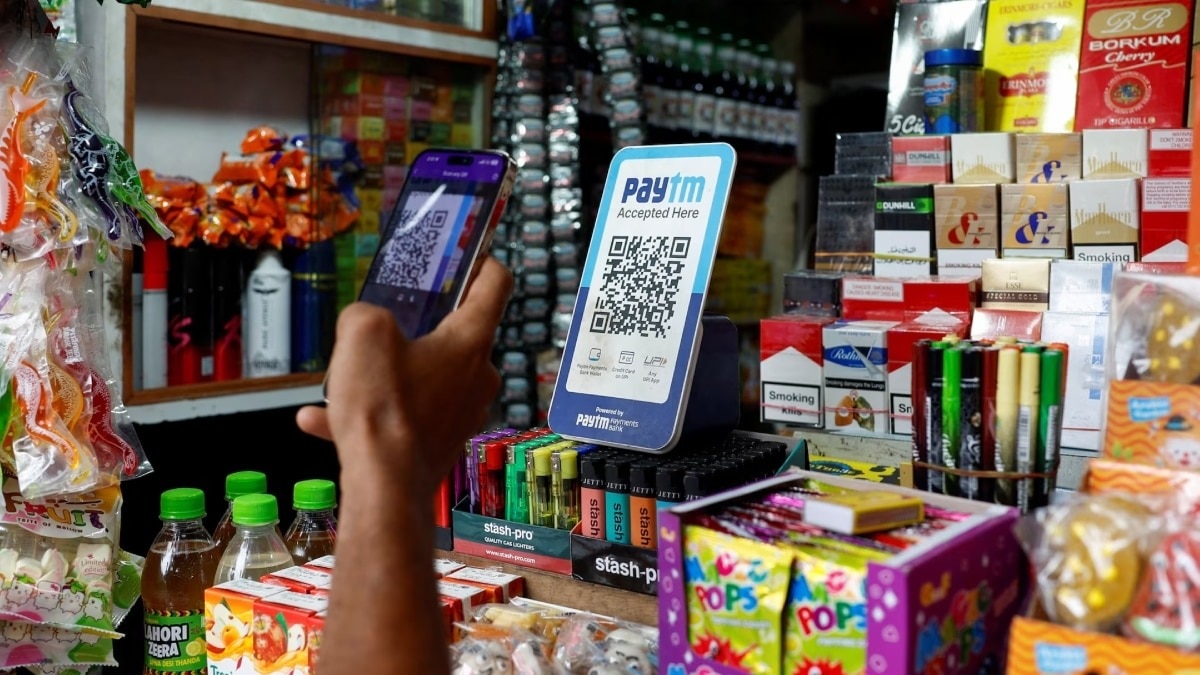
UPI Payments Above ₹2,000 Face New Merchant Fee
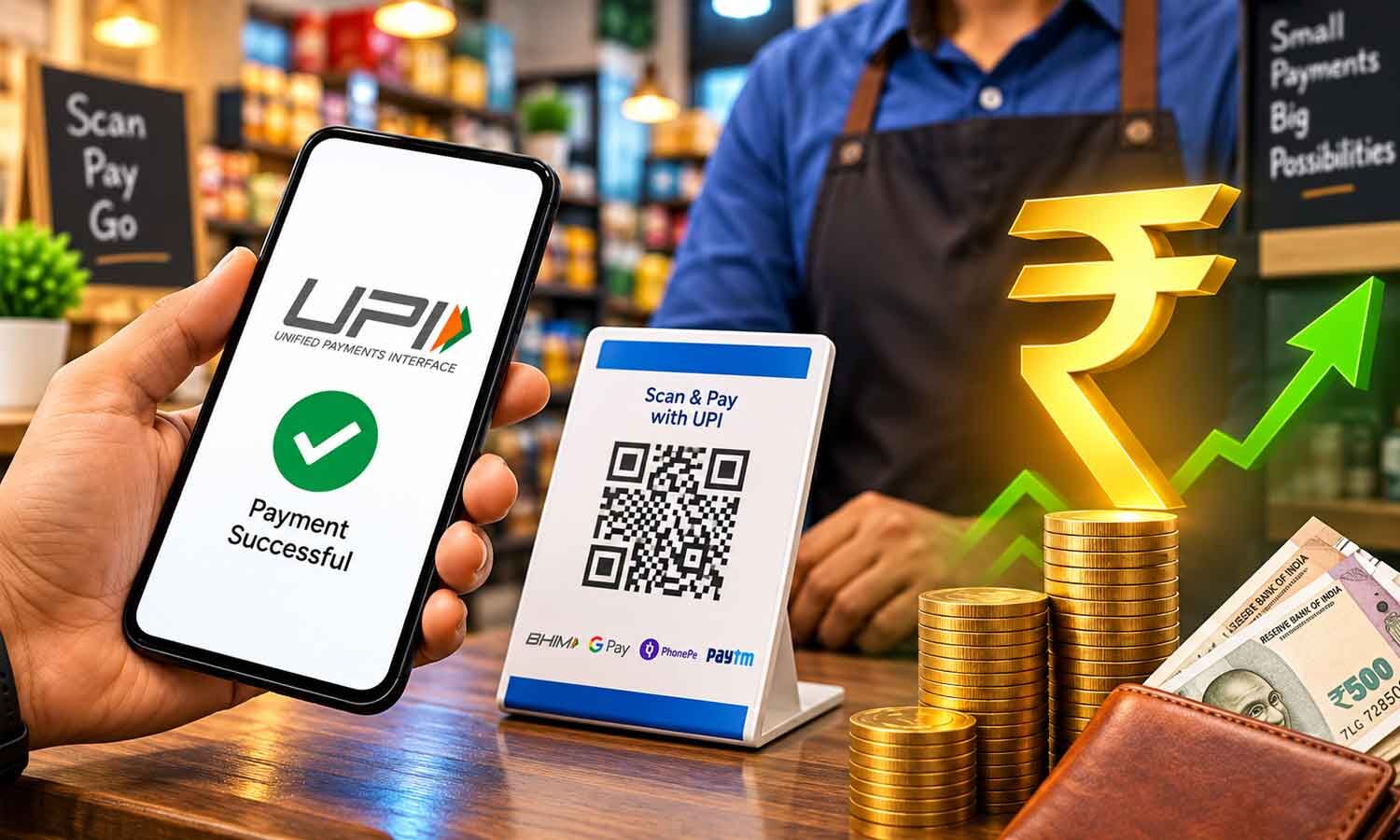
India Adds UPI Merchant Fees Above ₹2,000
Naidu to Join Modi Birthday Seva Sankalp Celebrations
Telangana Governor Extends Birthday Greetings to Prime Minister Modi
Bihar Floods Affect 49 Lakh as Political Blame Intensifies
After Haldwani Controversy, Nitin Nabin Demands Faster Uttarakhand BJP Response