16 mins ago
Modi’s BRICS Silence Sparks Debate Over India’s Foreign Policy
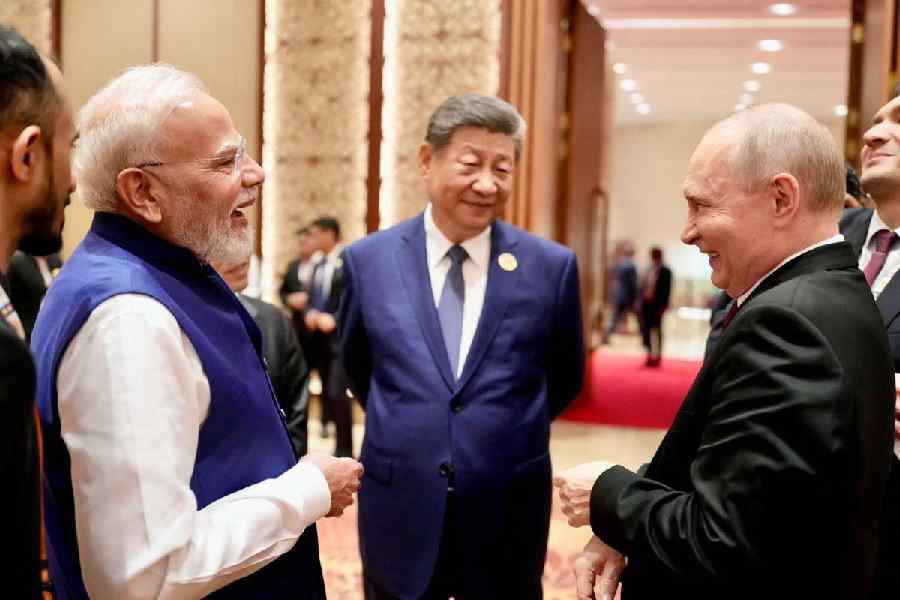
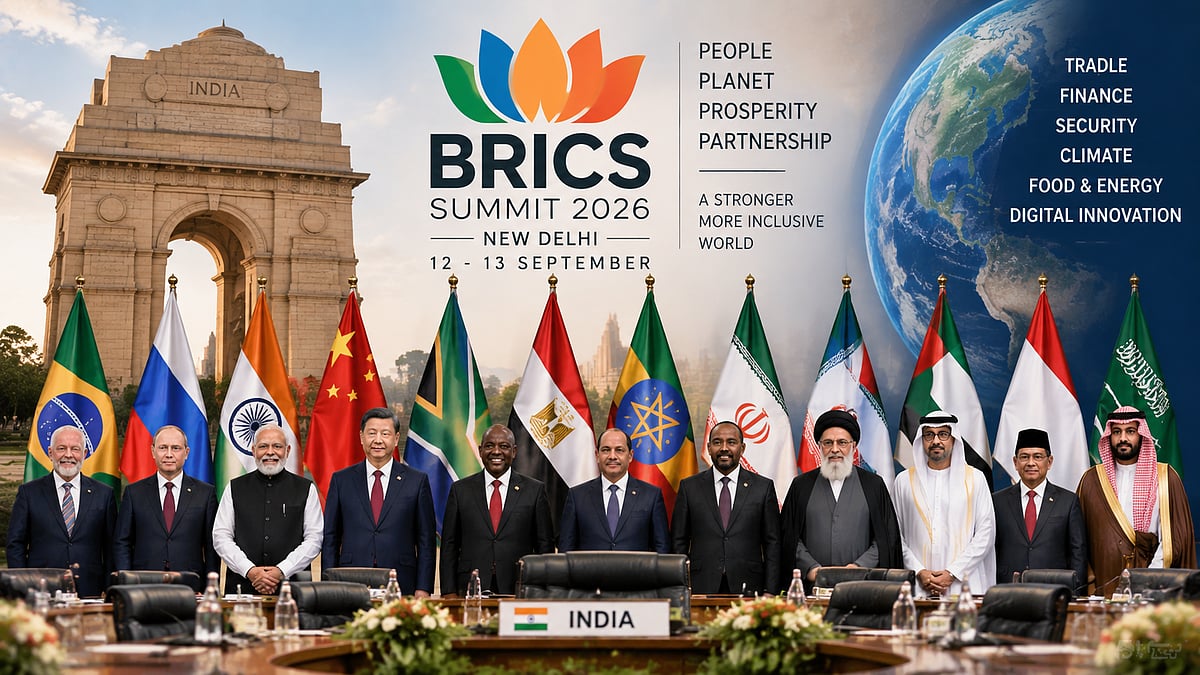
The BRICS countries met in Delhi to discuss global problems and cooperation.
China’s leader said BRICS should help make peace and support a world with several powerful countries.
Russia’s leader said BRICS should rely less on Western money systems and sanctions.
The article says India’s Prime Minister Narendra Modi used more careful and less direct language.
It argues that India should speak more clearly when civilians are harmed in conflicts.
The BRICS declaration criticized unilateral sanctions and expressed concern about violence in West Asia.
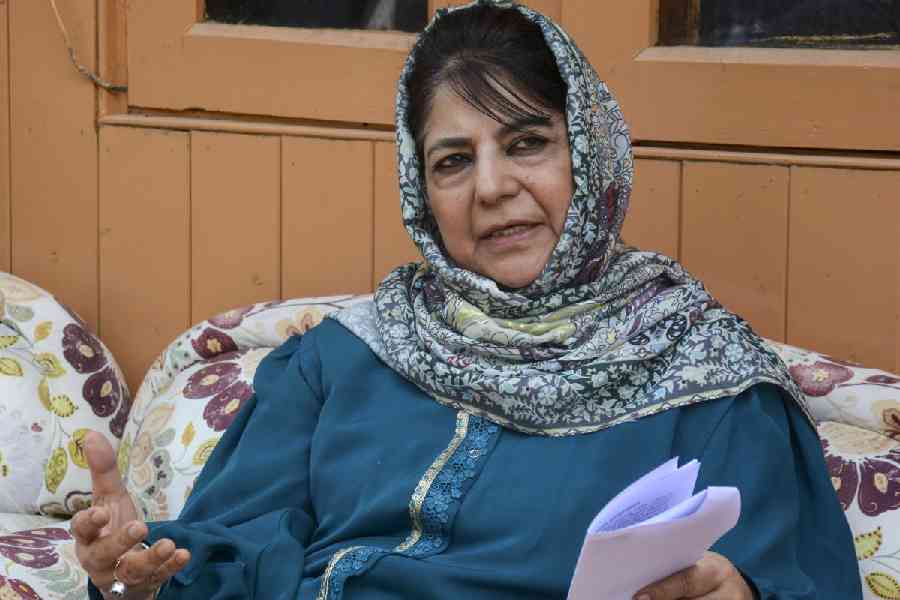
Mehbooba Mufti says India should treat civilian deaths equally, whether they happen in Pahalgam, Gaza or Iran.
She worries that India’s caution may be connected to its relationship with the United States.

The article argues that India’s cautious BRICS messaging contrasted with stronger positions from China and Russia.
Xi Jinping called for BRICS to support peace through dialogue and promote a multipolar world.
Vladimir Putin urged BRICS to reduce reliance on Western financial systems, sanctions and currencies.
The BRICS declaration condemned unilateral sanctions and expressed concern about West Asia and civilian protection.
Mehbooba Mufti questioned whether concern about displeasing Washington is weakening India’s traditionally independent foreign policy.
- Who
- Indian Prime Minister Narendra Modi, Chinese President Xi Jinping, Russian President Vladimir Putin and other BRICS leaders; the article was written by Mehbooba Mufti.
- What
- The article critiques India’s cautious statements at the BRICS Summit and questions whether the country is maintaining an independent foreign policy.
- Where
- Delhi, India.
- When
- At the BRICS Summit in Delhi; the article does not specify a date.
- Why
- The author says India should more clearly oppose civilian harm, unilateral sanctions and the dominance of any single global power.
Call for a Clearer Independent Voice
Cautious Diplomatic Position
India’s BRICS messaging
Call for a Clearer Independent Voice
Mehbooba Mufti argues that India should have publicly and clearly championed opposition to unilateral sanctions, civilian harm and attacks in West Asia.
Cautious Diplomatic Position
The approach described at the summit used cautious and diplomatic language while positioning India as a bridge between the Global South and the existing international system.
Relations with Washington
Call for a Clearer Independent Voice
The article questions whether India’s silence is motivated by fear of displeasing Washington and says this would represent a retreat from independent foreign policy.
Cautious Diplomatic Position
The summit’s cautious positioning avoided directly assigning responsibility to the United States and Israel, preserving diplomatic restraint as described by the article.
India’s historical foreign policy
Call for a Clearer Independent Voice
The author invokes Jawaharlal Nehru, Indira Gandhi and Atal Bihari Vajpayee as examples of leaders who, in her view, asserted India’s interests more independently.
Cautious Diplomatic Position
The current approach seeks to balance relationships with Washington, Moscow and Beijing rather than openly aligning with one side, according to the article’s description.
Key facts
- Event
- BRICS Summit
- Host country
- India
- Host city
- Delhi
- Indian leader
- Prime Minister Narendra Modi
- Key declaration
- The BRICS declaration condemned unilateral coercive measures and sanctions.
- West Asia position
- The declaration expressed grave concern over escalation, called for civilian protection and adopted a stronger position on Gaza.
- Author
- Mehbooba Mufti, PDP chief and former Jammu and Kashmir chief minister
Sources
Related news
Mehbooba Mufti Accuses Modi of Compromising India’s Values

India Seeks Global South Voice Without Making BRICS Anti-West
India’s BRICS Tightrope Tests Its Broader Multi-Alignment Strategy
India's BRICS Summit Diplomacy Raises Global Influence, Domestic Challenges
India Faces Strategic Test As BRICS Summit Opens In Delhi
BRICS Declaration Criticizes Sanctions, Names Israel, Preserves India’s Balancing Act
India and Philippines Deepen Strategic Partnership Across Sectors
BRICS 2026 Talks Focus on Trade, Defence and Partnerships
Putin Visits India for BRICS Summit, Meeting Modi Again
BJP Challenges Communists Over Post-Liberation Opposition To Indian Army