

1 week ago
Doctors Highlight High Fever, Body Ache in Delhi Influenza

Doctors in Delhi are seeing many cases of influenza, including H1N1, also called swine flu.
One doctor said about 70% of the cases he is seeing are H1N1.
High fevers of 103–104°F and strong body aches are common features of these cases.
These symptoms can help doctors compare influenza with COVID-19 or other viruses, but they do not replace medical advice.
Young children, especially those under two, may become more distressed.
Older people, pregnant women, and people with other health problems can also become seriously ill.
Most people recover from influenza within seven to ten days.
Antibiotics do not treat viral influenza, so treatment should be guided by a doctor.

A senior doctor said H1N1 accounts for about 70% of influenza cases currently seen in Delhi.
High fever reaching 103–104°F and significant body ache were identified as prominent features.
Children under five, especially those under two, may face greater distress or complications.
Senior citizens, pregnant women, and people with conditions such as diabetes, asthma, or heart disease are also at higher risk.
Doctors advised avoiding antibiotics for viral influenza, seeking prompt medical care when needed, and considering vaccination and hygiene measures.
- Who
- Doctors Dhiren Gupta and Inder Mohan Chugh, along with people in higher-risk groups such as young children, senior citizens, pregnant women, and those with underlying conditions.
- What
- Doctors reported increased influenza activity, with H1N1 said to account for about 70% of cases seen by Dr Gupta, and highlighted high fever and significant body ache.
- Where
- Delhi, including cases discussed by doctors at Sir Ganga Ram Hospital and Yatharth Super Speciality Hospital, Model Town.
- When
- Currently, amid an increase in H1N1 cases in Delhi; no specific date was provided.
- Why
- To distinguish prominent influenza symptoms, warn higher-risk people about complications, and encourage steps to reduce transmission and obtain timely care.
Key facts
- Reported dominant strain
- Dr Dhiren Gupta said H1N1 accounts for about 70% of the influenza cases currently being seen.
- Prominent symptoms
- High fever of 103–104°F and significant body ache.
- Higher-risk children
- Children under five, particularly those below two, especially those with underlying medical conditions.
- Other higher-risk groups
- Senior citizens, pregnant women, people with weakened immunity, and those with conditions including diabetes, heart, kidney, liver, or respiratory disease.
- Typical recovery period
- Most influenza cases recover within seven to 10 days.
- Antibiotics
- Doctors said antibiotics do not treat viral influenza; a doctor may advise antiviral treatment, especially when started early.
- Prevention advice
- Annual influenza vaccination, hand hygiene, avoiding crowded places when symptomatic, and using masks when necessary were recommended.
Quotes
Dr Inder Mohan Chugh
Vice Chairman and Head of Pulmonology at Yatharth Super Speciality Hospital
“A major feature is significant body ache and high fever (103-104°F); this is a key differentiator when comparing COVID-19 or other viruses with the current influenza strain (predominantly H1N1)”
 thestatesman.com
“Antibiotics do not treat viral influenza; appropriate antiviral treatment may be advised by a doctor, especially when started early”
thestatesman.com
Sources
Related news

Delhi H1N1 Cases Rise as Experts Urge Precautions
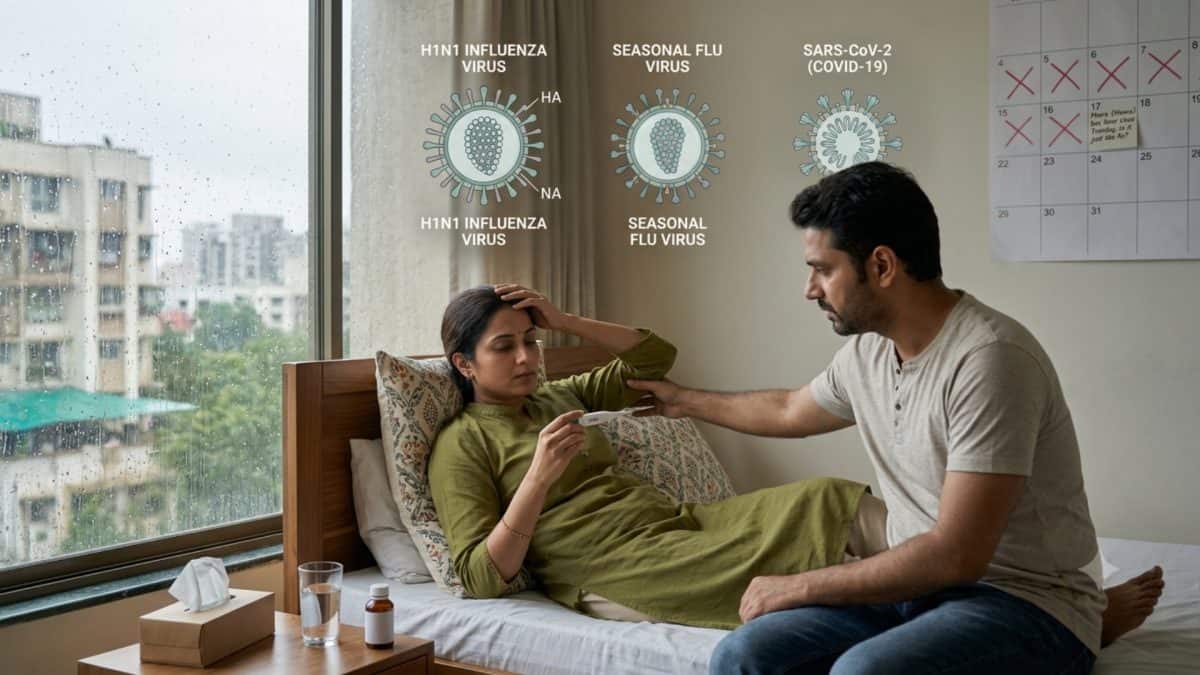
Delhi, Bengaluru H1N1 Surge as Doctors Compare COVID-19

H1N1 Cases Rise in North India; Experts Urge Caution
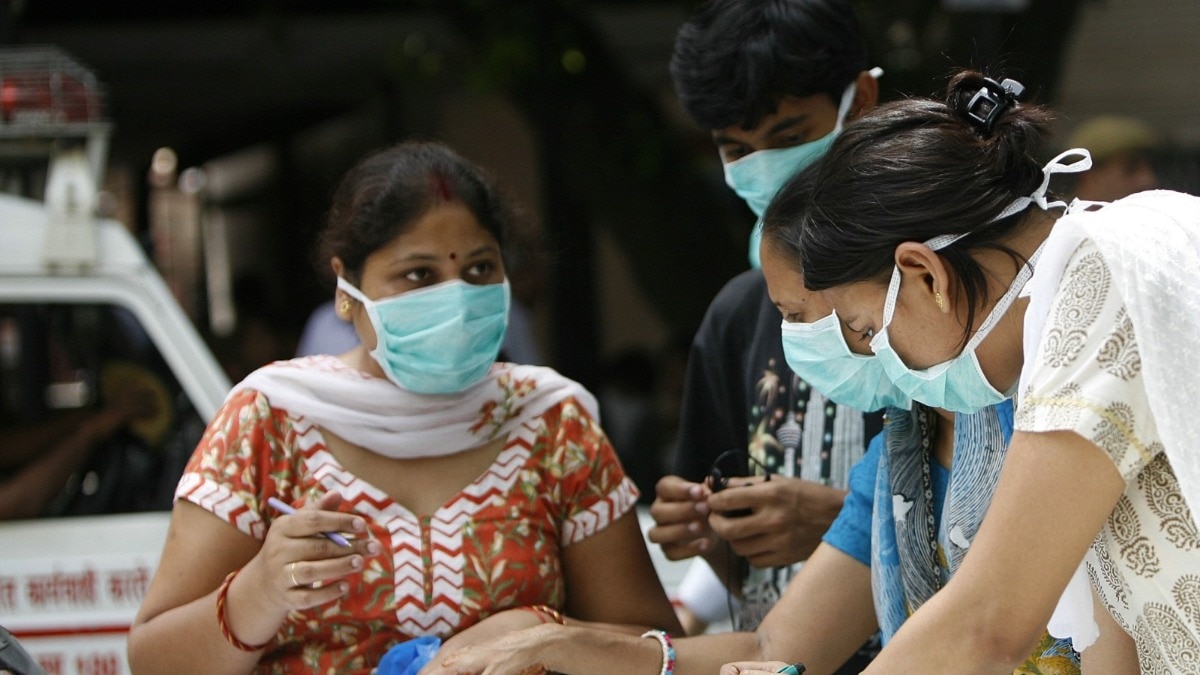
ICMR Says No New H1N1 Strain, Cautions High-Risk Groups

Delhi records nearly six-fold rise in H1N1 cases in 2026

Delhi H1N1 Cases Rise; ICMR Says No New Strain

Delhi Cabinet Approves Bill to Simplify Business Approvals

Delhi Plans Data Protection Officers Across Government Departments

Swara Bhasker’s Johar Remarks Trigger Agra Protest and Threat

Court Allows NEET Case Accused Access to Religious Texts
Delhi Deploys Drones to Monitor Traffic Ahead of BRICS Summit
