1 week ago
India Weighs Hasina Extradition Between Law and Diplomacy

Bangladesh wants India to send Sheikh Hasina back to face a criminal conviction and a death sentence.
She was convicted while she was not present in court.
India is studying the request under its treaty and legal process.
The articles say India should not send her back automatically.
They say Bangladesh should first promise a fair process, legal help and a chance to appeal or have a retrial.
They also say Bangladesh should promise that Hasina will not be executed.
However, India should not let Hasina stay forever or use India to organise political opposition in Bangladesh.
India should keep working with Bangladesh on trade, water, security and other shared matters.
The suggested solution is to negotiate safeguards instead of choosing immediate extradition or indefinite protection.

Bangladesh has requested India’s extradition of former Prime Minister Sheikh Hasina, who was convicted in absentia and sentenced to death for crimes against humanity.
India says it is examining the request under the 2013 bilateral extradition treaty, legal procedures and judicial safeguards.
The articles argue that any surrender should depend on credible guarantees of due process, legal representation, appeal or retrial rights, and no execution.
They warn that immediate extradition could make India complicit in politically motivated punishment, while indefinite refuge could damage relations with Bangladesh.
The proposed middle course is negotiated conditionality, alongside limits on Hasina’s political activity in India and continued cooperation with Bangladesh on broader issues.
- Who
- India, Bangladesh, and former Bangladeshi Prime Minister Sheikh Hasina are the principal parties; Bangladesh’s government is led by Prime Minister Tarique Rahman, according to the articles.
- What
- India is considering Bangladesh’s extradition request for Hasina, who was convicted in absentia and sentenced to death for crimes against humanity.
- Where
- Hasina is in India, and Bangladesh is seeking her return; Bangladesh’s government is based in Dhaka.
- When
- Hasina has reportedly said she wants to return before the end of the year; the articles also refer to Bangladesh’s February 2026 elections and Mirza Fakhrul Islam Alamgir’s election as president on August 20.
- Why
- Bangladesh seeks to enforce Hasina’s conviction, while India must weigh treaty obligations, due process, the death sentence, bilateral relations and regional interests.
Immediate Extradition
Conditional Extradition and Negotiation
Treaty and Bangladesh’s request
Immediate Extradition
India should respect Bangladesh’s request and treaty relationship by returning Hasina to face the conviction, which could improve ties with Dhaka.
Conditional Extradition and Negotiation
The treaty does not make extradition automatic; India should independently examine the allegations, trial and safeguards before surrendering her.
Death sentence and trial
Immediate Extradition
Returning Hasina would allow Bangladesh’s judicial process to proceed and recognise its legitimate interest in prosecuting a former leader accused of grave offences.
Conditional Extradition and Negotiation
India should not send her back mechanically when she faces execution after an in-absentia trial; Bangladesh should guarantee due process, appeal or retrial rights, counsel and no execution.
Hasina’s stay in India
Immediate Extradition
Continued refuge risks making her a permanent source of friction and could allow India to appear to shield her from Bangladesh’s justice system.
Conditional Extradition and Negotiation
India can protect her from persecution while preventing her from using Indian territory as an operational base for political mobilisation against Bangladesh.
Key facts
- Extradition request
- Bangladesh has requested India’s extradition of Sheikh Hasina, and India says it is examining the matter.
- Legal status
- Hasina was convicted in absentia for crimes against humanity and sentenced to death, according to the articles.
- Applicable treaty
- The 2013 India-Bangladesh extradition treaty provides a legal framework but does not remove judicial scrutiny or available safeguards.
- Proposed safeguards
- The articles call for due process, access to legal counsel, appeal or retrial rights, international observation and a commitment that capital punishment will not be carried out.
- Bangladesh’s political leadership
- The BNP returned to power after the February 2026 elections, with Tarique Rahman as prime minister; Mirza Fakhrul Islam Alamgir was elected president on August 20.
- Source of friction
- Bangladesh objected to Hasina’s public media interaction from New Delhi on August 5, saying such interventions could destabilise bilateral relations.
- Broader relationship
- The articles urge India to separate Hasina’s case from cooperation on trade, connectivity, water, border management, security, energy and northeastern India’s access.
Sources
Related news
Indian courts will decide Hasina extradition, talks continue
India Examining Bangladesh's Extradition Request for Sheikh Hasina

India's Three Red Lines Shape Sheikh Hasina Extradition Talks
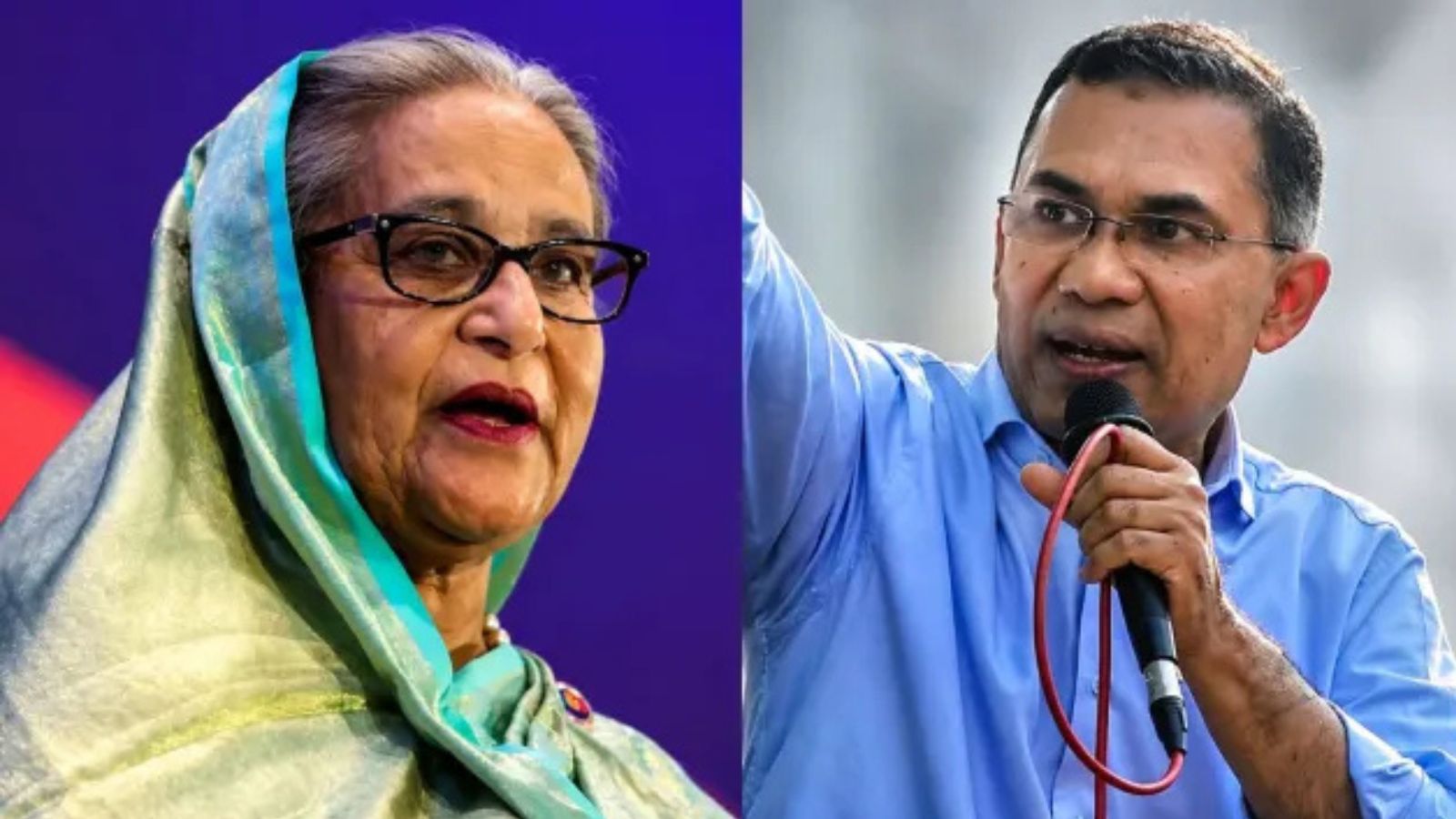
India Stresses Reciprocity as Bangladesh Seeks Hasina Extradition
India-Bangladesh Ties Strained Over Hasina Return, Extradition Row
Bangladesh renews push for Hasina's extradition as envoy meets PM
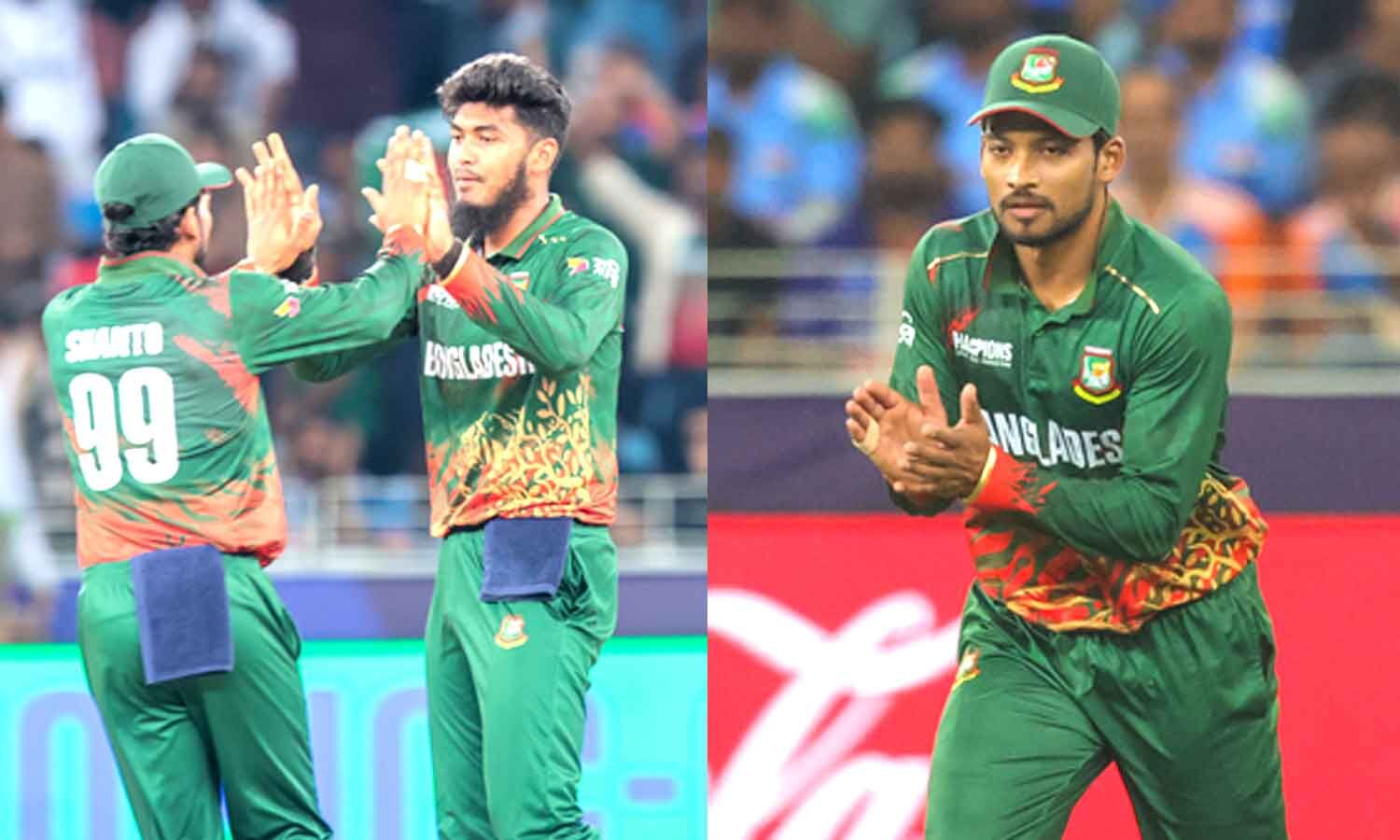
Bangladesh Recall Shanto, Mahmud for Asian Games T20 Squad

Sharma and Malik share halfway lead at Telangana Golconda Masters
India Replaces Sri Lanka as 2027 Women’s Champions Trophy Host
Centre Assures JDU Bihar’s Interests In Farakka Treaty Decision
India’s Record Wheat Harvest Opens $1.5 Billion Export Window