1 hr ago
Pakistan Reports Pediatric HIV Surge Linked to Unsafe Practices
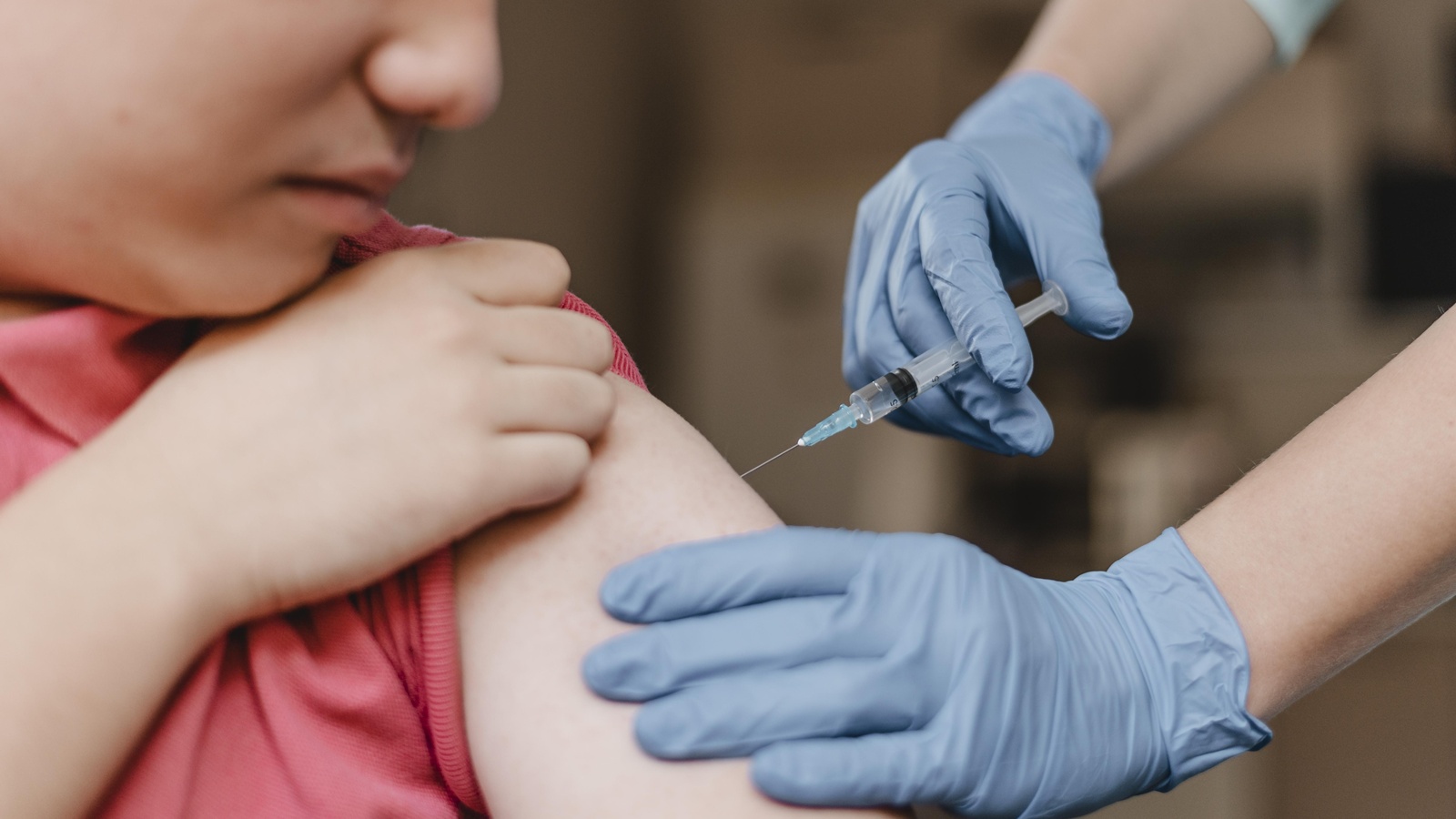
Some children in Karachi have recently tested positive for HIV.
Reports suggest that unsafe medical practices may have helped spread the virus.
HIV can sometimes cause no clear symptoms in children.
Babies infected around birth may become seriously ill faster without treatment.
Doctors recommend special early testing for babies who may have been exposed.
Signs can include repeated infections, poor growth, long-lasting diarrhea or fever, and breathing infections.
These signs can also happen with other illnesses, so they do not prove that a child has HIV.
HIV is not spread by hugging, playing, sharing food, or normal household contact, so children with HIV need care and kindness rather than isolation.

Children in Karachi have recently tested positive for HIV, according to a report cited in the article.
Investigations reportedly linked the infections to unsafe medical practices and inadequate infection-control measures.
Pediatric HIV may show no obvious symptoms, making early testing important, especially for exposed infants.
Warning signs can include recurrent infections, poor growth, prolonged diarrhea or fever, pneumonia, swollen lymph nodes, and oral thrush.
Experts emphasized sterile needles, screened blood, properly sterilized equipment, medical treatment, and avoiding discrimination against children with HIV.
- Who
- Children in Karachi, healthcare providers, and pediatric specialists, including Dr. Vishal Jain.
- What
- A recent increase in reported pediatric HIV cases has raised concerns about unsafe medical practices and infection control.
- Where
- Karachi, Pakistan.
- When
- Recently, according to the report described in the article.
- Why
- Investigations reportedly linked the infections to unsafe medical practices, including possible use of inadequately sterilized medical equipment.
Key facts
- Affected group
- Children, including infants and young children
- Location
- Karachi, Pakistan
- Reported concern
- Infections were reportedly linked to unsafe medical practices
- Possible transmission routes
- Pregnancy, childbirth, breastfeeding, infected blood, or improperly sterilized medical equipment
- Warning signs
- Recurrent infections, poor growth, prolonged diarrhea or fever, pneumonia, swollen lymph nodes, and oral thrush
- Recommended precautions
- Use new sterile needles and syringes, screen blood products, and properly sterilize medical equipment
- Important clarification
- HIV is not spread through hugging, playing, sharing food, or ordinary household contact
Quotes
Dr Vishal Jain
Lead consultant in Paediatrics and Neonatology at CK Birla Hospital Delhi
“Early virological testing of HIV-exposed infants is recommended by WHO, including testing within the first weeks of life, since conventional serological tests cannot be used to confirm infection in children younger than 18 months.”
 indianexpress.com
“HIV cannot be contracted from hugging, playing, eating together, or even ordinary household contact. The child who has HIV requires medical attention, therapy, and love – not isolation and discrimination”
indianexpress.com
Sources
Related news

Pakistan Children Contract HIV After Routine Hospital Care
BMC Denies Treatment Lapses In Three Rajawadi Hospital Infant Deaths

Fire at Pakistan Hospital Kills at Least 15 Infants
Childhood Cancer Awareness Highlights Early Warning Signs and Diagnosis

Malda Hospital Reports 60 Child Deaths, Including 10 In One Day

SVIMS to Soon Open Eight-Bed PICU in Tirupati
UN Meeting Tests Whether World Is Safer From Pandemics

Peng Liyuan: Singer, First Lady and Diplomatic Presence in China

Study Links 100g More Daily Ultra-Processed Food to Heart Risk

AIIMS Screening Finds Menstrual Irregularity Among Nearly One-Fifth of Schoolgirls