3 days ago
Childhood Cancer Awareness Highlights Early Warning Signs and Diagnosis
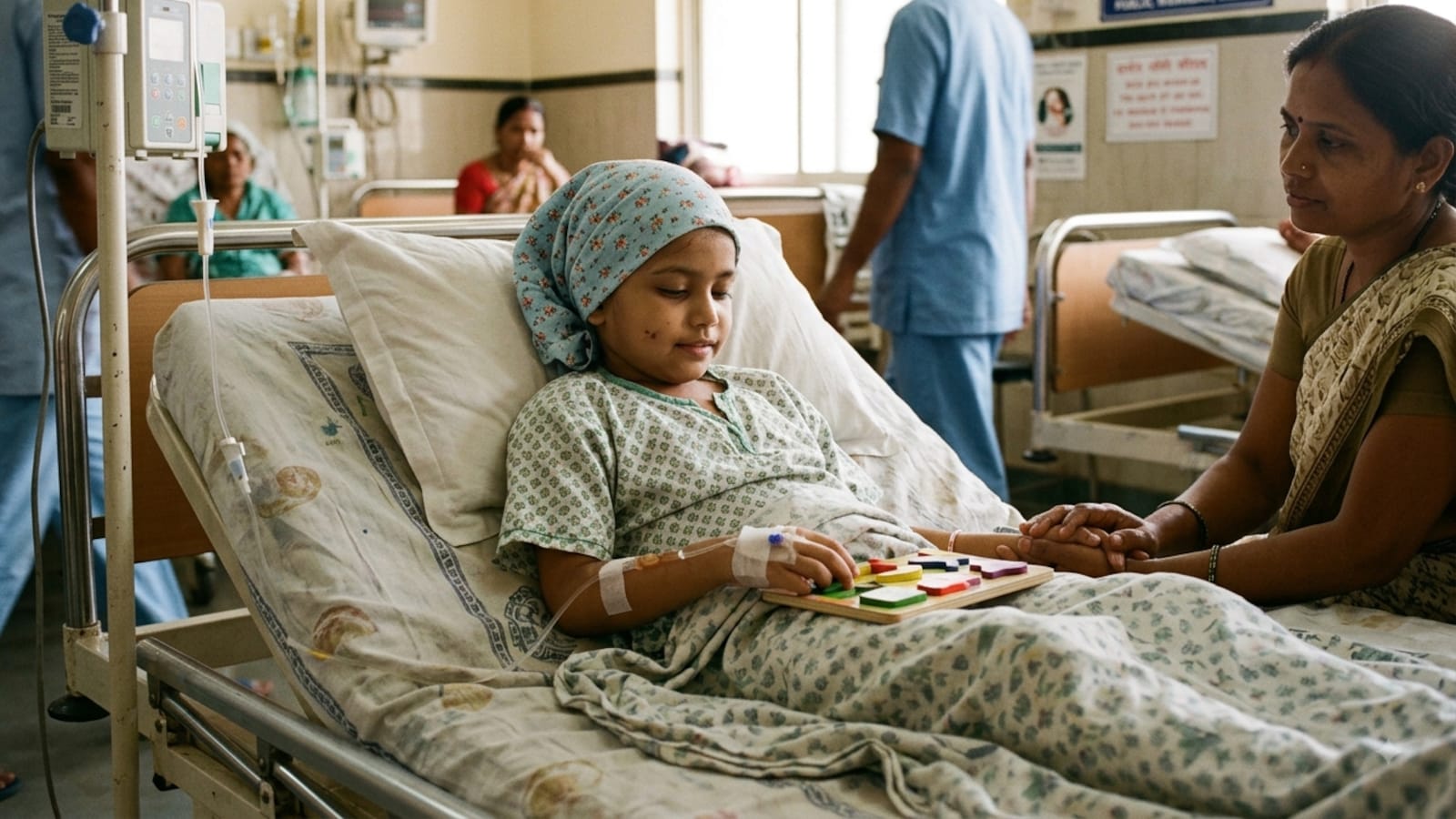
Childhood cancer can sometimes look like ordinary childhood problems.
A child may seem tired, have repeated fevers, bruise easily, or lose weight.
Most children with these symptoms do not have cancer.
However, symptoms that last a long time or appear together should be checked by a doctor.
Pain that affects walking or sleep should not automatically be called growing pains.
Changes in vision, balance, or sleep-disrupting headaches need prompt medical attention.
Parents should ask questions when something feels unusual or does not improve.
Finding cancer early can make treatment more effective.
A simple blood test may help doctors decide what to do next.

Persistent fatigue, paleness, or reduced interest in play may warrant a blood count.
Recurring or prolonged fevers, especially with bone or joint pain, should be investigated.
Unexplained bruises, bleeding, or tiny red skin spots can indicate a falling platelet count.
Persistent lumps, swelling, bone pain, weight loss, or appetite changes require medical attention.
Vision or balance changes and headaches that wake a child from sleep need prompt evaluation.
- Who
- Parents, children, doctors, and paediatric oncology professionals, including Dr. Silky Jain.
- What
- The article explains warning signs that may require evaluation for childhood cancer and stresses the importance of early diagnosis.
- Where
- The article focuses on childhood cancer care in India.
- When
- During Childhood Cancer Awareness Month, held every September.
- Why
- The author says childhood cancer is often curable, but delayed recognition, limited access, and systems that do not listen early can prevent timely diagnosis.
Key facts
- Author
- Dr. Silky Jain, Chief of Paediatric Haematology and BMT and Founder-CEO of Lavender Lane
- Awareness period
- Childhood Cancer Awareness Month takes place every September.
- Key warning signs
- Persistent fatigue, recurring fevers, unusual bruising or bleeding, and persistent lumps or swelling.
- Additional symptoms
- Unexplained bone or joint pain, weight loss, appetite loss, vision or balance changes, and headaches that wake a child.
- Important qualification
- The symptoms described do not, on their own, mean a child has cancer.
- Suggested evaluation
- The author says persistent unexplained symptoms may warrant medical assessment, including a blood count.
Sources
Related news
Seven Reasons Parents Should Not Ignore a Tired Child
India Accounts for 68.8% of SAARC Childhood Cancer Cases

CAR T-cell therapy brings new hope against blood cancer

Delhi H1N1 Rise: Child Behaviour Matters More Than Fever Number

AIIMS Experts Urge Early Detection as GI Diseases Rise

India's 7.8% GDP Growth Sparks Questions Over Economic Reality

India Needs a Unified Ministry to Strengthen Energy Security

How Personal Guarantees Work Under India’s Insolvency Code

India Plans High-Tech Waiver From Mandatory BIS Certification Rules
India Condemns Demolition of Century-Old Hindu Temple in Pakistan