1 week ago
India Approves 1,800-Km LPG Pipeline Expansion To Reduce Road Dependence

India has approved about 1,800 kilometres of new pipelines for carrying cooking gas.
The projects are expected to cost around ₹7,000 crore.
State-owned GAIL (India) will build three pipelines across six states.
They will connect Cherlapally with Nagpur, Jhansi with Sitarganj, and Shikrapur with Goa and Hubli.
Pipelines can move large amounts of LPG without using as many road tankers.
This may reduce traffic, transport costs, pollution and the risk of tanker accidents.
Much of India’s LPG arrives through coastal terminals and must then travel inland.
A larger pipeline network could help keep supplies moving during emergencies or shipping disruptions.
LPG inside the pipelines can also provide a short-term supply buffer called line-pack storage.

PNGRB authorised nearly 1,800 km of new LPG pipelines at an estimated investment of ₹7,000 crore.
GAIL (India) will develop three projects spanning Telangana, Maharashtra, Uttar Pradesh, Uttarakhand, Karnataka and Goa.
The authorised common-carrier LPG pipeline network is expected to grow from about 7,700 km to nearly 9,500 km, an increase of roughly 23.5%.
The projects are intended to reduce LPG tanker movements, road congestion, logistics costs, carbon emissions and transport risks.
The pipelines are designed to improve supply resilience as India relies significantly on imported LPG delivered through coastal terminals.
- Who
- The Petroleum and Natural Gas Regulatory Board authorised the projects, which will be developed by state-owned GAIL (India).
- What
- Three LPG pipeline projects covering nearly 1,800 km were approved at an estimated investment of ₹7,000 crore.
- Where
- The pipelines will cross Telangana, Maharashtra, Uttar Pradesh, Uttarakhand, Karnataka and Goa, connecting Cherlapally-Nagpur, Jhansi-Sitarganj and Shikrapur-Goa-Hubli.
- When
- The articles say the authorisations were received in July, but do not specify the year; GAIL estimated construction would take three years.
- Why
- The projects aim to improve LPG supply resilience and efficiency while reducing dependence on long-distance road transport.
Key facts
- Estimated investment
- Around ₹7,000 crore according to PNGRB; GAIL earlier estimated about ₹6,700 crore over three years.
- New pipeline length
- Nearly 1,800 km across three projects.
- Network expansion
- The PNGRB-authorised common-carrier network is expected to grow from about 7,700 km to nearly 9,500 km, or roughly 23.5%.
- Project routes
- Cherlapally-Nagpur: 556 km; Jhansi-Sitarganj: 611 km; Shikrapur-Goa-Hubli: 633 km.
- Existing major pipeline
- The 2,757-km Kandla-Gorakhpur LPG Pipeline is described as India’s longest LPG pipeline.
- Existing GAIL network
- GAIL operated about 2,040 km of LPG pipelines as of December 2025, with transportation capacity of approximately 4.58 million tonnes per annum.
- Domestic LPG market
- India had about 33.14 crore active domestic LPG connections as of July 1, 2026, including more than 10.57 crore under the Pradhan Mantri Ujjwala Yojana.
Quotes
Petroleum and Natural Gas Regulatory Board
India’s petroleum and natural gas downstream regulator
“After recent tragic developments of road accidents involving LPG tankers, PNGRB has been driving the agenda for elimination of primary movement of LPG by road to bottling plants.”
 financialexpress.com
“As the country continues to rely significantly on imported LPG, an extensive pipeline network provides inherent system resilience.”
financialexpress.com
Sources
PNGRB clears Rs 7,000-crore LPG pipeline expansion
India Approves 1,800-Km LPG Pipeline Expansion Worth ₹7,000 Crore To Cut Road Transport Dependence
From tankers to pipelines: Why India is betting Rs 7,000 cr on 1,800-km LPG pipeline network
India approves 1,800 km of new LPG pipelines across 6 states with ₹7,000 crore investment to boost supply
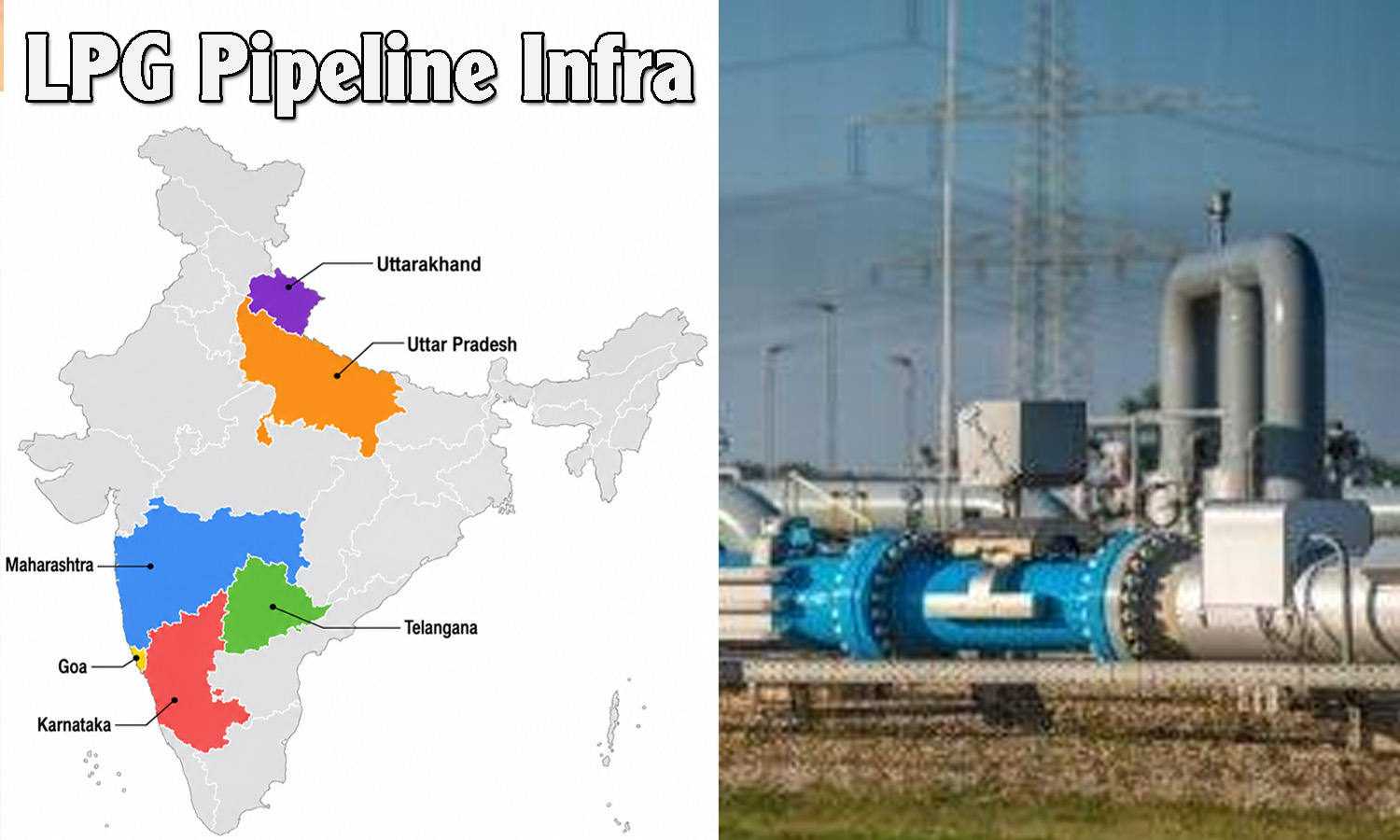
PNGRB Clears 1,800-Km LPG Pipeline In Rs 7K Cr Energy Push
Related news

GAIL Plans Expansion Across Gas, LNG, Petrochemicals and Clean Energy
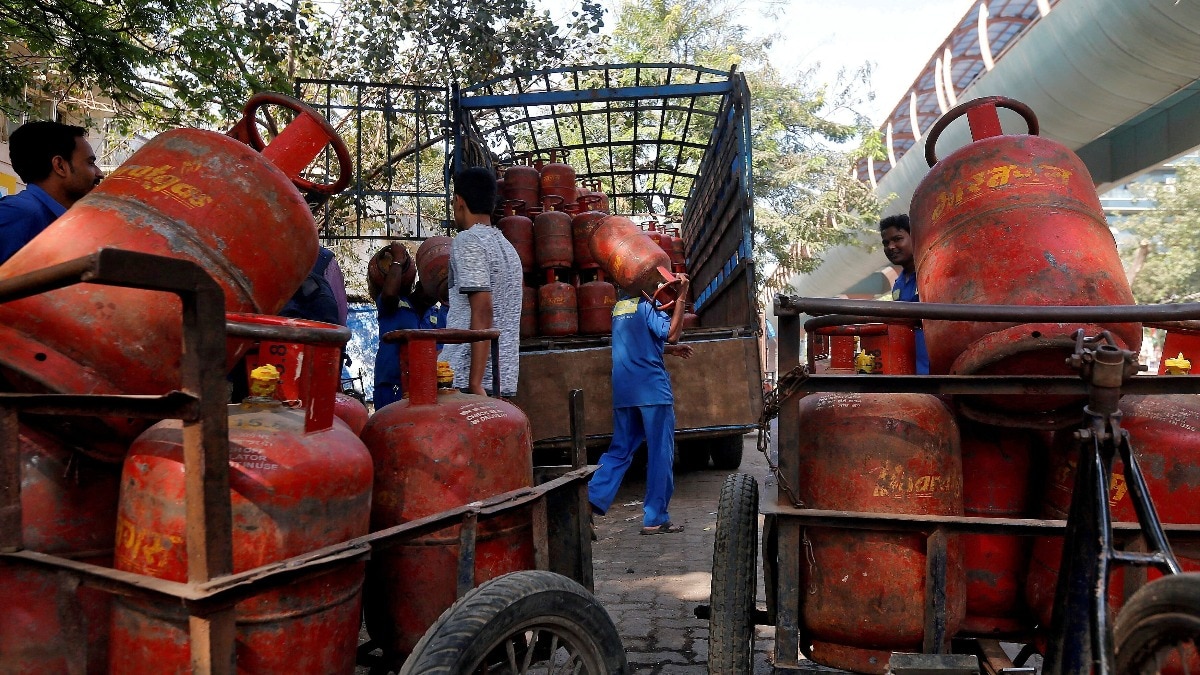
India Reports LPG, CNG, PNG Rates Amid Supply Shift

Centre Asks States for Officers to Speed LPG-to-PNG Shift

India doubles LNG sourcing to 15 nations amid supply risks
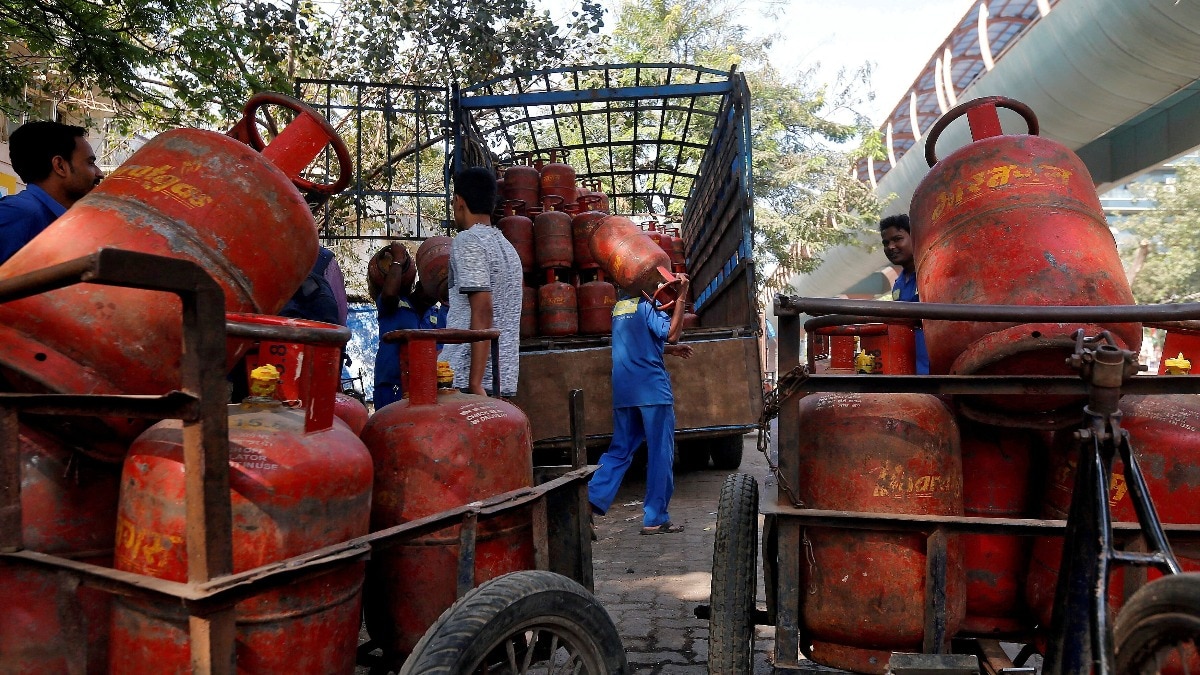
India Reports LPG, CNG, PNG Prices Amid Supply Measures
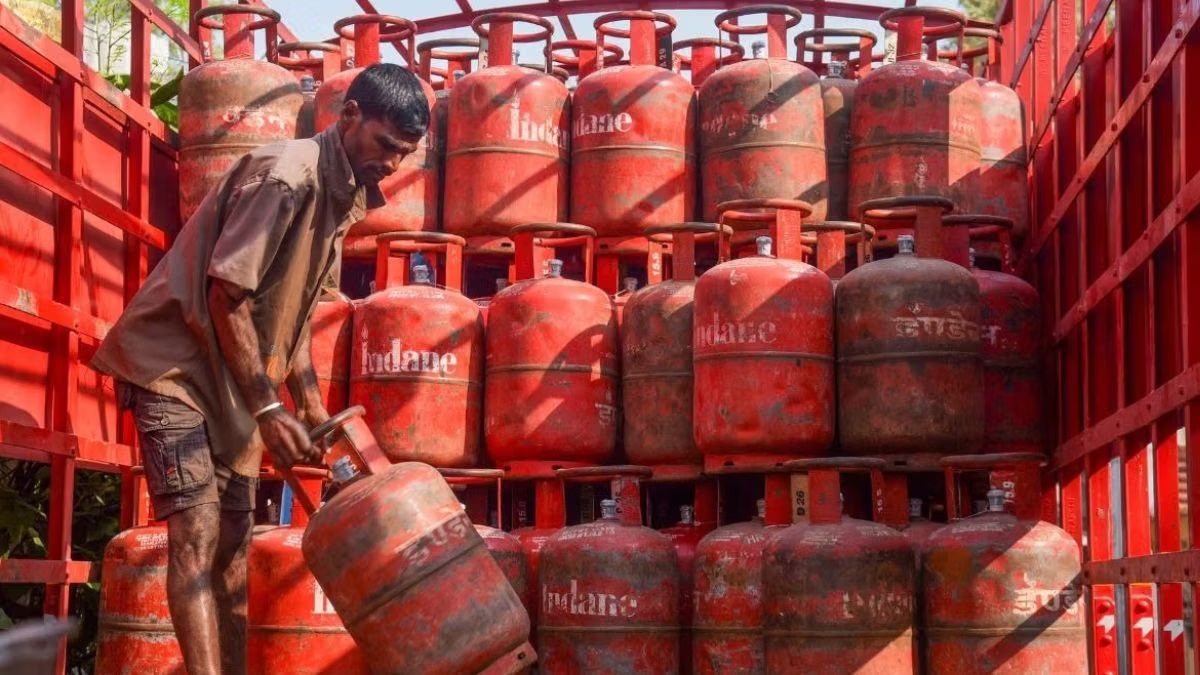
Centre Fast-Tracks LPG-to-PNG Switch for 4.1 Million Homes

Government Accelerates LPG-to-PNG Shift as West Asia Conflict Disrupts Supply

Additional APM Gas Incentive Favors CGD Companies, Analyst Says