2 weeks ago
New study links gut bacteria, not just hormones, to fertility
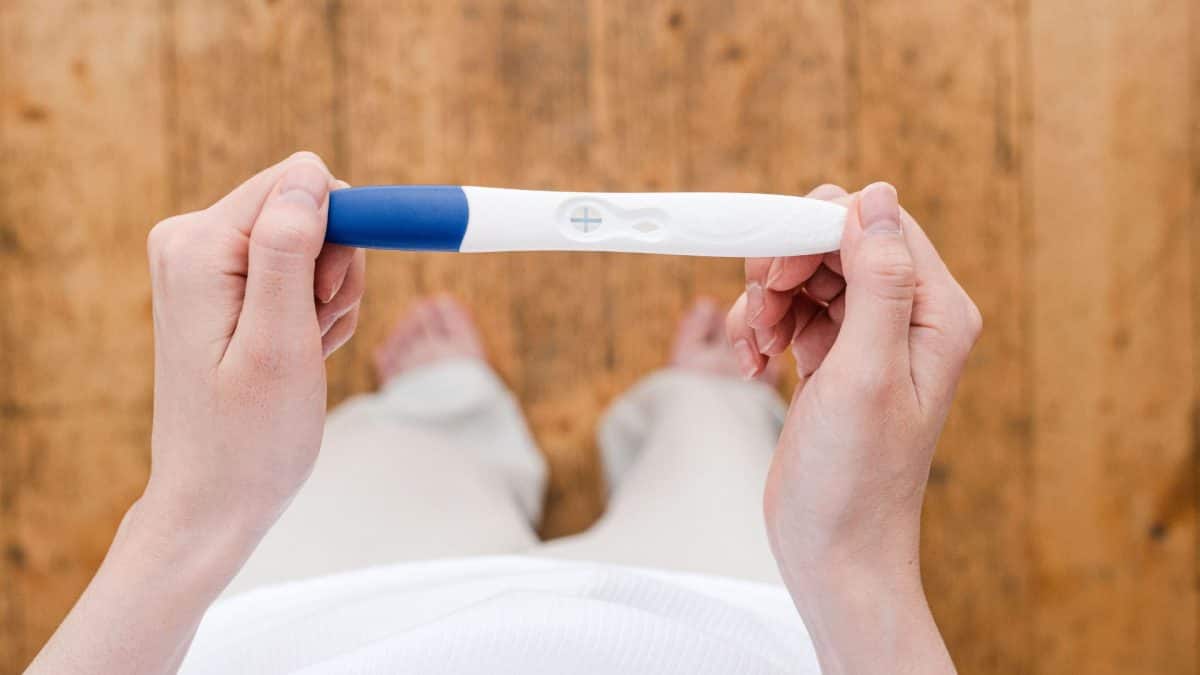
Our bodies are home to trillions of tiny living things called bacteria, mostly in our gut.
Most of these bacteria are helpful, but sometimes their balance goes wrong, which doctors call dysbiosis.
A new study in a health journal looked at whether this imbalance can affect having babies.
It found that women with unhealthy gut bacteria may take longer to get pregnant.
It also found that men with unhealthy bacteria in their semen may lower the couple's chance of having a baby.
In the past, doctors mostly looked at the woman's body when a couple could not have a baby.
This study says we should look at both partners, since their bacteria can interact during pregnancy attempts.
The study included 353 women and 191 men who were getting fertility treatment.
Scientists think the bacteria may work through the body's immune system and inflammation.
But they still need more research before saying that changing your diet can fix fertility.

A new prospective study in The Lancet Obstetrics, Gynaecology & Women's Health links gut microbiome imbalances (dysbiosis) in women to longer time to conceive and lower likelihood of conception.
Bacterial imbalances in men's seminal microbiome were linked to lower chances of conception and more pregnancy losses, according to the study.
Vaginal dysbiosis showed no consistent association with reproductive outcomes in the study.
The study followed 353 women and 191 of their male partners, and about a quarter of the men had a bacterial imbalance in their semen.
Researchers suggest gut bacteria may affect reproduction through metabolic, inflammatory and immune pathways, but dietary effects on fertility are not yet confirmed.
- Who
- Researchers behind the study; the 353 women and 191 male partners studied; experts Dr Geeta Chadha of Indraprastha Apollo and nutritionist-author Ishi Khosla.
- What
- A study finding that gut and seminal microbiome imbalances are linked to fertility problems, difficulty conceiving and pregnancy loss in both men and women.
- Where
- Published in The Lancet Obstetrics, Gynaecology & Women's Health; expert commentary came from practitioners associated with Indraprastha Apollo.
- When
- Not specified in the article; the study is described as newly published.
- Why
- To challenge the traditional view that fertility depends mainly on female hormones and reproductive anatomy, and to highlight the role of bacteria in both partners.
Microbiome-based view
Traditional fertility view
Cause of fertility problems
Microbiome-based view
Imbalances in gut and seminal bacteria in both partners can affect fertility, conception and pregnancy, while vaginal dysbiosis showed no consistent effect.
Traditional fertility view
Fertility problems are primarily caused by hormones, ovulation, sperm quality, genetics and the anatomy of the reproductive tract.
Focus of investigation
Microbiome-based view
Clinicians should examine the whole body and both partners, since the microbial environments of men and women interact and the male microbiome was previously neglected.
Traditional fertility view
Traditional practice focuses on the female reproductive tract and genital tract infections when investigating recurrent pregnancy loss.
Diet as treatment
Microbiome-based view
Nutritionist Ishi Khosla says improving gut and digestive health can help some couples conceive, citing cases where conception followed within one to two months of dietary change.
Traditional fertility view
Researchers have not confirmed that dietary changes affect fertility outcomes and say further research is needed.
Key facts
- Published journal
- The Lancet Obstetrics, Gynaecology & Women's Health
- Study type
- Prospective study
- Study size
- 353 women and 191 male partners
- Men with seminal dysbiosis
- About one quarter of male partners
- Key finding in women
- Gut dysbiosis linked to longer time to conceive and lower likelihood of conception
- Key finding in men
- Seminal dysbiosis linked to lower conception chances and more pregnancy losses
- Vaginal dysbiosis
- No consistent association with reproductive outcomes
- Proposed mechanisms
- Metabolic, inflammatory and immune pathways
Quotes
Dr Geeta Chadha
Senior gynaecologist at Indraprastha Apollo
“"Dysbiosis means that the balance of microorganisms has shifted towards the worse — the bad bacteria overpopulate the good ones."”
 firstpost.com
“"The gut microbiome controls the hormonal health of our system and the nutritional health of our system."”
firstpost.com
Sources
Related news
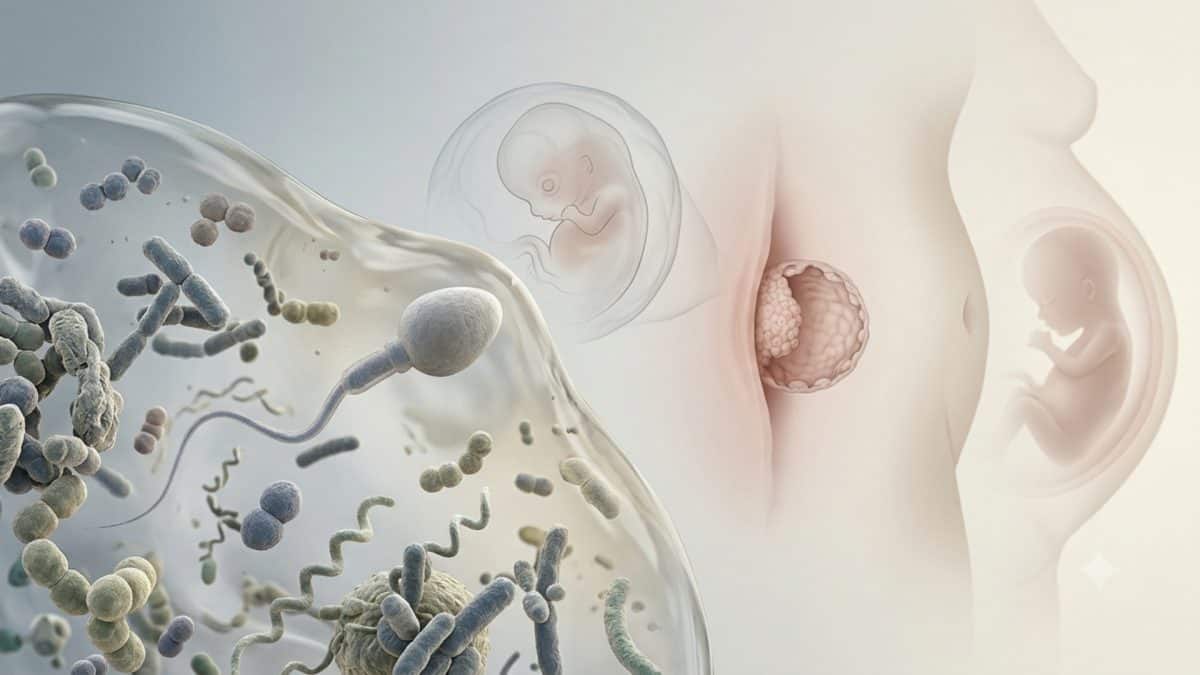
Semen Bacteria Linked to Pregnancy Loss, but Causation Remains Unproven
India’s Fertility Crisis Highlights Delayed Parenthood and Reproductive Awareness

Study Highlights Men’s Preconception Health and Children’s Outcomes

Fertilitymaxxing Wellness Trend Gains Traction, Doctors Warn Against Hacks

Social Media's Spermmaxxing Trend Exploits Male Fertility Anxiety
Gujarat Couples Challenge IVF Age Cutoff Amid Advanced-Pregnancy Risks

Pregnancy Exercise Guidance After Kiara Advani’s ‘Toxic’ Shoot

Why Quitting Smoking Takes More Than Simple Willpower

H1N1 Surge Raises Concerns About Hidden Heart Risks

Health Ministry Reviews Preparedness as H1N1 Infections Surge