9 hrs ago
Nepal’s $20 Million Request Exposes Loss and Damage Fund Gaps
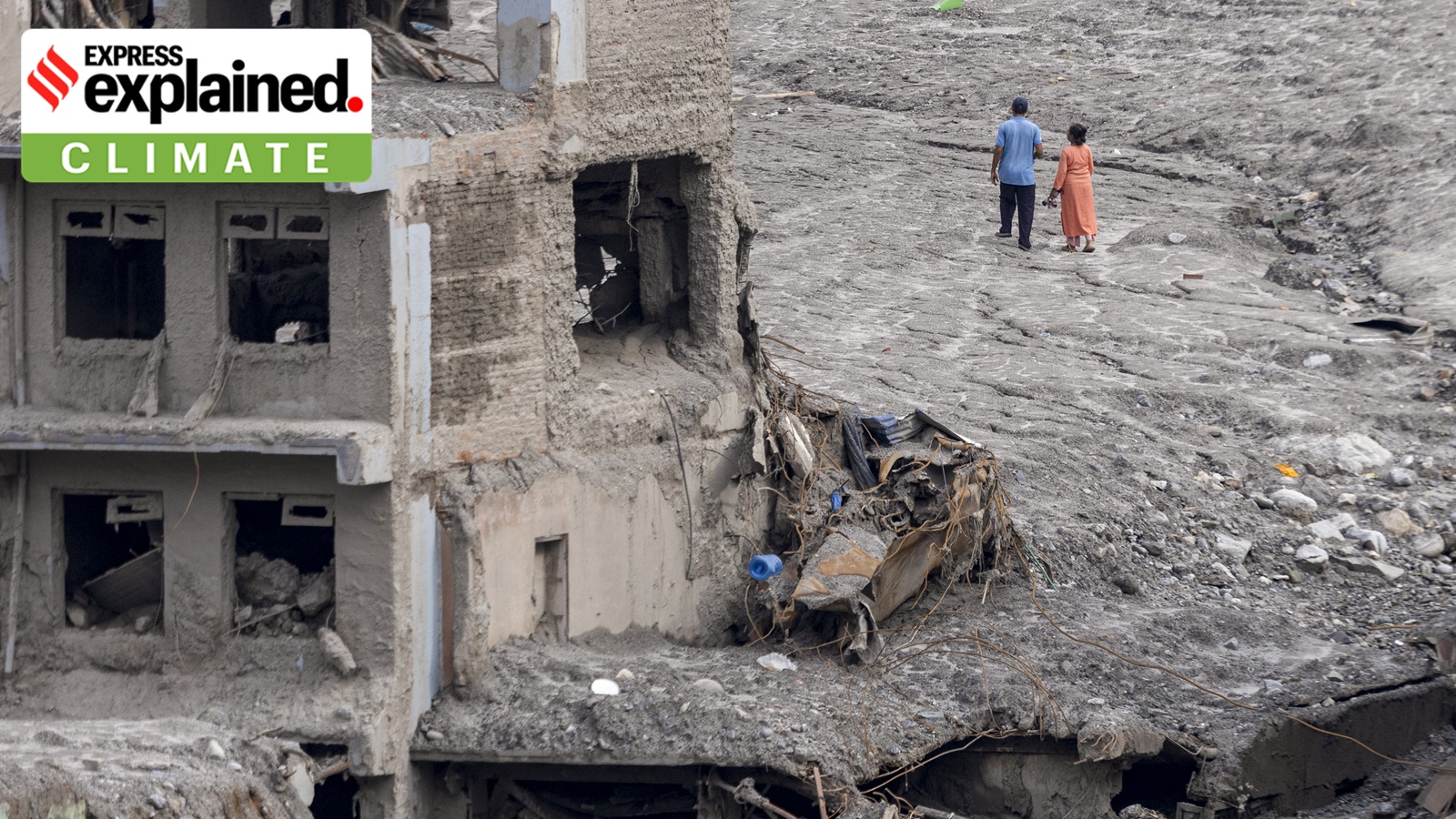
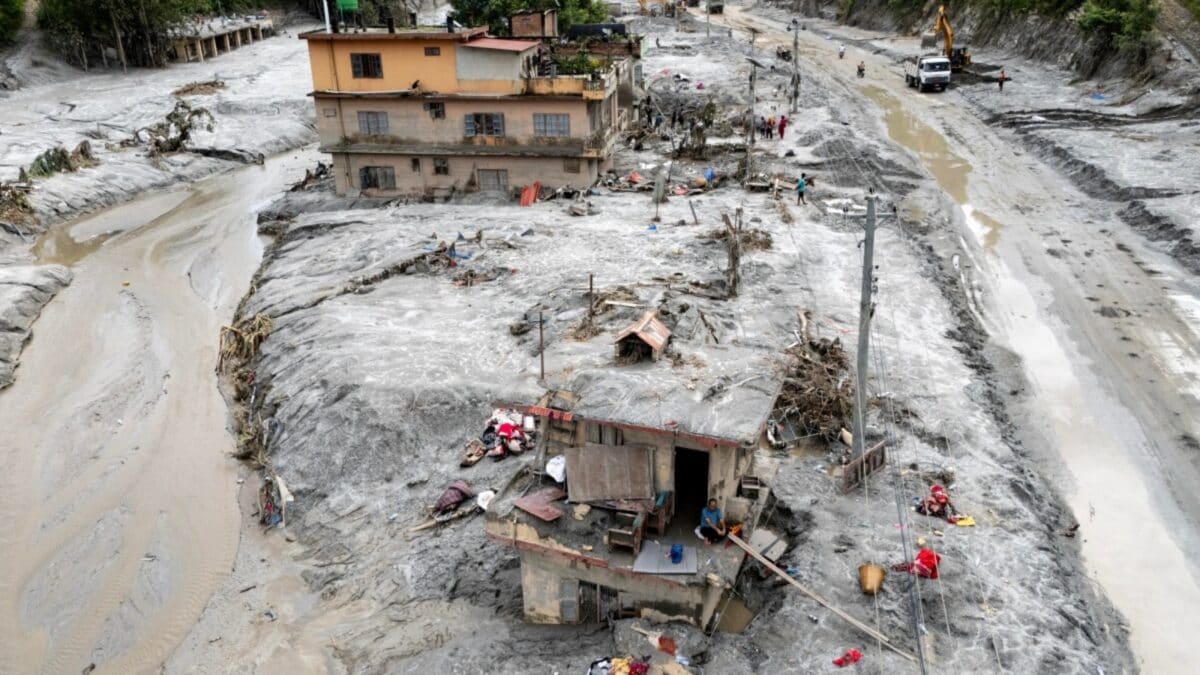
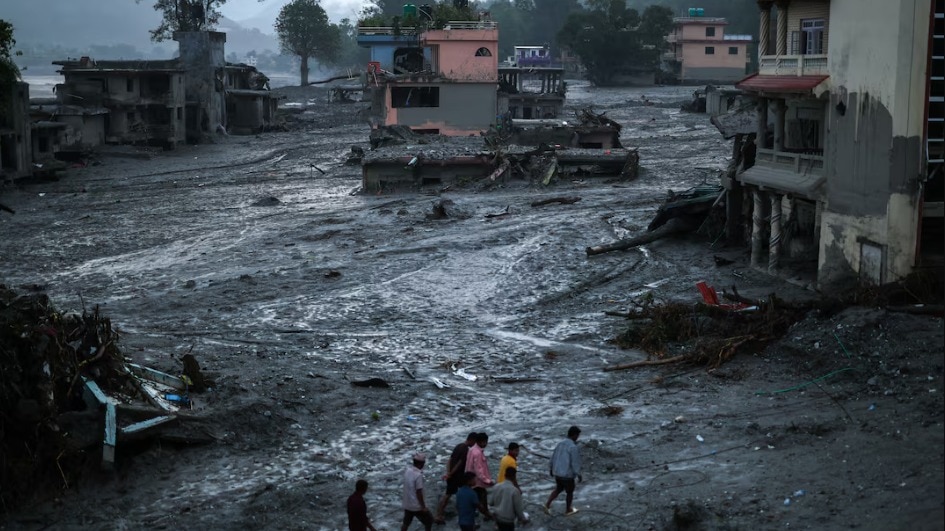
Nepal was hit by a very destructive flood after a glacier collapsed.
The country says it did not cause the climate problems that helped create this disaster.
It is asking the United Nations’ Loss and Damage Fund for $20 million.
This fund was created to help countries suffering serious harm from climate change.
However, the fund has not yet given money to any country.
Countries have promised some money, but the promises are smaller than the amount requested by nations.
Nepal’s request also came after the normal application period ended.
Some people want the fund to act quickly, while others say its rules and checks must be followed.

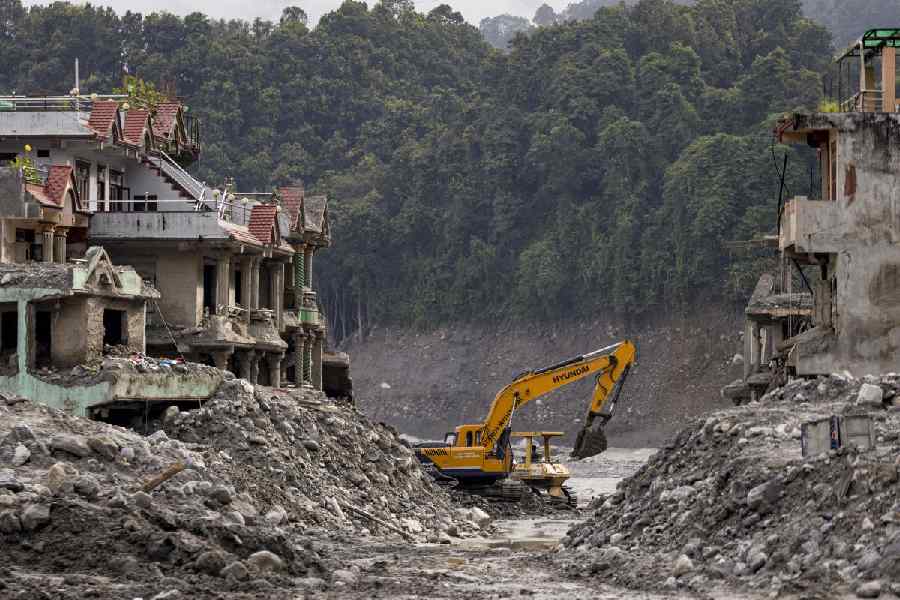
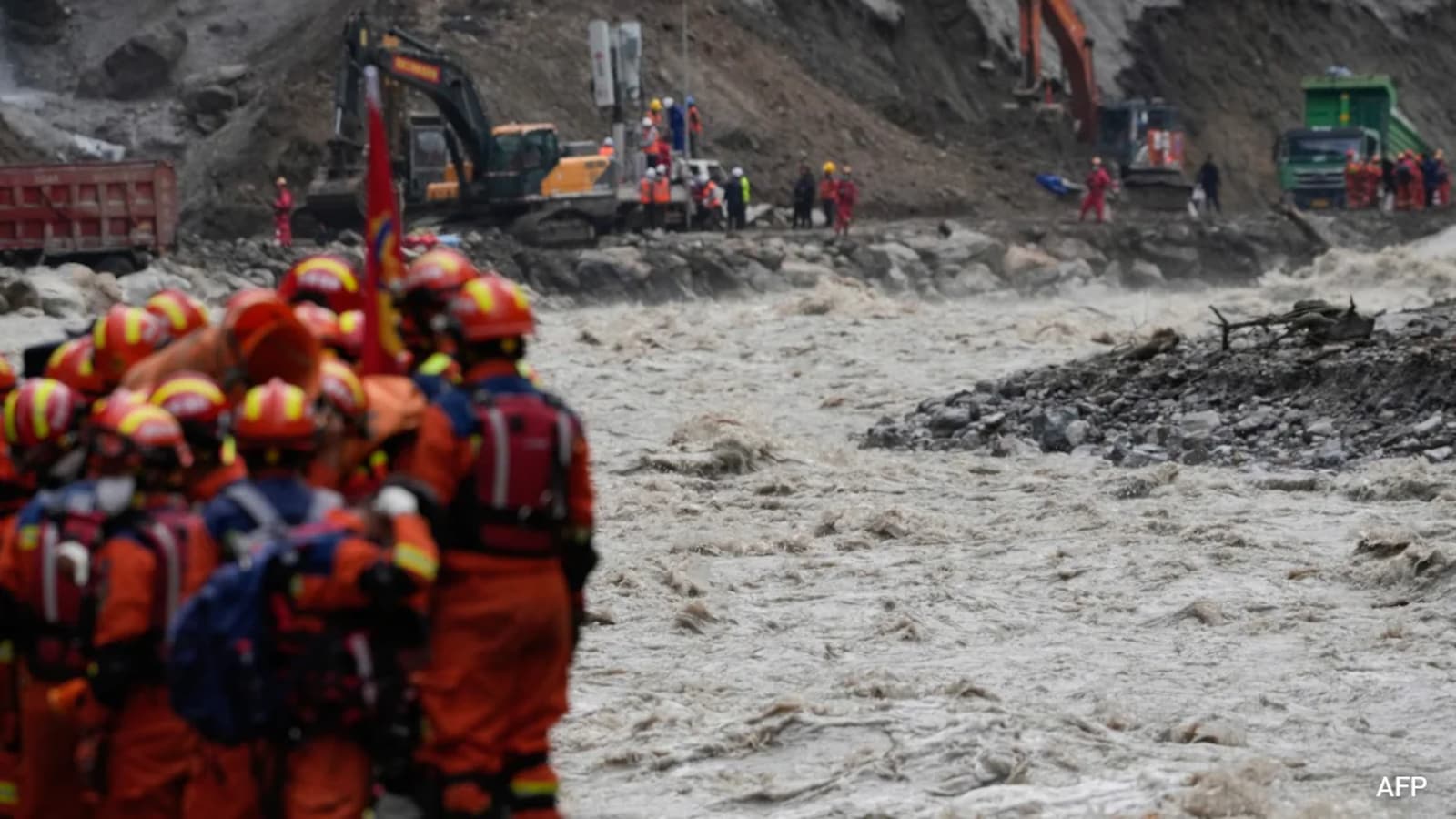
Nepal has requested $20 million from the United Nations’ Loss and Damage Fund after devastating floods caused by a glacial collapse.
The Fund for Responding to Loss and Damage had received $630.99 million by March 2026 but had disbursed no money as of August 2026.
The fund’s contributions are voluntary, while countries submitted requests totaling $2.8 billion against the available resources.
Nepal’s request arrived after the fund’s proposal period had closed and would require navigating an 11-step approval process.
The floods killed more than 1,350 people, left over 6,000 missing, and caused an estimated $4 billion to $7 billion in total losses.
- Who
- The government of Nepal and the United Nations’ Fund for Responding to Loss and Damage are central to the request.
- What
- Nepal requested $20 million in climate compensation after catastrophic floods, while the fund had not yet disbursed money to any country.
- Where
- Nepal, a Himalayan country; the fund was established at COP27 in Sharm el-Sheikh, Egypt.
- When
- Nepal sent its funding request on September 1; the fund responded on September 3. The article says no funds had been disbursed as of August 2026.
- Why
- Nepal says it faces climate-related destruction it did not create and cannot address alone, and is seeking urgent support for the resulting losses.
Emergency Action
Procedural Review
How quickly should money be released?
Emergency Action
Climate finance specialist Jawad Khalid and several fund board members argue that catastrophic disasters require an emergency mechanism and possibly an extraordinary meeting to help Nepal quickly.
Procedural Review
The fund says Nepal’s request must be considered under its Governing Instrument and established decision-making processes, which include technical reviews and board approval.
Should Nepal receive special treatment?
Emergency Action
Nepal argues that the scale of the disaster justifies treating its request as a special case, especially because the governing rules refer to action immediately after an extreme weather event.
Procedural Review
Nepal’s request arrived after the normal proposal-submission period had closed, and the fund’s existing system was designed around a formal, multi-step process rather than immediate payouts.
Key facts
- Requested amount
- $20 million, approximately Rs 191 crore
- Fund
- Fund for Responding to Loss and Damage, established at COP27 in 2022
- Disbursement status
- No money had been released to any country as of August 2026
- Contributions received
- $630.99 million had been transferred by March 2026, from $822.06 million in pledges
- Total funding requests
- 180 requests totaling $2.8 billion were received in November 2025
- Nepal flood toll
- More than 1,350 people killed and over 6,000 missing
- Estimated damage
- Infrastructure damage was put at $2.5 billion, with total losses estimated at $4 billion to $7 billion
Quotes
Fund for Responding to Loss and Damage
UN climate finance fund responding to Nepal’s funding request
“committed to approaching Nepal’s request with the urgency, compassion, and careful consideration that these difficult circumstances require, while respecting the Fund’s Governing Instrument and established decision-making processes”
 indianexpress.com
Jawad Khalid
Climate finance specialist who wrote about the fund for the Lowy Institute
“The problem is that the machinery built to deliver that mandate still operates like a conventional development fund rather than an emergency response mechanism…”
indianexpress.com
Sources
Related news
Nepal’s Climate Compensation Call Tests UN Loss Fund
Nepal Seeks Climate Justice as Reconstruction Costs Reach $5 Billion
UN Loss and Damage Fund Promises Nepal Urgent Flood Support
Nepal Seeks Loss and Damage Compensation After Devastating Floods
Nepal's Climate Grievance Is Valid, But India's Liability Isn't
Nepal Seeks Global Aid After Himalayan Flash Flood Damage