

3 hrs ago
Indian rice prices rise as demand and supply tighten
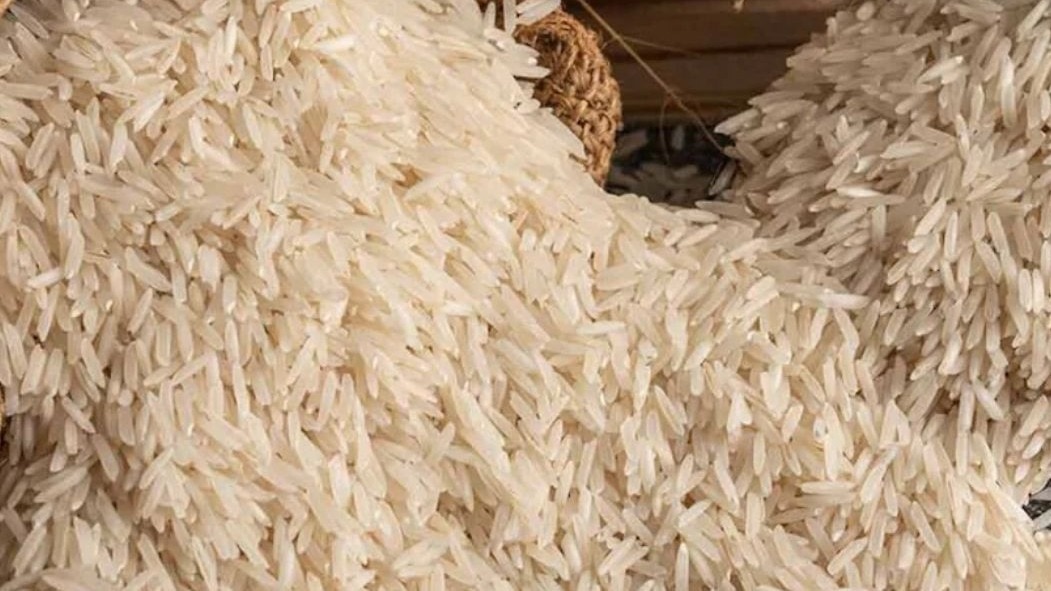
Rice has become more expensive in India.
Basmati rice, often used in biryani, rose to about Rs 100 per kilogram.
Sona Masoori rice also became more expensive.
Countries around the world are buying more rice to protect their food supplies.
Gulf countries are buying large amounts from India.
There is not much old rice left, and the next crop is still two or three months away.
Some government purchases and uneven rainfall are also keeping prices high.
Prices may fall only after new crops arrive and international buying slows.

Basmati rice prices rose to about Rs 100 per kg in the first quarter of FY27, from Rs 85 last year.
Sona Masoori prices increased from Rs 51–52 to Rs 63–64 per kg.
Exporters said countries, especially Gulf nations, are aggressively securing rice supplies.
India exported a record 6.52 million tonnes of basmati rice to 154 countries in FY26.
Prices may remain elevated until the next kharif crop arrives, rainfall improves and overseas demand moderates.
- Who
- Indian rice consumers, exporters, government procurement agencies and overseas buyers, particularly Gulf countries, are involved.
- What
- Basmati and non-basmati rice prices have risen sharply, with reported increases of about 20% and 25%, respectively.
- Where
- The price pressure is centered in India, while export demand is coming from Gulf and other overseas markets.
- When
- The reported comparison covers the first quarter of FY27 against the same period last year; prices are expected to remain elevated in the immediate term.
- Why
- Strong global demand, limited carry-over stocks, government procurement, uneven rainfall and disruptions to Gulf shipping and payments are supporting higher prices.
Export-demand explanation
Domestic-supply explanation
Main cause of higher prices
Export-demand explanation
Exporters said countries are aggressively buying rice to secure food supplies, with Gulf countries purchasing large quantities from India.
Domestic-supply explanation
Other exporters said domestic prices are being driven mainly by tight carry-over stocks, government procurement and uneven rainfall, rather than exports alone.
Meaning of shipping disruptions
Export-demand explanation
High overseas demand remains strong despite payment and shipping problems along the Gulf corridor, creating a backlog of demand.
Domestic-supply explanation
The disruptions have slowed shipments, suggesting that export demand has not fully translated into completed deliveries, while domestic supply remains the immediate constraint.
Key facts
- Basmati price
- About Rs 100 per kg in the first quarter of FY27, compared with Rs 85 per kg a year earlier.
- Sona Masoori price
- Rs 63–64 per kg, up from Rs 51–52 per kg last year.
- India’s FY26 basmati exports
- 6.52 million tonnes shipped to 154 countries.
- Largest buyer
- Saudi Arabia was identified as India’s largest basmati buyer.
- Supply outlook
- The next kharif crop is expected to arrive in roughly two to three months.
- Factors delaying relief
- Strong overseas buying, government procurement, uneven rainfall and Gulf shipping and payment disruptions.
Quotes
Suraj Agarwal
CEO of RiceVilla group, a rice exporting and marketing firm
“Globally, all the countries are trying to secure their food supply. Rice being one of the major staples, they are buying aggressively. The Gulf countries are buying huge quantities of rice from India.”
 businesstoday.in
“The 2025 crop moved faster than anyone expected and there is very little carry-out going into the October arrivals. Domestic prices are being set by that tightness, not by exports.”
businesstoday.in
Sources
Related news
Indian Rice Exporters Pursue Turkey, Jordan Beyond Traditional Markets

Trump Sanctions Threaten India’s Basmati Rice Trade With Iran
US Iran Sanctions Threaten India’s Rice Exports Through UAE
India Faces Double Squeeze on Food Prices

Kharif Crop Prices Seen Strong, Except Bajra and Moong

Mid Cap Stocks: KRBL, Akums, Shakti Pumps Face Challenges
How Everyday Staples Shaped India's Democracy
KRBL Wins ₹403 Crore Bid for Haryana Properties

India Gate Basmati Chair Disputes Director's Exit, Governance Claims
