2 hrs ago
Madras High Court Dismisses AIADMK Plea Over Mekedatu Resolution Amendment
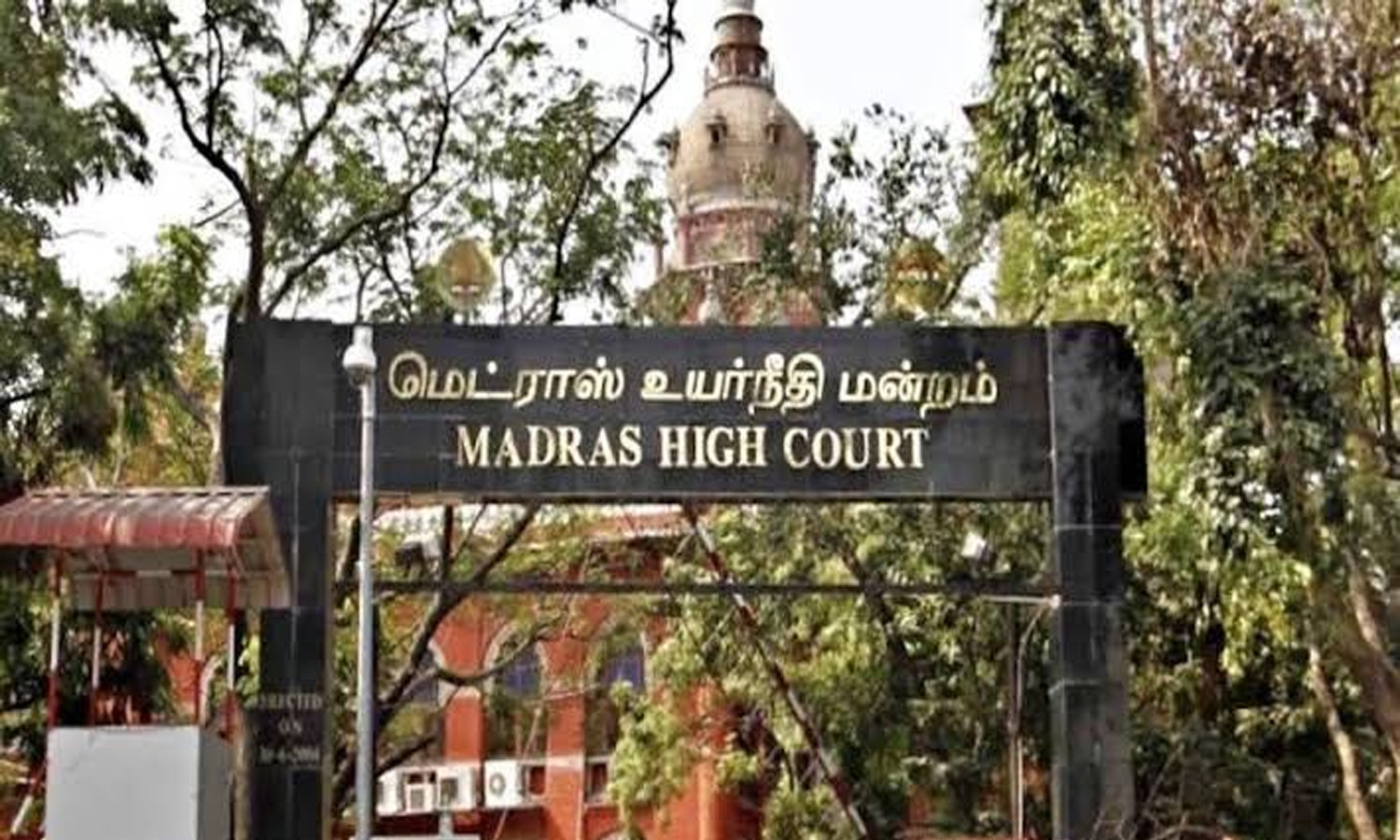
The AIADMK asked the Madras High Court to cancel part of a Tamil Nadu Assembly resolution about the Mekedatu dam.
The resolution opposed Karnataka’s plan to build the dam.
The court rejected the request.
It said lawmakers should have objected when the amendment was being discussed in the Assembly.
Instead, they either supported it or stayed silent.
The court said judges usually should not interfere with the Assembly’s internal procedures.
It also said the case did not show a serious constitutional or legal violation.
Therefore, the petition was dismissed.

The Madras High Court dismissed AIADMK’s petition challenging an amendment to a Tamil Nadu Assembly resolution opposing Karnataka’s Mekedatu dam project.
The court said AIADMK members had not used their opportunity to oppose the amendment inside the Assembly.
The bench held that Article 212 creates a threshold barrier against challenging legislative proceedings for alleged procedural irregularities.
The judges said judicial review is possible only in cases involving serious issues such as lack of jurisdiction, substantive illegality, mala fides or constitutional breaches.
The court noted that the Assembly Speaker has authority under Rule 286 to decide procedural questions arising in the House.
- Who
- The Madras High Court, AIADMK, and the Tamil Nadu Legislative Assembly were involved.
- What
- The court dismissed AIADMK’s petition challenging an amendment to an Assembly resolution opposing the Mekedatu dam.
- Where
- The matter concerned proceedings in the Tamil Nadu Legislative Assembly and was heard by the Madras High Court.
- When
- The dismissal was delivered on Wednesday; the article does not provide a date.
- Why
- The court said the petitioners had not objected to the amendment in the Assembly and had not shown a serious constitutional or legal violation.
AIADMK’s Position
Court’s Position
Challenge to the amendment
AIADMK’s Position
AIADMK challenged the inclusion of an amendment in the Assembly resolution concerning Karnataka’s proposed Mekedatu dam.
Court’s Position
The court said the challenge could not proceed because members had an opportunity to object during the Assembly proceedings but did not do so.
Judicial review of legislative procedure
AIADMK’s Position
AIADMK sought court intervention over the Assembly’s handling of the resolution and its amendment.
Court’s Position
The court said Article 212 protects State Legislature proceedings from challenges based on procedural irregularities, subject to exceptional serious violations.
Effect of silence or support
AIADMK’s Position
AIADMK argued that the disputed amendment should be reviewed despite what occurred during the Assembly session.
Court’s Position
The judges said members who voted “Aye” or remained silent could not later ask the court to treat that silence as a nullity.
Key facts
- Court
- Madras High Court
- Petitioner
- AIADMK
- Issue
- An amendment to a Tamil Nadu Assembly resolution opposing the Mekedatu dam
- Dam project
- A proposed dam in Karnataka
- Constitutional provision
- Article 212, concerning challenges to State Legislature proceedings
- Assembly rule
- Rule 286 gives the Tamil Nadu Assembly Speaker authority over procedural questions
- Judicial bench
- Chief Justice Sushrut Arvind Dharmadhikari and Justice G. Arul Murugan
Quotes

Madras High Court bench
The bench comprising Chief Justice Sushrut Arvind Dharmadhikari and Justice G. Arul Murugan hearing the petition.
“Article 212(1) of the Constitution of India provides that the validity of any proceeding in the Legislature of a State shall not be called in question on the ground of any alleged irregularity of procedure.”
 deccanchronicle.com
“The Court must tread with caution and judicial restraint, because the High Court is not an appellate body over the State Legislature, nor is the State Legislature an inferior organ to the High Court.”
deccanchronicle.com
Sources
Related news

Vijay to Seek Centre Approval for Tamil in High Courts

Madras High Court sets August 27 deadline in election cases

Madras High Court Rejects Stalin’s Kolathur Election Challenge
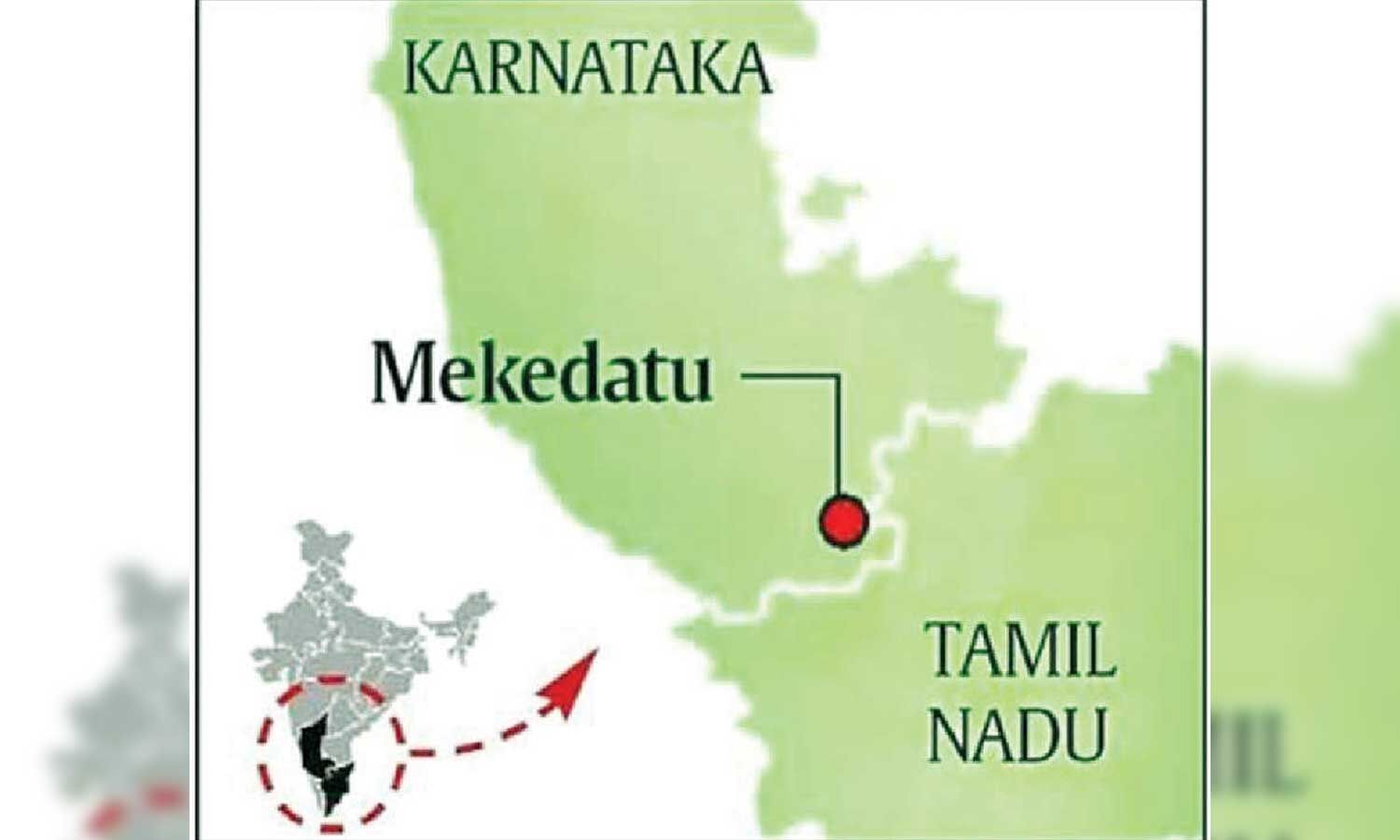
Puducherry Assembly unanimously opposes Karnataka’s proposed Mekedatu dam project

Madras High Court Declines Stay on Maduranthagam, Dharapuram Bypolls

Tamil Nadu Assembly Seeks Tamil as Madras High Court Language

BJP Spent Rs 529 Crore on Five Assembly Elections
EPS Alleges Five Lakh Paddy Bags Soaked in Rains

TVK Needs Major Swing to Challenge AIADMK in Dharapuram

Minister Defends Proposed New Tamil Nadu Assembly Secretariat Complex