4 hrs ago
Supreme Court May Defer Legislative Privilege and Free Speech Ruling
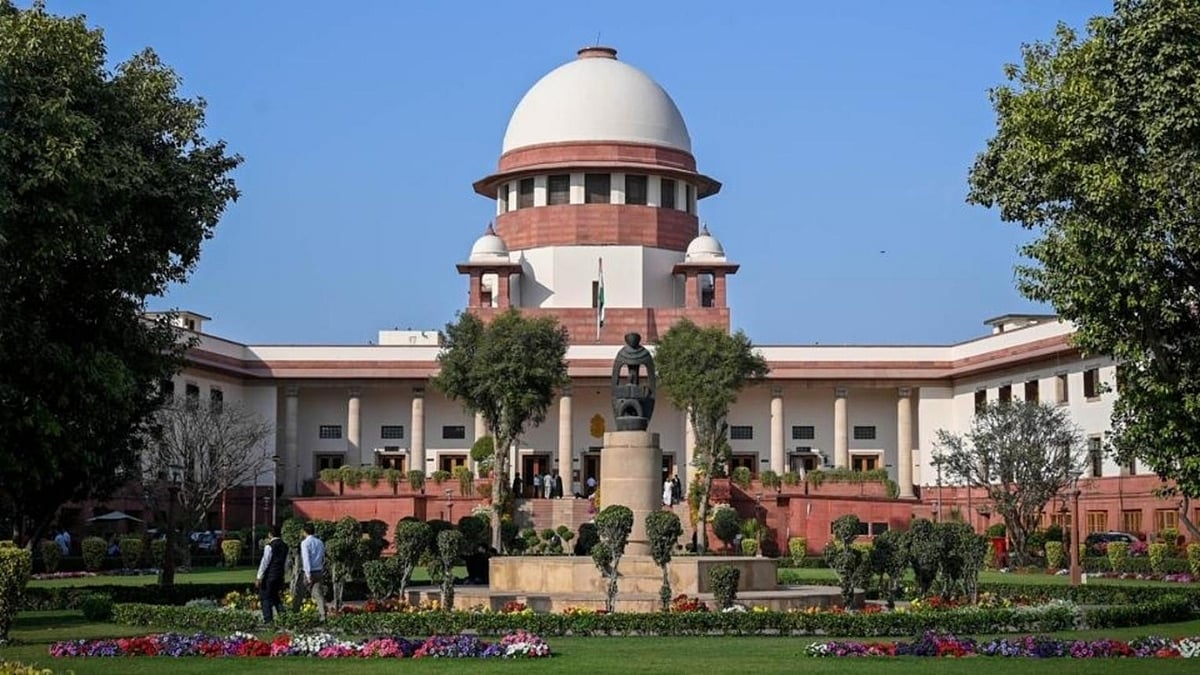
The Supreme Court is considering a case about the powers of state legislatures and people’s right to speak freely.
The case began after the Tamil Nadu Assembly punished five journalists for reporting critically about the government.
The Assembly later withdrew the resolution connected to the case in 2004.
Because of that, the court may decide there is no longer a live dispute to resolve.
The Chief Justice suggested the court could end this case for now.
He also said the bigger questions could be considered in a future case.
Kapil Sibal argued that those bigger questions still matter.
The court was expected to hear the matter briefly on Tuesday.

The Supreme Court indicated it may end the current proceedings because the Tamil Nadu Assembly resolution at their centre was withdrawn in 2004.
Chief Justice Surya Kant said the seven-judge Bench could hear the matter briefly on Tuesday and leave broader constitutional questions open.
Tamil Nadu Assembly counsel Raju Ramachandran said the Assembly would argue that the dispute had become academic.
Kapil Sibal argued that although the original dispute may be over, the larger questions remain significant.
The case began after the Assembly sentenced five Hindu journalists to 15 days’ imprisonment in 2003 over critical reports and an editorial.
- Who
- The Supreme Court’s seven-judge Constitution Bench; the case concerns the Tamil Nadu Assembly and journalists from The Hindu.
- What
- The court may end the current proceedings without deciding broader questions about legislative privilege and freedom of speech.
- Where
- The Supreme Court of India; the original dispute involved the Tamil Nadu Assembly.
- When
- The court indicated this on Monday and said it would hear the matter briefly on Tuesday; the original dispute arose in 2003, and the resolution was withdrawn in 2004.
- Why
- The Assembly resolution behind the case was withdrawn, prompting an argument that the dispute is academic, though the wider constitutional questions remain contested.
End Current Proceedings
Keep Broader Questions Open
Whether the current dispute remains live
End Current Proceedings
Tamil Nadu Assembly counsel said the underlying resolution had been withdrawn in 2004 and the Assembly would argue that the matter had become academic. The Attorney General and Solicitor General agreed it may be academic.
Keep Broader Questions Open
Kapil Sibal accepted that the particular dispute may be over but argued that the wider constitutional questions remain alive and significant.
Timing of constitutional review
End Current Proceedings
Chief Justice Surya Kant suggested the court could dispose of the present proceedings and use its time for live issues.
Keep Broader Questions Open
The broader questions could still be considered in a future live case, leaving their significance unresolved for now.
Key facts
- Bench
- Seven-judge Constitution Bench
- Original dispute
- Tamil Nadu Assembly action against The Hindu journalists in 2003
- Assembly resolution
- Withdrawn in 2004, according to counsel for the Assembly
- Journalists sentenced
- Five were sentenced to 15 days’ simple imprisonment
- Constitutional provisions at issue
- Articles 105, 194 and 19(1)(a)
- Possible next step
- A brief hearing on Tuesday, potentially followed by disposal of the current proceedings with larger questions left open
Quotes
Chief Justice Surya Kant
Chief Justice of India who leads the seven-judge Constitution Bench
“Our suggestion will also be in this that if the issue is merely academic, it can be disposed of for the present. We will rather wait for an occasion to come and this very time, we can utilise in adjudicating some other live issues.”
 freepressjournal.in
“This particular issue is dead while the larger issues could still be alive. The issue is of great significance.”
freepressjournal.in
Sources
Related news
Interveners ask Supreme Court to clarify MLAs’ legislative privileges
Kunal Kamra Seeks Supreme Court Intervention in Privilege Case
Parliament Panel Delays Supreme Court Visit Over Election Bills

Supreme Court Cancels Parliament Panel Meeting on Simultaneous Elections
Supreme Court Flags Delay in Rebel TMC MPs’ Disqualification
Waheed Para files privilege motion over J&K statehood debate

Supreme Court Seeks 24-Hour Monitoring to Improve Delhi Safety
Supreme Court Urges Delhi Police to Create Fear of Law
Calcutta High Court Extends Mahua Moitra Security Protection

Supreme Court Seeks Bengal Response on Mahua Moitra Protection Plea