1 hr ago
Ali Lokhandwala Builds 80-Product Amazon Business After Early Failure
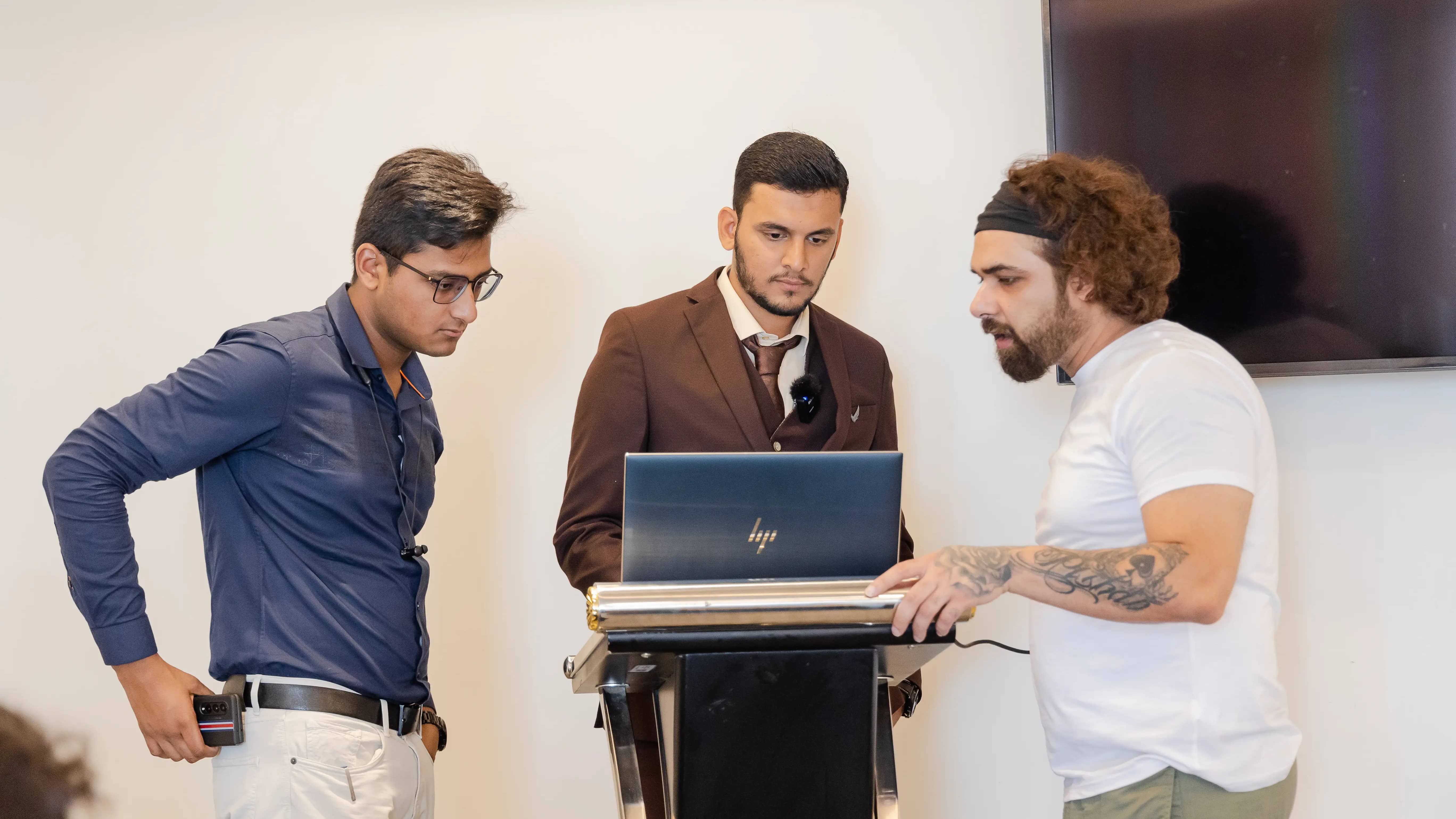
Ali Lokhandwala began selling on Amazon when he was 18.
He spent about ₹2 lakh on crop tops, but nobody bought them.
He learned that a product can get lost when many sellers offer the same thing.
Later, he faced problems with copied products, small profits, imports and suppliers.
He changed his approach by choosing more expensive products that he could improve and sell under his own brands.
He also began teaching other sellers in 2022.
By September 2026, his business had more than 80 products.
The company reported about ₹3.5 crore in monthly revenue in the 2025–26 financial year.

Lokhandwala invested about ₹2 lakh in crop tops in 2017, but the product made no sales.
After facing copycats, thin margins, import delays and supplier problems, he developed stricter product and sourcing checks.
In 2021–22, he shifted from low-priced goods to higher-priced products with improvements, sold under his registered brands.
As of September 2026, the Morbi-headquartered business had more than 80 live products and reported about ₹3.5 crore monthly revenue in FY 2025–26.
The company says Lokhandwala has trained more than 15,000 sellers, whose businesses generated over ₹200 crore in combined revenue.
- Who
- Ali Lokhandwala, a Gujarat-based Amazon private-label seller and e-commerce mentor.
- What
- He grew from an unsuccessful first product to a business with more than 80 live products and also trains sellers.
- Where
- He started as a college student in Rajkot; his business is headquartered in Morbi, Gujarat.
- When
- He began selling in 2017, shifted strategy in 2021–22, and began teaching in 2022; current figures are stated as of September 2026.
- Why
- He moved toward higher-priced, differentiated products to avoid competing solely on price and to allow more room for fees and advertising costs.
Earlier approach
Later approach
Product selection
Earlier approach
Lokhandwala's early crop tops were inexpensive and widely searched, but similar listings crowded the market.
Later approach
He later chose higher-priced products that could be improved through better materials, added features or more useful bundles.
Competition and investment
Earlier approach
Low-priced goods faced copying and price wars, with thin margins and little room for advertising or mistakes.
Later approach
Higher prices and registered brands gave more room to absorb fees and advertising costs and made copying harder, but required larger stock investments.
Key facts
- First product
- Crop tops, launched in 2017
- Initial investment
- About ₹2 lakh
- First-product sales
- Zero
- Current catalogue
- More than 80 live products as of September 2026
- Reported monthly revenue
- About ₹3.5 crore in FY 2025–26, according to the company
- Seller training
- More than 15,000 sellers trained
- Combined student-business revenue
- More than ₹200 crore, according to the company
Quotes
Ali Lokhandwala
Gujarat-based Amazon private label seller and e-commerce mentor
“I didn’t fail because Amazon was hard. I failed because I picked a product nobody had a reason to buy from me. That is still the most common mistake I see.”
 republicworld.com
“The ₹2 lakh I lost was the cheapest education I have had. The expensive mistakes came later, when I had more money and still hadn’t learned the lesson.”
republicworld.com
Sources
Related news

Amazon Expands Bazaar as Affordable Shopping Platform Across India

Amazon Bazaar sees eightfold growth beyond India’s major cities

Young Indian founders build businesses before turning twenty-five
Bengal Sellers Expand Reach Through Flipkart’s Online Marketplace

Chinese Trader’s Remarks About Indian Buyers Draw Online Debate

Free Facebook Find Turns Car Dweller Into Viral Entrepreneur

Uttar Pradesh Claims Top Spot in Rooftop Solar Installations
Vaghela’s Caste Remark Revives Gujarat’s 2027 Political Calculations

Dharampur Ashram Offers Spirituality, Sports, Animal Care and Service

Scabies Remains Neglected Despite Widespread Suffering in Vulnerable Communities