1 hr ago
How Iran and UAE Reached BRICS War Consensus
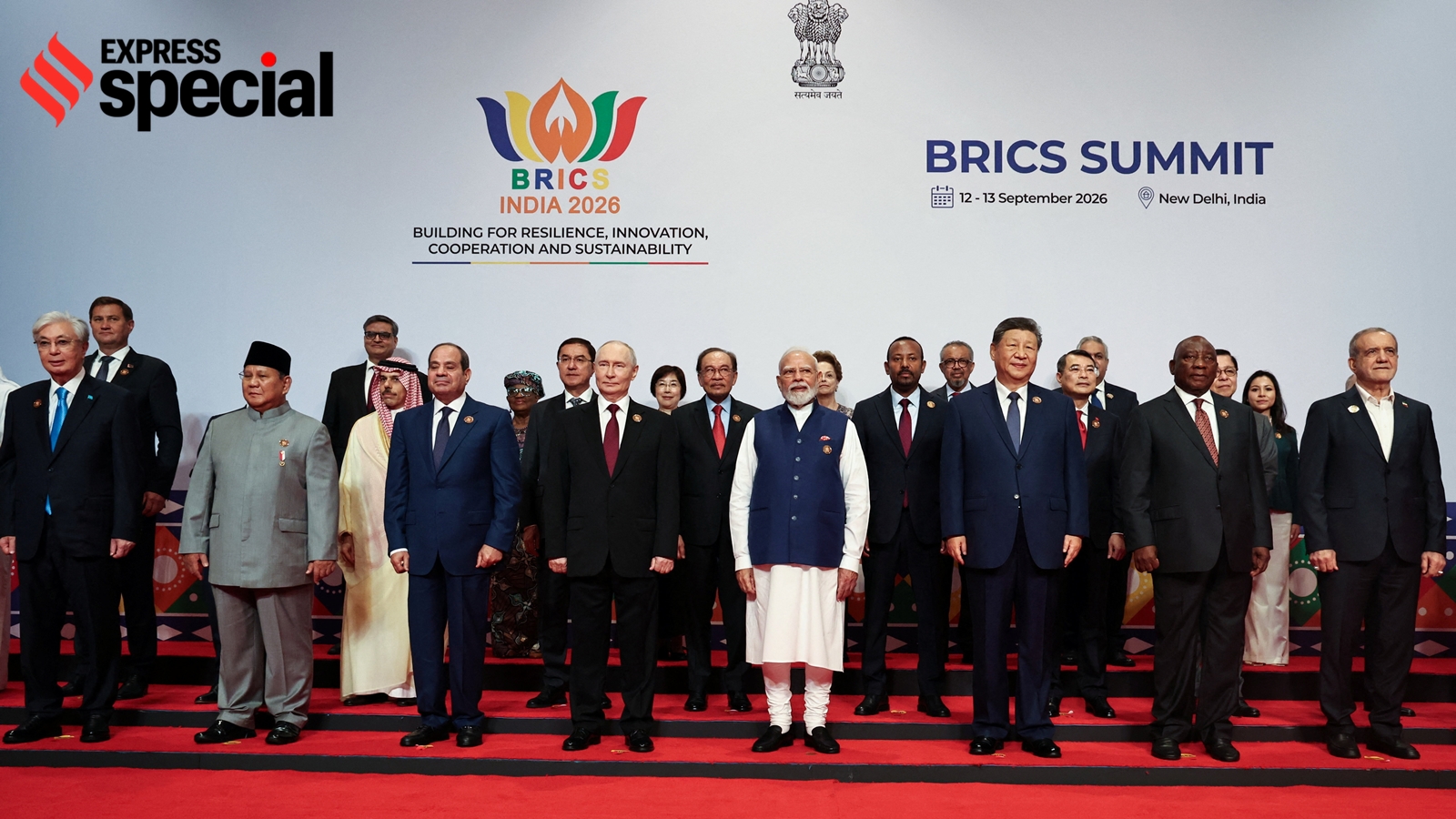
India wanted the BRICS countries to agree on a statement about the war in West Asia.
Iran and the United Arab Emirates had different views and initially could not agree.
A temporary ceasefire created a chance for diplomats to negotiate.
Indian officials spoke with leaders and diplomats from both countries.
The talks continued for almost 100 hours.
China and Russia helped persuade the UAE to accept the final wording.
Egypt and Brazil also supported the discussions.
The statement did not name either the United States or Iran.
Instead, it called for restraint, protection of civilians, respect for countries’ borders, and more diplomacy.
The agreement was reached even though both Iran and the UAE kept their own national positions.

India’s diplomats negotiated for nearly 100 hours to secure BRICS consensus on West Asia.
A 60-day US-Iran ceasefire created an opportunity for India to pursue agreement between Iran and the UAE.
Prime Minister Narendra Modi and senior Indian officials held discussions with leaders and counterparts in Iran and the UAE.
China and Russia pressed the UAE to accept compromise language, while Egypt and Brazil supported efforts involving both sides.
The final declaration called for restraint, civilian protection, respect for sovereignty, dialogue, and uninterrupted trade and energy flows.
- Who
- Indian diplomats, Iran, the United Arab Emirates, and other BRICS members, with China, Russia, Egypt, and Brazil playing supporting roles.
- What
- They reached a compromise paragraph for the BRICS joint declaration on the West Asia conflict.
- Where
- The negotiations were conducted through contacts among capitals, with final wording discussed in New Delhi.
- When
- Negotiations intensified after the 60-day ceasefire and concluded during the BRICS summit described in the article.
- Why
- The participants sought to avoid a failed joint declaration, reduce tensions, and preserve BRICS consensus despite opposing Iranian and Emirati positions.
Iran’s Position
UAE’s Position
Accepting compromise language
Iran’s Position
Iran eventually agreed to go further, saying it should not be blamed for a war started by the Americans, while seeking discussion at the leaders’ level.
UAE’s Position
The UAE was initially less enthusiastic and insisted on language recognizing territorial sovereignty and protecting civilians and civilian infrastructure.
Core concerns in the declaration
Iran’s Position
Iran accepted wording that did not name either the United States or Iran and preserved members’ respective national positions.
UAE’s Position
The UAE’s concerns were reflected through references to sovereignty, territorial integrity, civilian protection, and infrastructure, amid the article’s account of Iranian strikes on UAE cities.
Key facts
- Negotiating period
- Nearly 100 hours of final, down-to-the-wire negotiations
- Ceasefire window
- A 60-day ceasefire between the United States and Iran created an opportunity for diplomacy
- Key Indian negotiator
- BRICS Sherpa Sudhakar Dalela led the negotiating effort with the Ministry of External Affairs’ Multilateral Economic Relations division
- Key leaders involved
- Narendra Modi, Masoud Pezeshkian, and Mohamed bin Zayed discussed the consensus effort
- External support
- China and Russia pressed the UAE to accept the compromise language; Egypt and Brazil supported both sides
- Final declaration
- Paragraph 28 called for maximum restraint, civilian protection, respect for sovereignty, dialogue, and stable trade, supply chains, and energy flows
Quotes
An unnamed diplomat involved in the negotiations
A diplomat familiar with the BRICS negotiations
“We express deep concern over the continued escalation of tensions in Middle East/West Asia and, recalling our respective national positions, call for exercising maximum restraint, as well as avoiding actions that could further aggravate the situation.”
 indianexpress.com
“That would have been portrayed by Western countries as a failure. So it was in the interest of both UAE and Iran, and China and Russia helped in convincing them.”
indianexpress.com
Sources
Related news

BRICS Nations Reach Consensus on Iran War, Declaration Nears

Iran-UAE Rift Clouds BRICS Summit as India Seeks Consensus
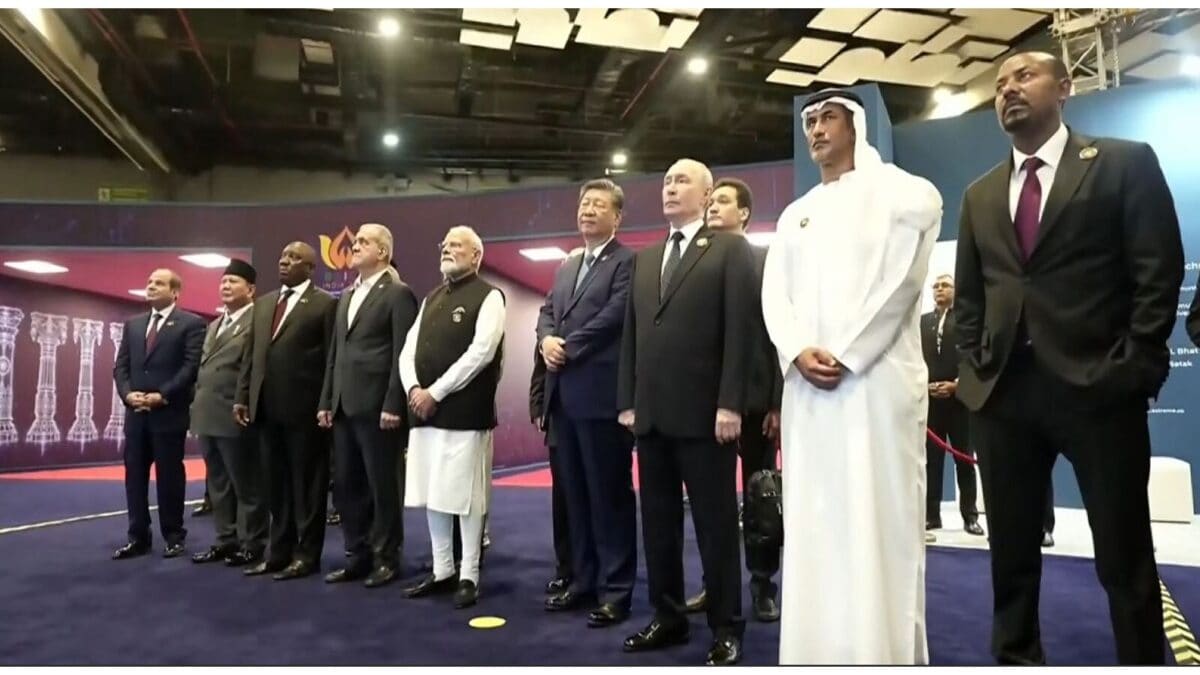
India Secures Unanimous BRICS Declaration After Overnight Diplomacy

BRICS Reaches Reported Consensus After India-Led Talks Until 4 AM

BRICS Sherpas Seek Consensus as West Asia War Deepens
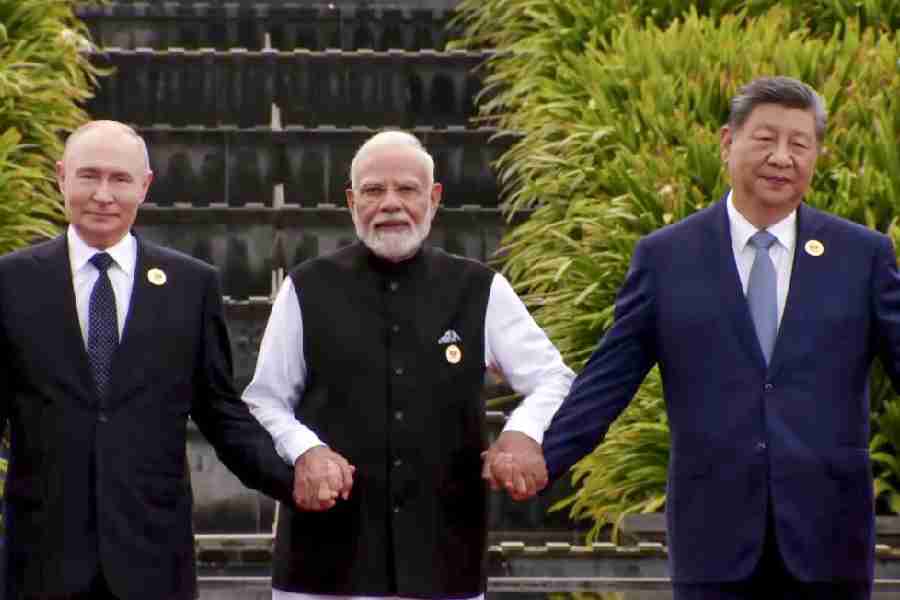
BRICS Reaches New Delhi Consensus Despite Iran-UAE Divisions
Modi Warns Against Weaponising Critical Minerals at BRICS

Textiles Seen as Key to India’s Mass Job Creation
Modi’s Russia and China Bilaterals Strengthen BRICS
Modi’s BRICS Silence Sparks Debate Over India’s Foreign Policy