1 hr ago
Textiles Seen as Key to India’s Mass Job Creation
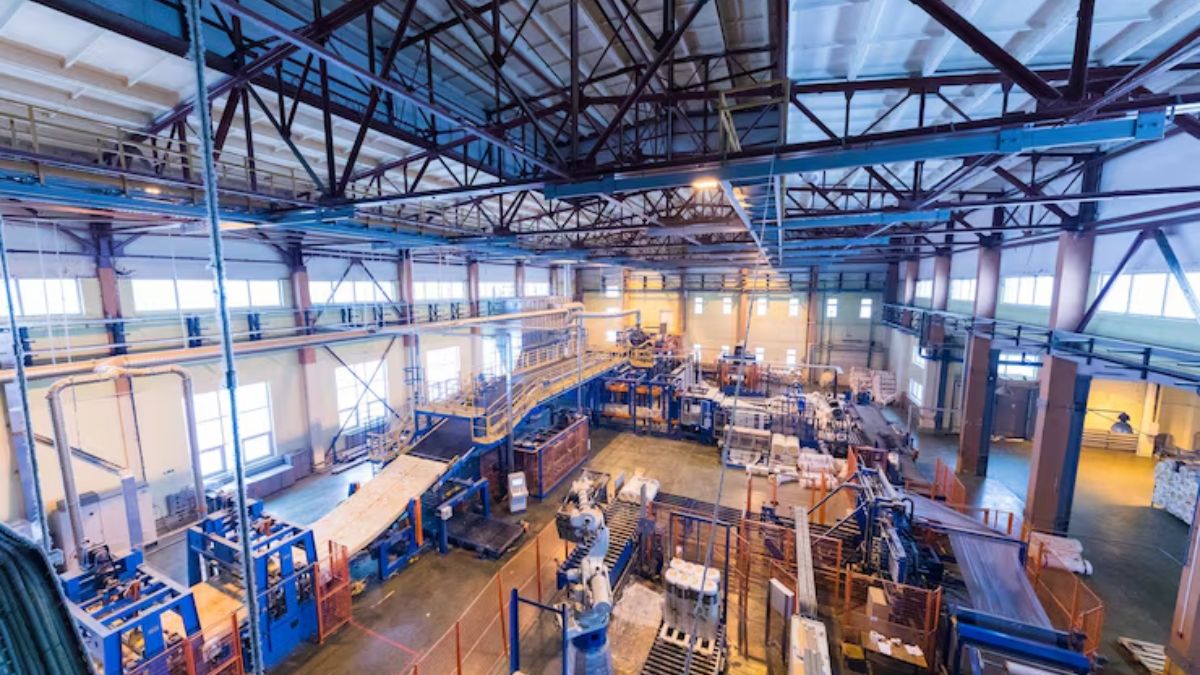
India needs many more good, stable jobs for its growing workforce.
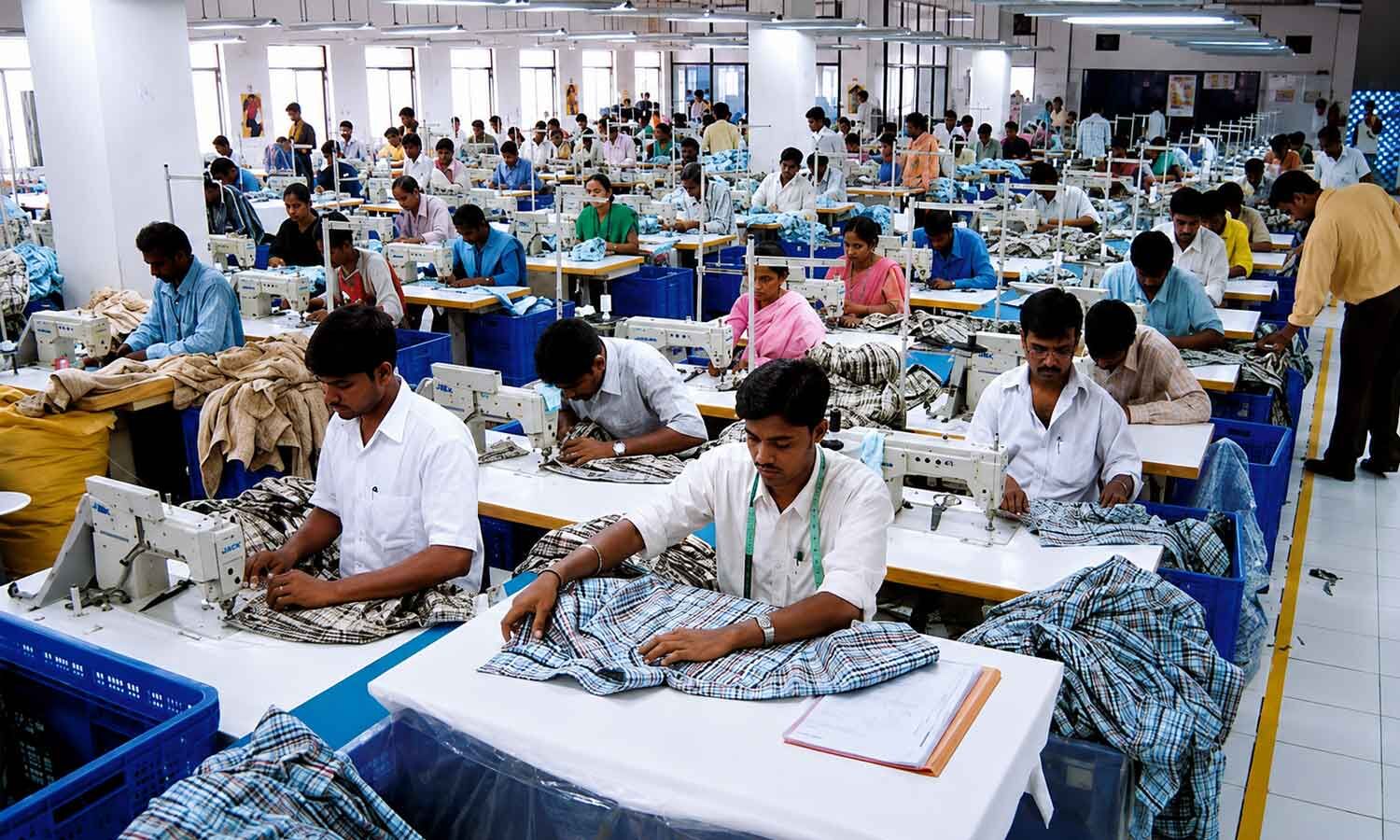
The authors say textiles and clothing could help because factories can employ many people.
The sector can also employ women and train workers for some jobs in about 60 days.
India wants to increase textile and clothing exports to $100 billion by 2030.
However, exporters told the authors that this goal may be reached closer to 2035.
Tiruppur in Tamil Nadu shows how a strong network of businesses can create jobs and exports.
Many companies there work together on yarn, dyeing, stitching, packaging, and shipping.
The authors say India should build more clusters like Tiruppur while also investing in advanced technologies.

India’s manufacturing sector employed 12.1% of workers in 2025, compared with 43% in agriculture.
The authors identify textiles and apparel as a labour-intensive sector capable of creating formal jobs, especially for women.
India aims to raise textiles and apparel exports from $36 billion to $100 billion by 2030, though exporters surveyed by the authors consider 2035 more realistic.
Tiruppur’s knitwear cluster generated $5.3 billion in exports in 2024-25 and supports more than one million livelihoods.
The authors say India needs faster development of textile clusters and PM MITRA parks to expand exports and employment.
- Who
- The article’s authors, Ashok Gulati and Sulakshana Rao of ICRIER, discuss India’s manufacturing and employment needs, including the role of Prime Minister Narendra Modi’s government.
- What
- The authors argue that textiles and apparel should receive special attention as a major source of formal, large-scale employment and export growth.
- Where
- The focus is India, with Tiruppur presented as a leading example of a successful textile and apparel cluster.
- When
- The discussion follows Prime Minister Narendra Modi’s Independence Day address and uses employment data from 2025; the export target is set for 2030.
- Why
- India needs to shift workers from agriculture and informal employment into more productive, regular jobs with social-security benefits.
Labour-Intensive Manufacturing
Advanced Technology
Main route to mass employment
Labour-Intensive Manufacturing
The authors argue that textiles and apparel can create jobs at scale, employ women, and train workers relatively quickly, making the sector suitable for much of India’s workforce.
Advanced Technology
The article says chip-making, artificial intelligence, and other advanced technologies are important for India’s future, but primarily serve highly skilled workers and therefore may not create jobs for the majority of the labour force.
Investment priority
Labour-Intensive Manufacturing
The authors call for special attention to textiles and apparel, faster execution of textile parks, and stronger ecosystems around manufacturing clusters.
Advanced Technology
The article does not reject advanced technologies, but presents them as complementary priorities rather than the main immediate solution to India’s mass formal-employment challenge.
Key facts
- India’s employment structure
- Agriculture accounted for 43% of employment among people aged 15 and above in 2025, while manufacturing accounted for 12.1%.
- Youth unemployment
- Unemployment among people aged 15-29 was 9.9%, rising to 13.6% in urban India.
- Textile export target
- India aims to increase textiles and apparel exports from $36 billion currently to $100 billion by 2030.
- Apparel export target
- Apparel exports are targeted to rise from $15.7 billion to $40 billion.
- Tiruppur exports
- Tiruppur’s knitwear exports increased from $3.3 billion in 2020-21 to $5.3 billion in 2024-25.
- Tiruppur workforce
- The cluster supports livelihoods for more than one million workers, about 70% of whom are women.
- PM MITRA parks
- Seven PM MITRA parks were announced in 2021, but the article says only the Warangal park was operational at the time of writing.
Sources
Related news
India’s Apparel Industry Faces Scale Challenge in Export Push
India’s Manufacturing Sector Struggles to Create Enough Jobs

Maharashtra Unveils ‘Farm to Foreign’ Plan to Boost Textile Exports
Tamil Nadu Leads India’s Manufacturing Factories and Jobs

Tamil Nadu’s Next Growth Phase Targets Value Over Volume
Uttar Pradesh Charts Textile Roadmap to Become Global Hub

Bangladesh Seeks Reset of Bilateral Relations With India

India Reclaim Women’s Asia Cup Crown for Record Eighth Title

India Complete Unbeaten Run To Eighth Women’s Asia Cup Title
India Keeps Door Open to Normalise Bangladesh Ties