17 hrs ago
G20 Ministers Debate Possible Changes to MFN Trade Rule
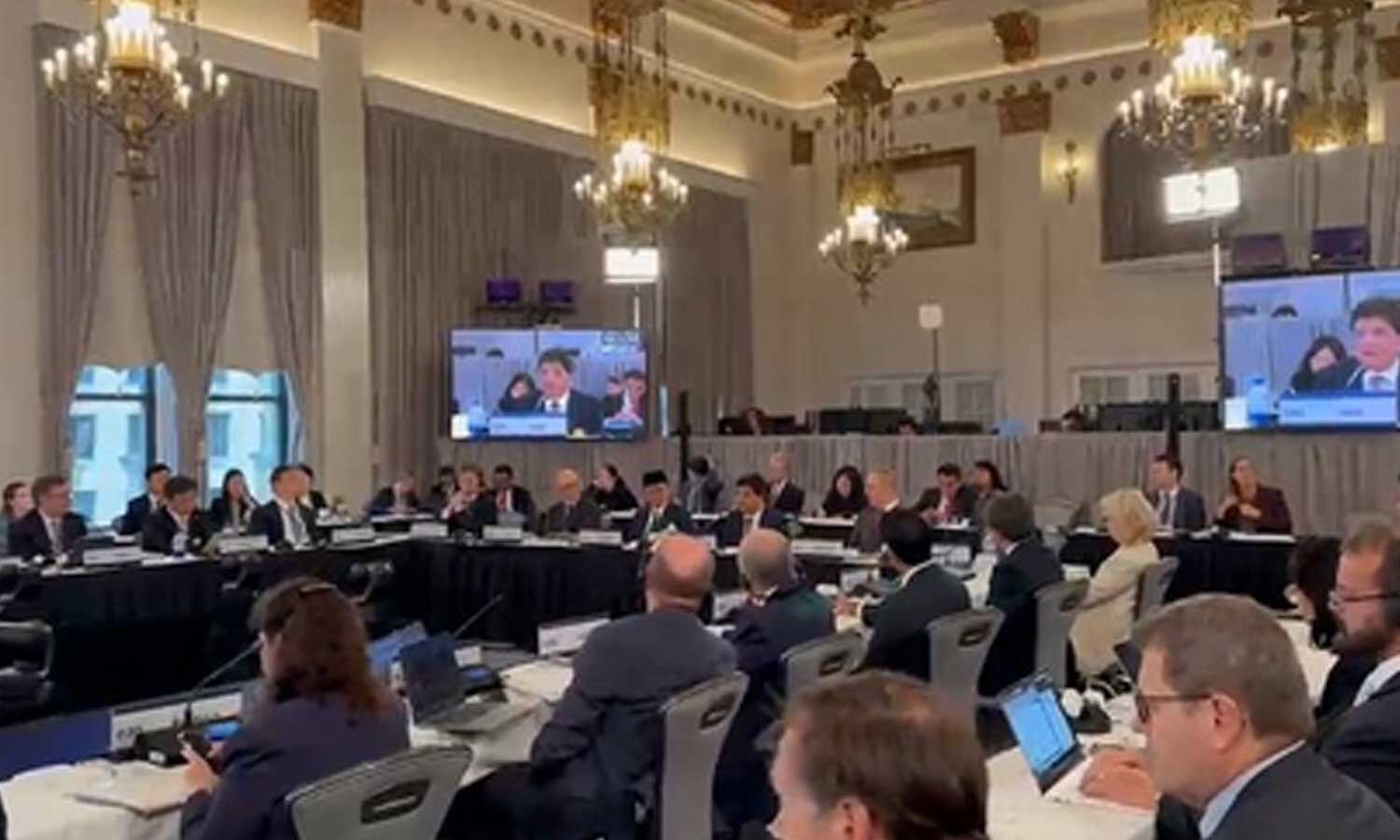
G20 trade ministers met in Milwaukee to talk about a rule called Most-Favoured Nation, or MFN.
The rule generally means that a trade benefit given to one World Trade Organization member must also be given to other members, with some exceptions.
The United States said the rule may make it harder to respond to trade practices it considers unfair.
Many countries said MFN remains an important foundation for world trade.
Some members were open to changing how the rule works or using its exceptions differently.
They also discussed agreements that would give benefits only to countries taking part in them.
Ministers did not agree to change the rule.
Their chair said the discussion was only the start of a broader debate.

G20 trade ministers discussed whether and how to change the Most-Favoured Nation principle at a Sept. 30-Oct. 1 meeting in Milwaukee.
The United States argued that MFN can hinder efforts to address perceived unfair trade practices and promote reciprocity.
Many members called MFN a cornerstone of multilateral trade, while others said its operation could merit review.
Proposals included targeted changes, broader exceptions, legal interpretations, review of GATT Article XXIV, and closed plurilateral agreements.
The discussions produced no agreement to change MFN; the chair described them as the beginning of further deliberations.
- Who
- G20 trade ministers, including the United States under its G20 presidency.
- What
- Ministers debated possible changes to the Most-Favoured Nation principle and discussed other trade priorities.
- Where
- Milwaukee.
- When
- Sept. 30-Oct. 1; the year is not specified for the meeting in the article.
- Why
- The United States argued that MFN may impede reciprocity and responses to perceived unfair trade practices; members also discussed economic security and other reasons for differentiating among trading partners.
Support preserving MFN
Open to reforming MFN
MFN's role in multilateral trade
Support preserving MFN
Many members described MFN as a cornerstone of the multilateral trading system.
Open to reforming MFN
Other members saw merit in reviewing how MFN has evolved and considering improvements.
Differentiating among trading partners
Support preserving MFN
The discussions included support for retaining the general MFN approach to extending trade advantages across WTO members.
Open to reforming MFN
Some members said different treatment could be justified by economic security, an unlevel playing field, value-based standards, or the development of high-standard marketplaces.
Possible reforms
Support preserving MFN
The meeting did not agree to change MFN, and the chair's statement characterized the talks as the start of deliberations.
Open to reforming MFN
Proposals included targeted changes, expanded exceptions, legal interpretations, reviewing GATT Article XXIV, closed plurilateral agreements, and faster, more automatic trade remedies.
Key facts
- Meeting
- G20 trade ministers' meeting
- Location
- Milwaukee
- Dates
- Sept. 30-Oct. 1
- Trade principle
- Most-Favoured Nation (MFN)
- Outcome
- No agreement to change MFN; discussions were described as the beginning of a process.
- Other priorities
- Weaponisation of food through coercive trade measures, structural excess capacity and production, and eliminating forced labour in global supply chains.
- Presidency handover
- The United States holds the G20 presidency in 2026; the chair's statement said the United Kingdom would assume it in 2027.
Quotes

Jamieson Greer
US Trade Representative
“I’m encouraged that members across the development spectrum indicated that they see merit in considering how the MFN principle might be improved to address today’s global trade environment,”
 thehansindia.com
G20 chair’s statement
Statement summarizing the Milwaukee ministerial discussions
“Overall, the wide range of views expressed by G20 members underscored that these sessions marked the beginning of a serious and necessary deliberation about MFN reform,”
thehansindia.com
Sources
Related news
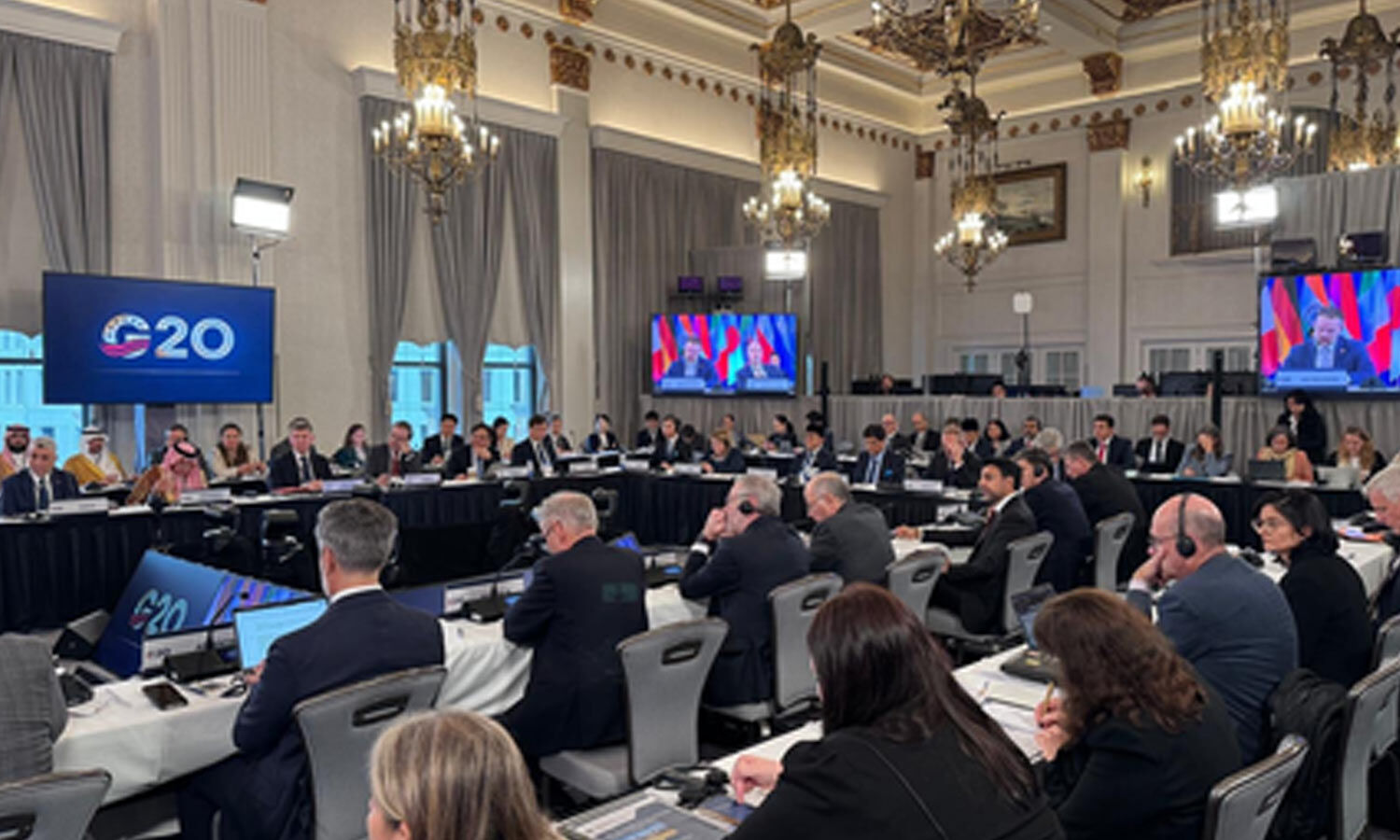
US Challenges Most-Favoured-Nation Principle at G20 Trade Talks
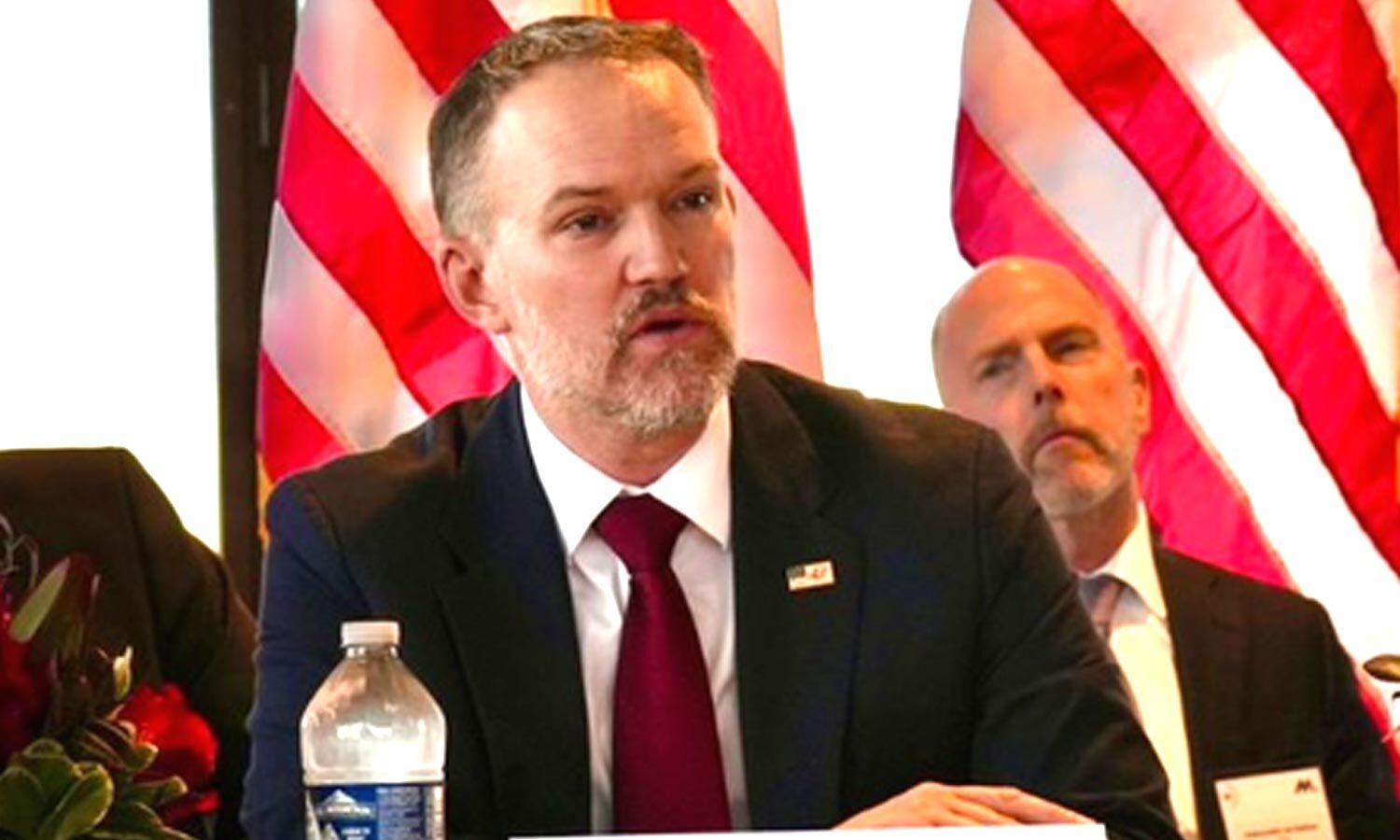
Greer urges G20 to build a new global trading order
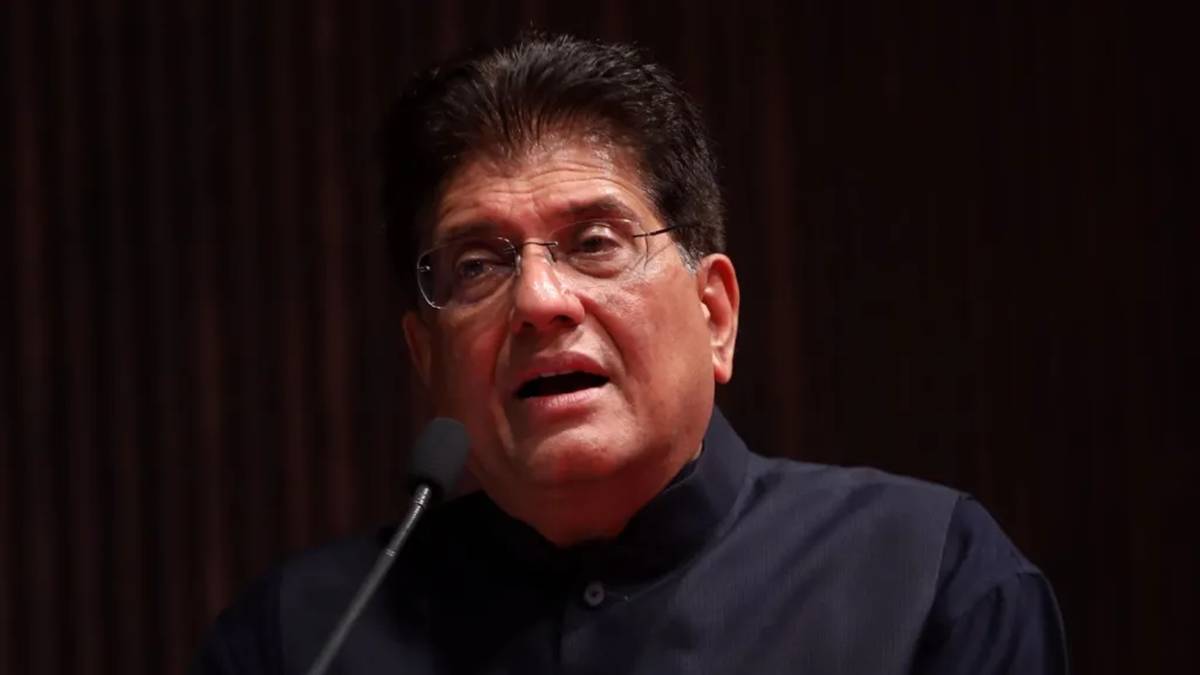
Goyal-Greer Talks Aim To Advance Interim India-US Trade Deal

Goyal Urges WTO-Compliant Responses to G20 Trade Distortions
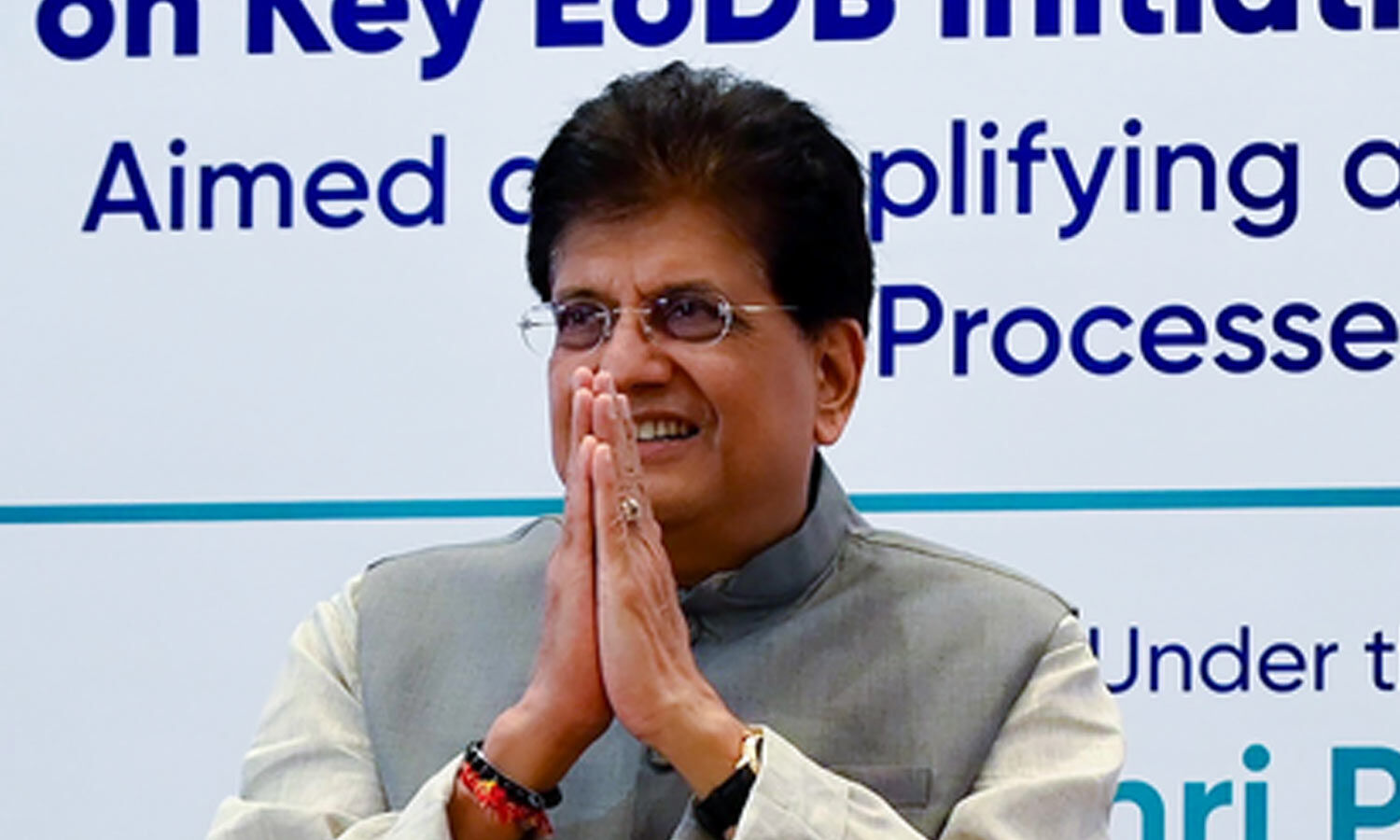
Goyal Leads India at G20 Trade Talks Amid US Deal
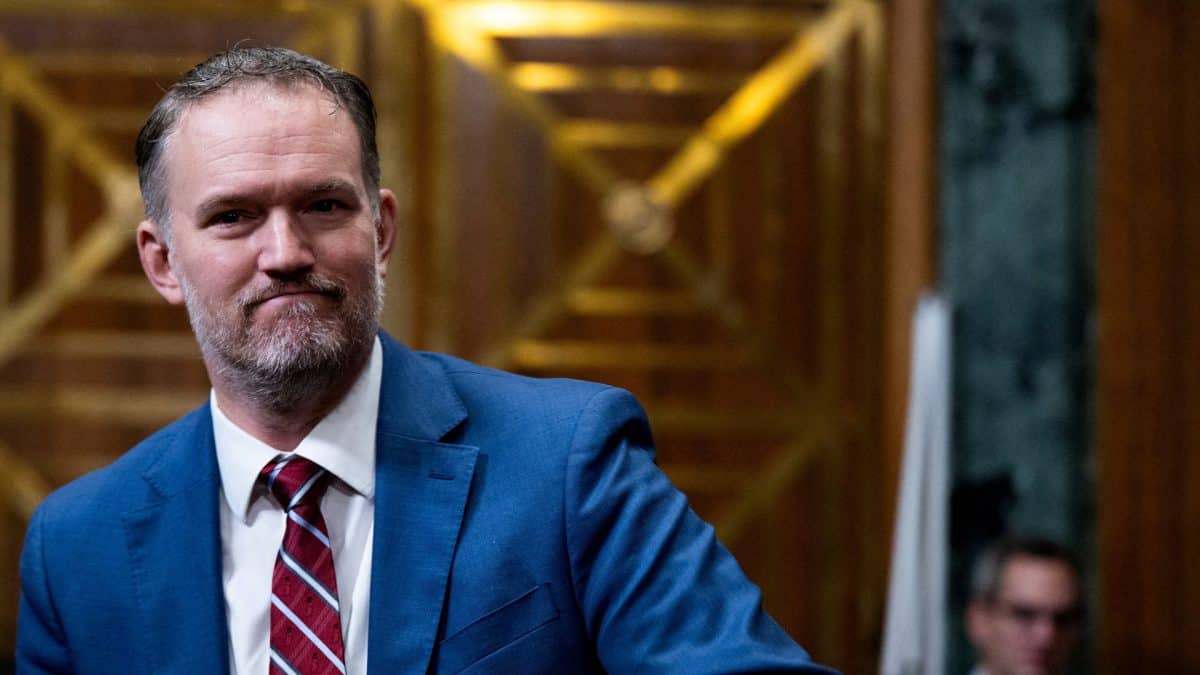
G20 Trade Chiefs Split Over Industrial Capacity, Forced Labour

Man Released on Bail in Fairford Air Base Investigation

India Says Diesel Shipments Will Continue Amid Global Crunch

UK COVID Hospital Admissions Rise Nearly 50% as Stratus Spreads

UK Homes More Affordable Overall, But Location Still Matters