1 day ago
Burnham Proposes Universal State-Funded Care for Ageing Britain
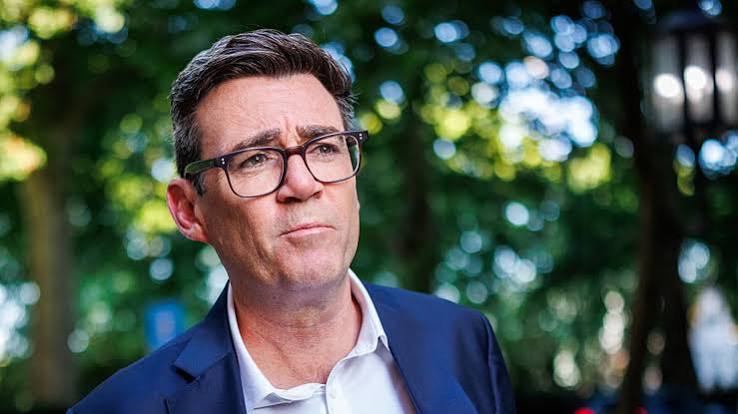
Andy Burnham has proposed a new care service for older and disabled people.
The service would be paid for by the state and available to everyone.
Care can currently involve home visits, live-in workers, or residential care homes.
These services can be very expensive.
Burnham says the government could save money by changing how state pensions increase.
The current rule uses the highest of inflation, 2.5%, or average wage growth.
His proposed rule would remove the average-wage measure.
Supporters see this as a way to pay for care, while critics say it could reduce pensioners’ income.
Burnham also says there will be no early general election before the scheduled 2029 election.

Andy Burnham has proposed a universal, state-paid care service for older and disabled people.
The proposal would replace Britain’s pension triple lock with a double lock to help fund care.
The current triple lock follows inflation, a 2.5% increase, or average wage growth, whichever is highest.
Critics in the right-wing press describe the pension change as an attack on pensioners.
Burnham also says he will not call an early election and may consider rejoining the European Union.
- Who
- Andy Burnham, the Labour Party leader and Prime Minister, and Britain’s older and disabled residents are central to the proposal.
- What
- Burnham has proposed a universal, state-funded care service and a change from the pension triple lock to a double lock.
- Where
- The proposal concerns Britain and was discussed at the Labour Party’s annual conference.
- When
- The proposal was announced in the week of the Labour Party’s first annual conference under Burnham’s leadership; the next scheduled election is described as due in 2029.
- Why
- Burnham says the care service is needed as Britain’s population ages and because existing care arrangements can impose heavy costs on individuals.
Supporters of Universal Care
Critics of the Pension Change
Funding the care service
Supporters of Universal Care
Supporters argue that changing the pension formula could save billions and help create a free care service for an ageing population.
Critics of the Pension Change
Critics focus on the loss of potential pension increases and portray the proposal as an attack on pensioners.
State responsibility
Supporters of Universal Care
Burnham presents universal care as a major expansion of government responsibility, comparable in importance to compulsory education or the National Health Service.
Critics of the Pension Change
The article notes concerns about the scale and cost of the proposal, which would require a substantial expansion of state-funded services.
Political legitimacy
Supporters of Universal Care
Burnham says he can serve as Prime Minister without an immediate general election because the leader of the ruling party occupies Downing Street under accepted constitutional practice.
Critics of the Pension Change
Right-wing critics question the legitimacy of his premiership because he became Prime Minister without a general election.
Key facts
- Proposed service
- A universal, state-paid care service for older and disabled people.
- Current pension rule
- The triple lock uses inflation, a 2.5% increase, or average wage growth, whichever is highest.
- Proposed pension rule
- A double lock retaining inflation and the 2.5% measure while removing average wage growth.
- Funding rationale
- Changing the pension formula is presented as a way to save billions for the care service.
- Election position
- Burnham says he will not hold a snap election before the scheduled 2029 election.
- Other proposals
- He says he will contemplate rejoining the European Union and nationalising water and energy services.
Sources
Related news

Andy Burnham Pledges Social Care Reform Plan At Next Election
Burnham Proposes Electoral Reform Ahead of Next UK Election
Can Burnham Turn Labour’s ‘Hope Again’ Into Lasting Change?
India Plans Expanded Elderly Care as Population Expected to Double

Tamil Nadu Senior Groups Seek Pension, Healthcare Improvements

Uttarakhand CM Dhami Launches Disability Coaching, Transfers Senior Pensions

Why British Asian Couples Travel to India for IVF
India Plans Quality, Safety Grades for Private, State Hospitals
NHS Trial Brings Brain Tumour Diagnoses From Weeks to Hours

Michael Kiwanuka Reveals Stroke While Announcing New Album Fudge