15 hrs ago
US Challenges Most-Favoured-Nation Principle at G20 Trade Talks
Most-Favoured-Nation, or MFN, is a trade rule that generally gives countries equal access to trade benefits.
The United States says this rule may make it harder to respond to countries that use unfair economic policies.
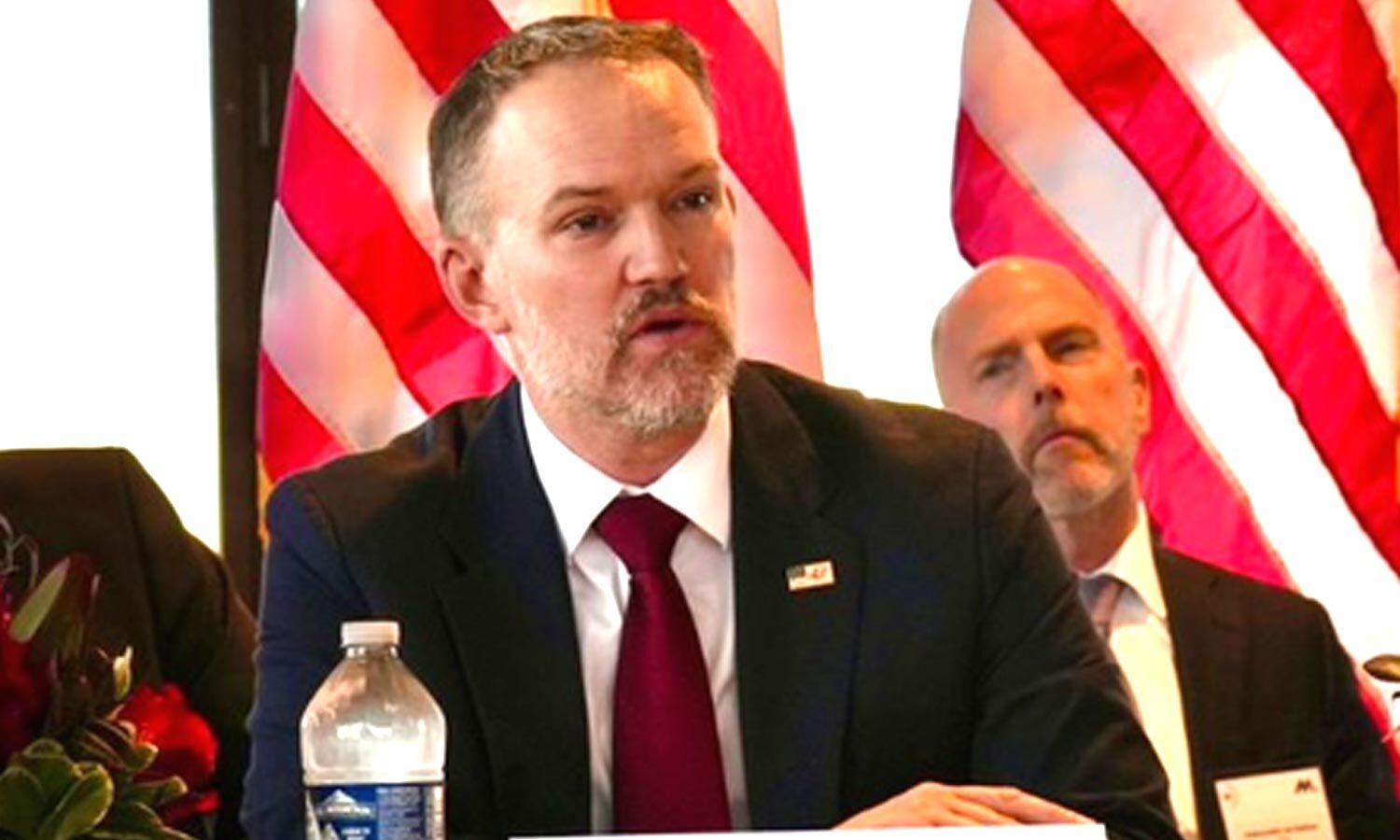
US Trade Representative Jamieson Greer asked other G20 countries to reconsider how the rule works.
He said the global trading system was designed for an earlier time.
The United States has recently used tariffs and individual trade agreements instead of relying only on existing rules.
Other countries have long viewed MFN as an important foundation of global trade.
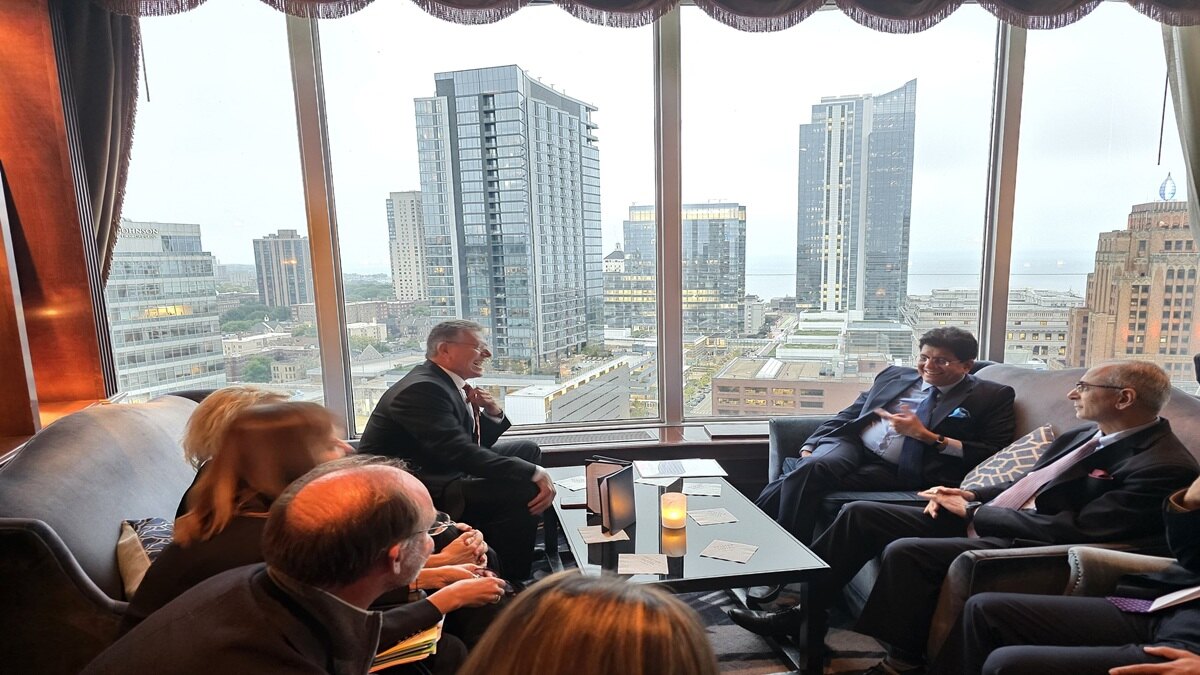
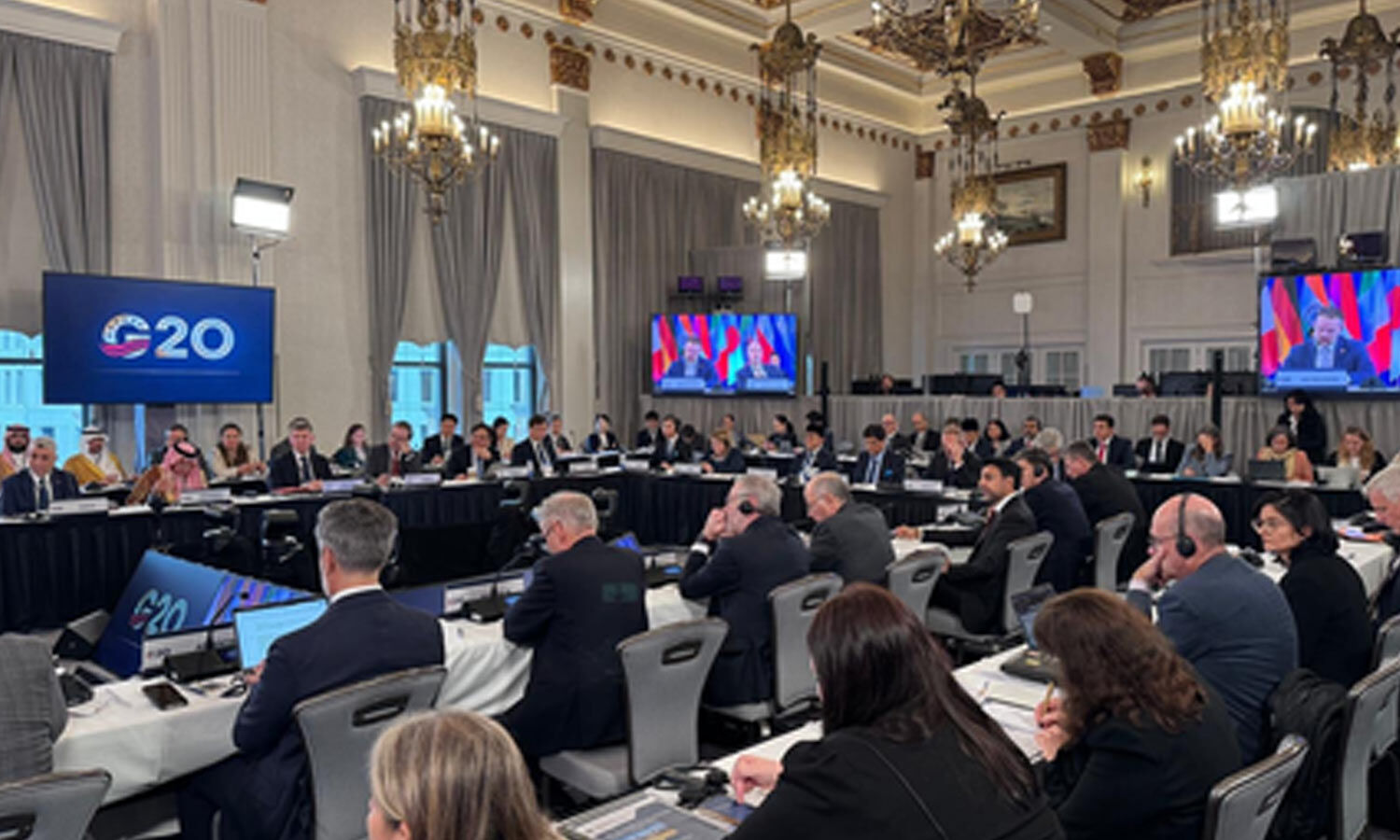
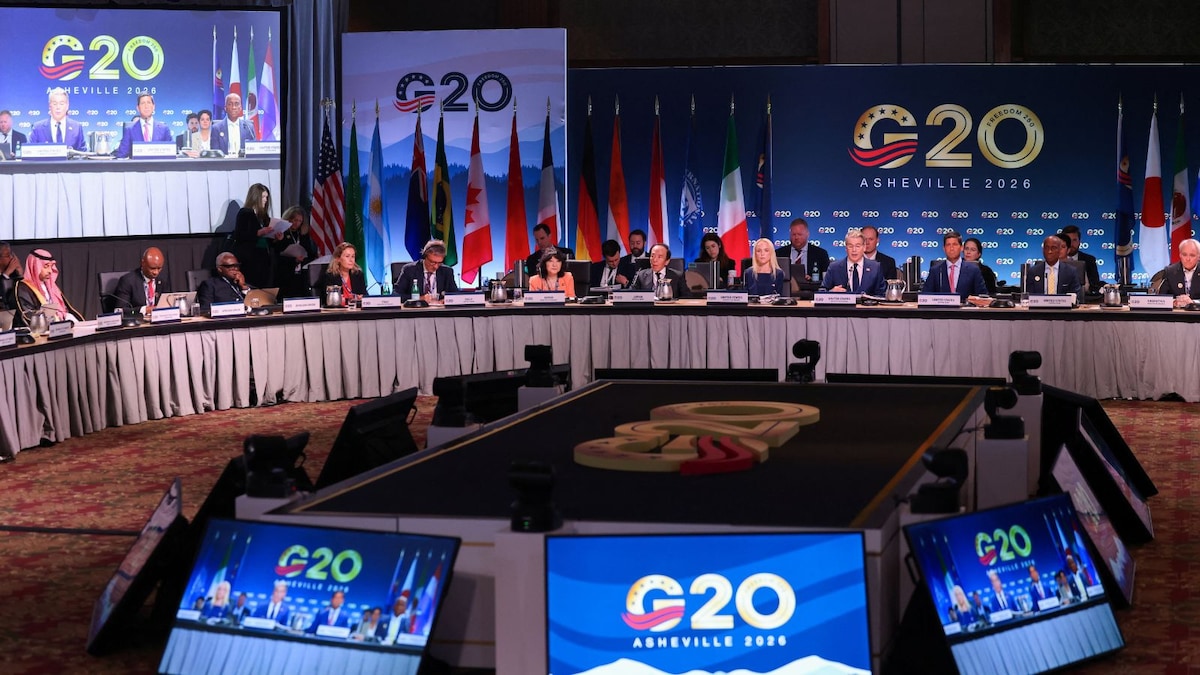
The discussion took place at a G20 trade meeting in Milwaukee.
India attended the meeting while negotiating a separate trade agreement with the United States.

US Trade Representative Jamieson Greer called for a review of unconditional Most-Favoured-Nation treatment.
Greer argued MFN rules can limit governments’ ability to respond to unfair trade practices and market distortions.
The United States identified MFN reform as one of four priorities for its G20 trade presidency.
Washington said tariffs and bilateral agreements were needed to address trade deficits and strengthen supply chains.
India is participating in the Milwaukee ministerial while separately negotiating a bilateral trade agreement with the United States.
- Who
- US Trade Representative Jamieson Greer, G20 trade ministers and delegates, and participating economies, including India.
- What
- The United States challenged unconditional Most-Favoured-Nation treatment and called for discussion of possible reforms to the global trading system.
- Where
- Milwaukee, United States.
- When
- The issue was raised on Wednesday, during the G20 Trade Ministerial.
- Why
- The United States says unconditional MFN treatment can restrict responses to unfair trade practices, non-market policies and economic distortions.
US Case for Reform
Existing System’s Importance
Role of MFN
US Case for Reform
The United States argues that unconditional MFN treatment can limit governments’ ability to respond to distortive policies and changing market conditions.
Existing System’s Importance
MFN has long been regarded as a cornerstone of the multilateral trading system because trade advantages given to one eligible partner are generally extended to others.
How to address trade problems
US Case for Reform
Washington says tariffs and bilateral agreements can deliver greater fairness, reciprocity, supply-chain resilience and balance.
Existing System’s Importance
The existing multilateral architecture, including the World Trade Organization, remains the established framework for addressing international trade questions.
Updating trade institutions
US Case for Reform
The United States says institutions and principles created in 1947 or 1995 may not adequately address 21st-century challenges.
Existing System’s Importance
The United States also acknowledged that reform does not necessarily require discarding the inherited trading system altogether.
Key facts
- US representative
- Jamieson Greer, the United States Trade Representative
- Main issue
- Whether unconditional Most-Favoured-Nation treatment should be reconsidered
- Meeting
- G20 Trade Ministerial
- Location
- Milwaukee
- US trade approach
- Tariffs and bilateral agreements
- Other US priorities
- Food weaponisation, structural excess capacity and production, and forced labour in global supply chains
- India’s participation
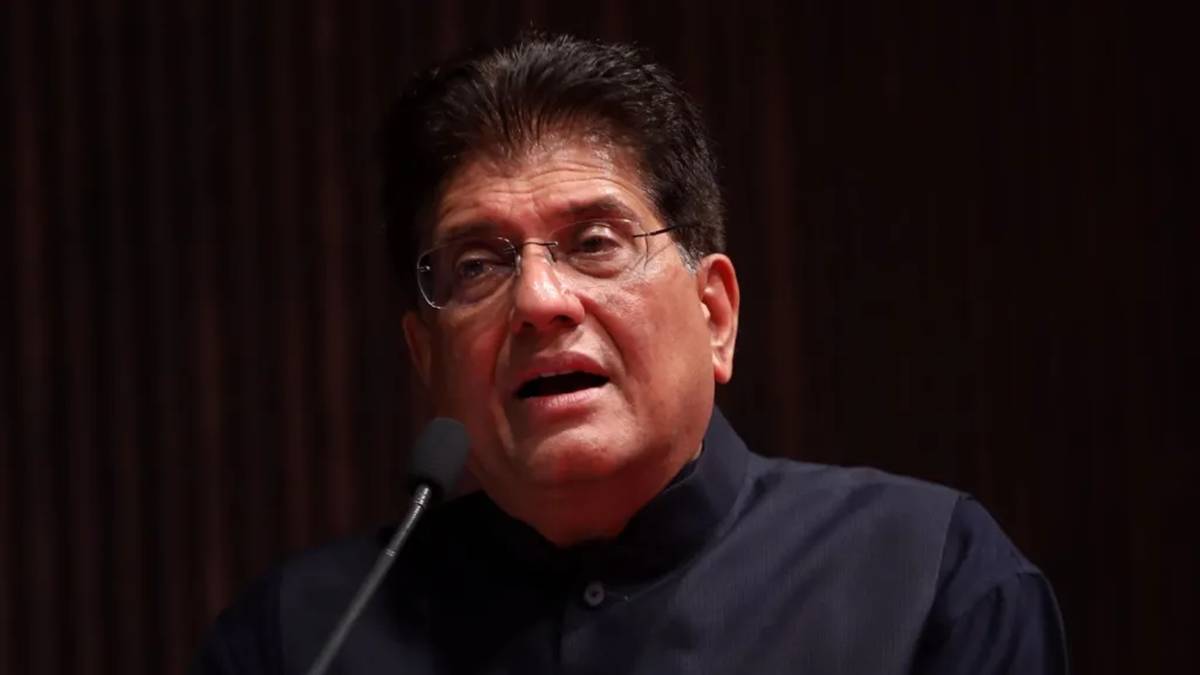
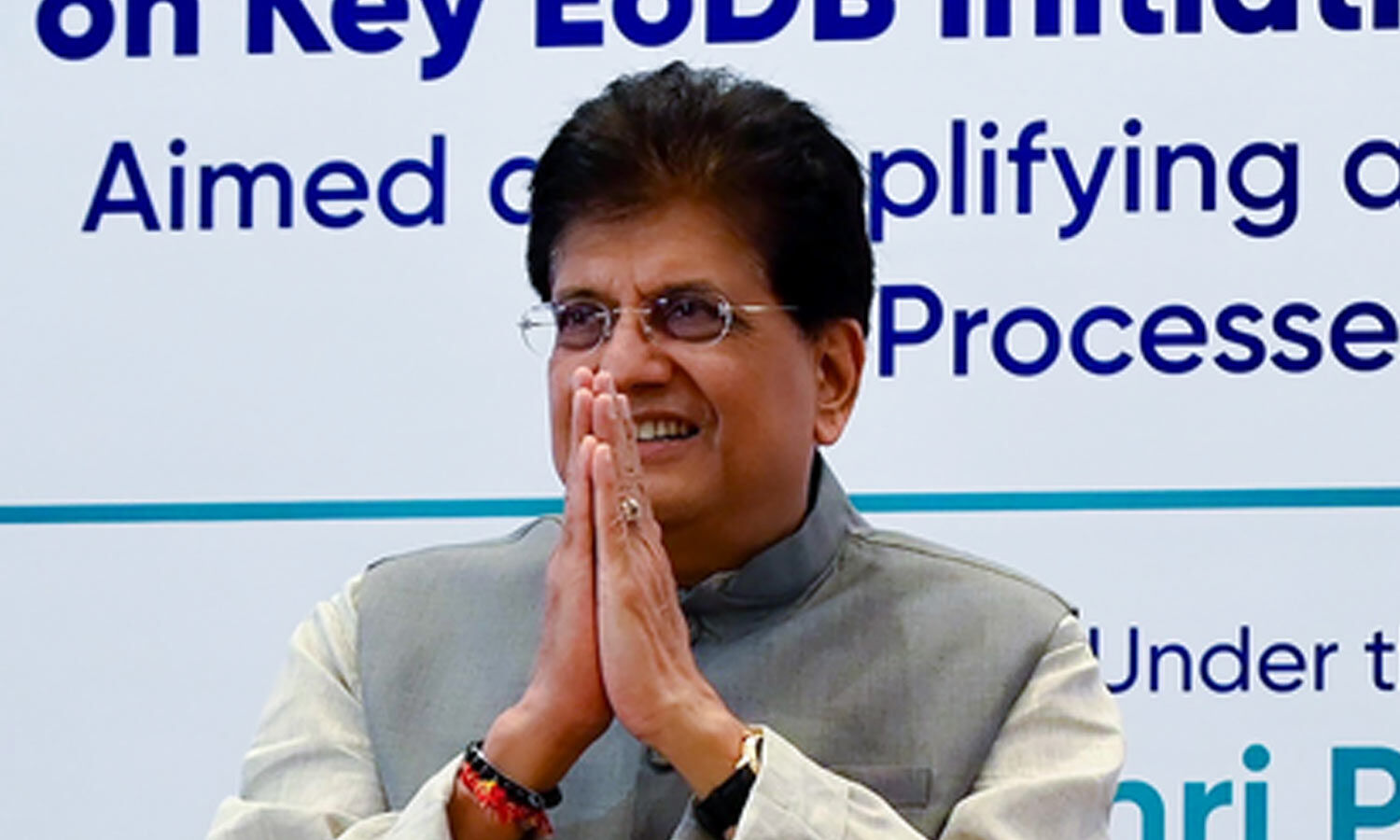
- Commerce and Industry Minister Piyush Goyal represented India while India and the United States pursued bilateral trade negotiations
Quotes

Jamieson Greer
US Trade Representative speaking at the G20 Trade Ministerial.
“This is why, starting last year, the United States took action, using a combination of tariffs and bilateral deals to reduce our trade deficit, make resilient our supply chains, and bring fairness, reciprocity, and balance to the global economy.”
 thehansindia.com
“Many consider MFN to be the cornerstone of the global trading system. But even a cornerstone should be examined from time to time to ensure it is still supporting the structure we need.”
thehansindia.com
Sources
Related news
Greer urges G20 to build a new global trading order
Goyal-Greer Talks Aim To Advance Interim India-US Trade Deal
Goyal Leads India at G20 Trade Talks Amid US Deal

Goyal Urges Distinction Between Food Weaponisation and Security Measures
BRICS Condemns Unilateral Tariffs and Calls for WTO Reform
G20 Finance Chiefs Back Action on Trade Distortions, Except China

Brewers Challenge Baseball’s Home-Run Revolution With Small Ball

G20 Trade Ministers Oppose Food Weaponisation, Back Rules-Based Trade

India and US Push Interim Trade Deal Talks Forward

India-US Trade Ties Unsettled by Graham Bill as Talks Continue