1 week ago
Why H1N1 Transmission Could Linger Longer in Bengaluru

H1N1 is a virus that can cause flu-like illness.
Doctors say it may spread for longer in Bengaluru than in Delhi.
Bengaluru has milder temperatures and changing humidity, which can give the virus more chances to spread.
Bengaluru also does not have one sharply defined flu season.
People can pass the virus between groups at schools, workplaces and on public transport.
During the monsoon, people may spend more time indoors, increasing contact with others.
Common symptoms include sudden fever, cough, sore throat, body aches and tiredness.
People with serious or worsening symptoms should see a doctor, especially older adults, young children, pregnant women and those with existing illnesses.

Doctors say Bengaluru’s mild temperatures and fluctuating humidity may extend the period when H1N1 can spread.
Delhi’s more pronounced seasonal changes are associated with different influenza activity, experts say.
Bengaluru’s less clearly defined flu season may allow transmission to continue across different parts of the year.
Monsoon conditions, indoor crowding and gatherings at schools, workplaces and public transport can increase spread.
Warning signs requiring medical assessment include breathing difficulty, persistent fever, chest discomfort, confusion and worsening symptoms.
- Who
- Residents of Bengaluru and Delhi, with guidance from Dr Amit Saraf, Director of Internal Medicine at Jupiter Hospital, Thane.
- What
- H1N1 cases are rising, and doctors are explaining why transmission could continue longer in Bengaluru than in Delhi.
- Where
- Bengaluru and Delhi, India.
- When
- During the current rise in H1N1 cases; the article also discusses monsoon-related risks.
- Why
- Milder temperatures, fluctuating humidity, less defined seasonal patterns, indoor crowding and continued interaction may support transmission.
Key facts
- Virus
- H1N1 influenza
- Cities discussed
- Bengaluru and Delhi
- Climate difference
- Bengaluru has relatively mild temperatures and fluctuating humidity; Delhi experiences more pronounced seasonal changes.
- Possible transmission settings
- Workplaces, schools and public transport
- Monsoon factor
- People may spend more time indoors, increasing opportunities for spread.
- Common symptoms
- Sudden fever, cough, sore throat, body aches, headache and extreme fatigue
- Urgent warning signs
- Shortness of breath, persistent high fever, chest discomfort, confusion, severe weakness or worsening after initial improvement
Quotes
Dr Amit Saraf
Director of the Department of Internal Medicine at Jupiter Hospital, Thane
“Because of its milder temperatures and fluctuating humidity, Bengaluru has a longer period during which the virus can be transmitted than Delhi, which experiences more drastic seasonal changes and as a result sees different influenza activity.”
 indianexpress.com
“Influenza viruses are more likely to spread when people are in enclosed areas and when the weather is suitable for their survival and transmission.”
indianexpress.com
Sources
Related news

Delhi H1N1 Cases Jump Nearly Six-Fold This Monsoon Season

Delhi records nearly six-fold rise in H1N1 cases in 2026

Delhi, Bengaluru H1N1 Surge as Doctors Compare COVID-19

Delhi H1N1 Cases Rise; ICMR Says No New Strain
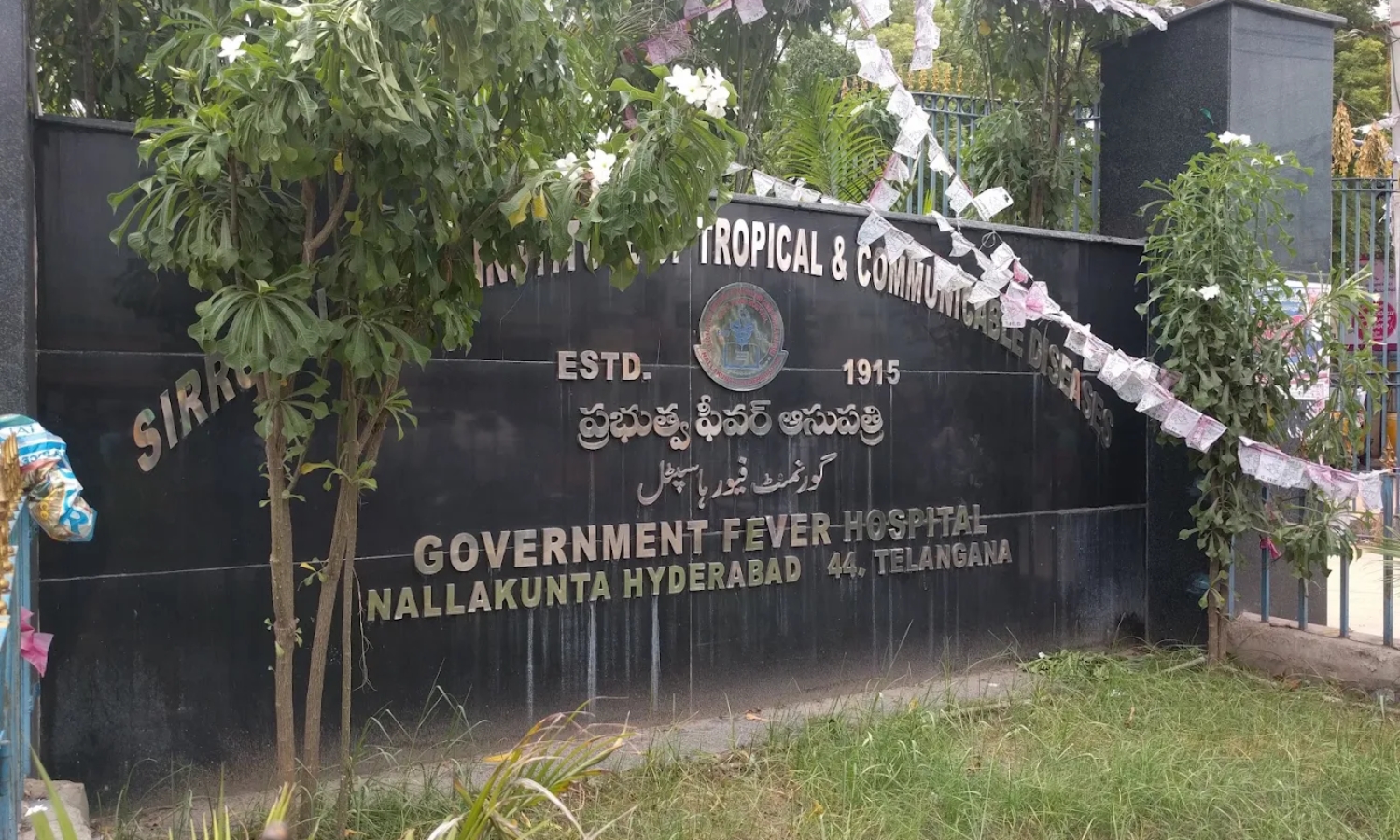
H1N1 Cases Rise as Hyderabad Fever Hospital Sees 500 Daily

Rahul Roy’s Post-Stroke Diet Draws Medical Guidance on Recovery

Daily Routines Reveal What You Truly Prioritize Each Day

Tiny Suboccipital Muscles Linked to Headaches, Neck Pain and Dizziness

Excess Protein May Cause Digestive Symptoms and Stall Fat Loss