

6 hrs ago
A Decade After Surgical Strikes, Jammu Faces New Threats
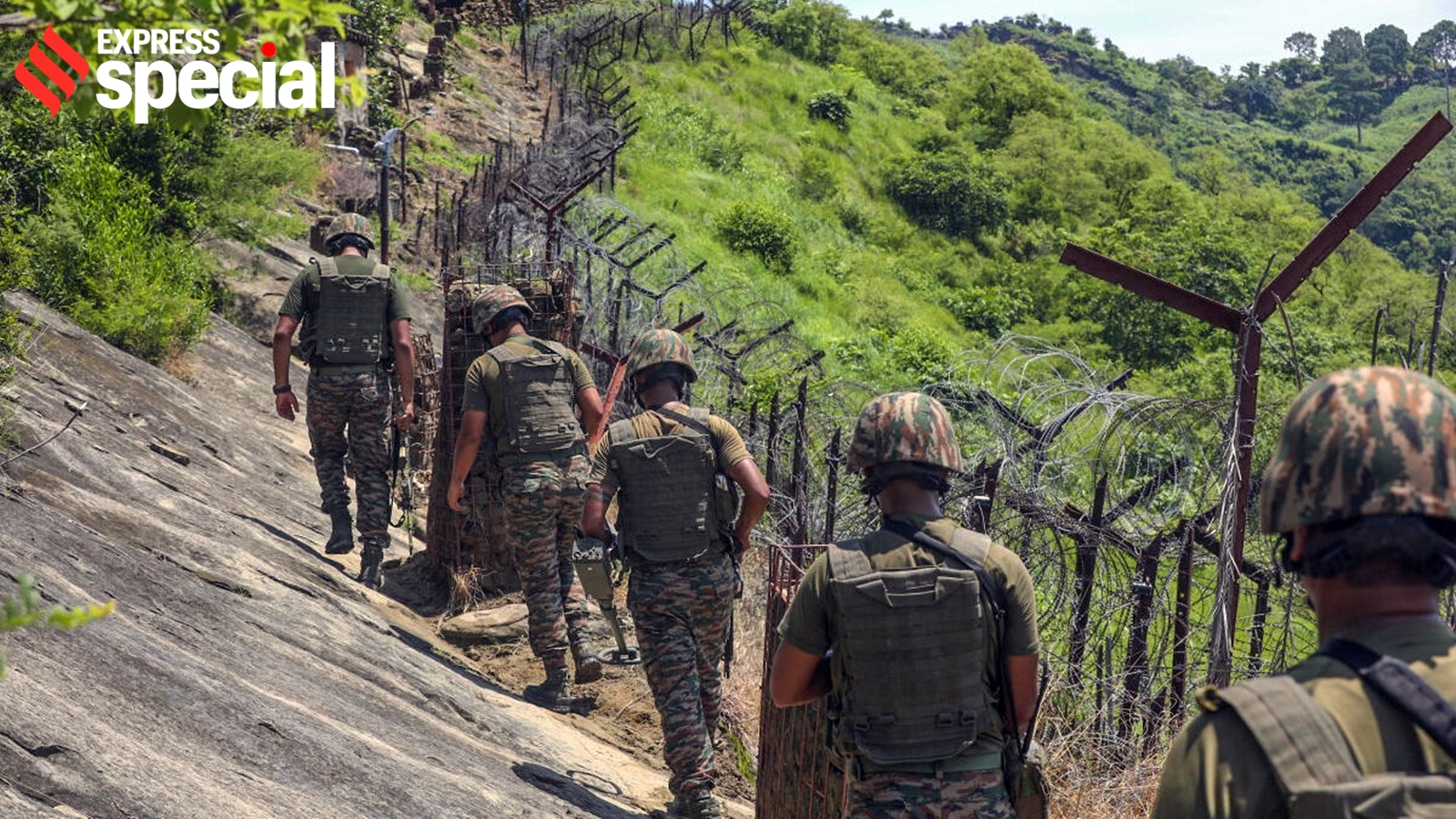
Ten years ago, the Indian Army attacked several militant launch sites across the Line of Control.
The operation followed an attack near Uri in which 19 soldiers were killed.
The Army said the strikes killed about 35 to 50 terrorists.
Since then, violence in Jammu and Kashmir has fallen in many areas.
However, more militant activity is now being seen in Jammu’s forests and mountains.
Small groups can hide there for long periods.
Security forces now use more drones, satellite pictures and intelligence to find them.
They also use fewer troops for carefully targeted operations.
A former Army commander warned that stronger military capabilities can also make conflicts more likely to grow.

The Indian Army’s September 28-29, 2016 operation targeted seven terrorist launchpads across the Line of Control after the Uri attack.
The Army estimated that 35-50 terrorists were killed, while publicly describing the action as its first coordinated cross-border surgical strike.
Terrorist violence in Jammu and Kashmir has declined overall, but militant activity has shifted toward Jammu’s forests and mountains.
Counter-terrorism operations now rely more on intelligence-led missions, drones, satellite imagery, surveillance and inter-agency coordination.
Officials say improved capabilities have strengthened security but also increased the risk of escalation during retaliatory operations.
- Who
- The Indian Army, security forces, terrorist groups and officials familiar with counter-terrorism operations in Jammu and Kashmir.
- What
- The article examines changes in cross-border strikes, militant activity and counter-terrorism methods ten years after the 2016 surgical strikes.
- Where
- Across the Line of Control and in Jammu and Kashmir, particularly the Jammu division.
- When
- The original operation took place on the night of September 28-29, 2016; the comparison includes security data from 2025.
- Why
- The 2016 strikes followed the September 18 terrorist attack on the Army Brigade Headquarters near Uri, while current changes respond to a more dispersed militant threat.
Capability Improvements
Escalation Risks
Technology and intelligence
Capability Improvements
Officials and Lieutenant General D S Hooda said better equipment, surveillance and intelligence-gathering have significantly improved counter-terrorism operations.
Escalation Risks
Officials cautioned that technology cannot replace human intelligence, while Hooda warned that stronger strike and surveillance capabilities carry greater escalation risks.
Military response
Capability Improvements
More targeted operations, drones, satellite imagery and enhanced coordination allow security forces to use fewer troops and respond more precisely.
Escalation Risks
The shift from the 2016 ground operation to the 2019 Balakot air strikes and Operation Sindoor demonstrates how retaliatory actions have become more integrated and potentially more escalatory.
Key facts
- 2016 operation
- The Indian Army targeted seven terrorist launchpads north and south of the Pir Panjal range.
- Estimated casualties
- The Army estimated that 35-50 terrorists were killed.
- 2016 violence
- Government data recorded 322 militant incidents, with 150 terrorists and 82 security personnel killed.
- 2025 violence
- Government data recorded 12 terror-related incidents and the deaths of 16 security personnel.
- Geographic shift
- ACLED said more than 60% of violent militant activity in 2025 occurred in Jammu, compared with 5% in 2018.
- Current tactics
- Operations increasingly use intelligence-specific missions, UAVs, satellite imagery and enhanced information-sharing.
- Recent measures
- Surveillance drones, counter-drone capabilities and temporary operating bases were strengthened after the Pahalgam attack and Operation Sindoor.
Quotes
Lieutenant General D S Hooda
A retired former Northern Army Commander who oversaw the 2016 surgical strikes.
“In 2016, an urban/semi-urban militancy, with stone-pelting incidents and local militant recruitment, were key. Now, it is about small groups moving through forests and mountains, often operating for extended periods without being detected.”
 indianexpress.com
“For instance, the Valley is considerably quieter than it was in 2016-18, but the threat situation is more dispersed, harder to detect and increasingly concentrated in difficult terrains in the Jammu region.”
indianexpress.com
Sources
Related news
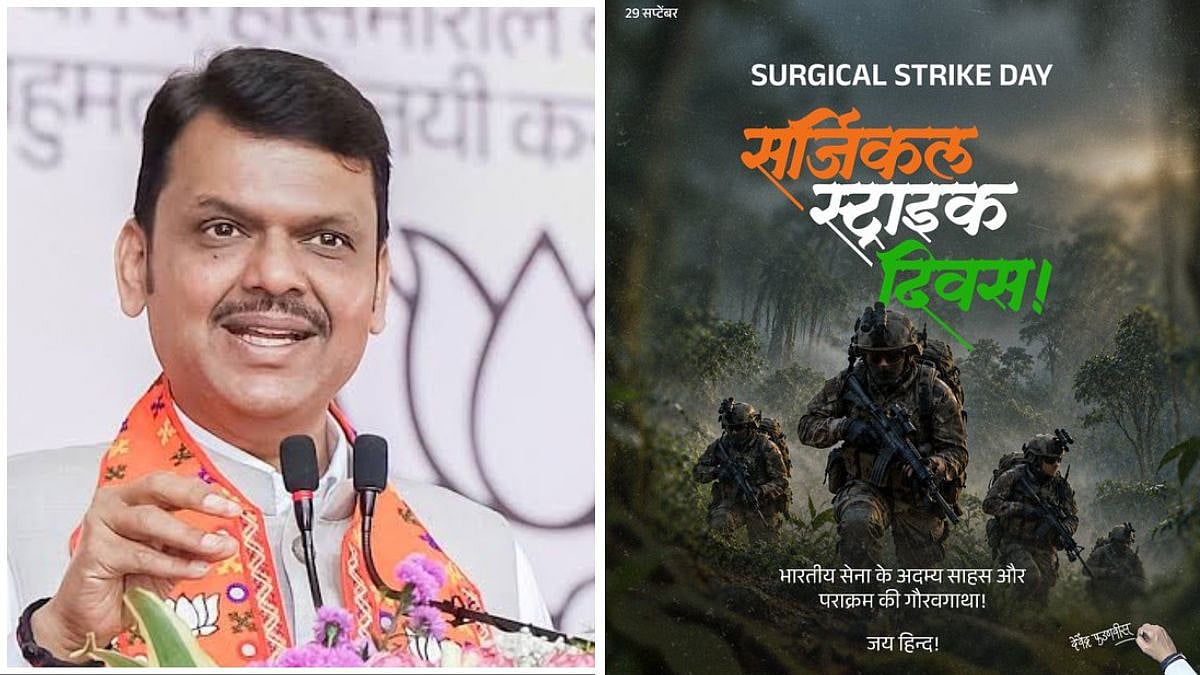
India Marks 10th Anniversary of 2016 Surgical Strikes
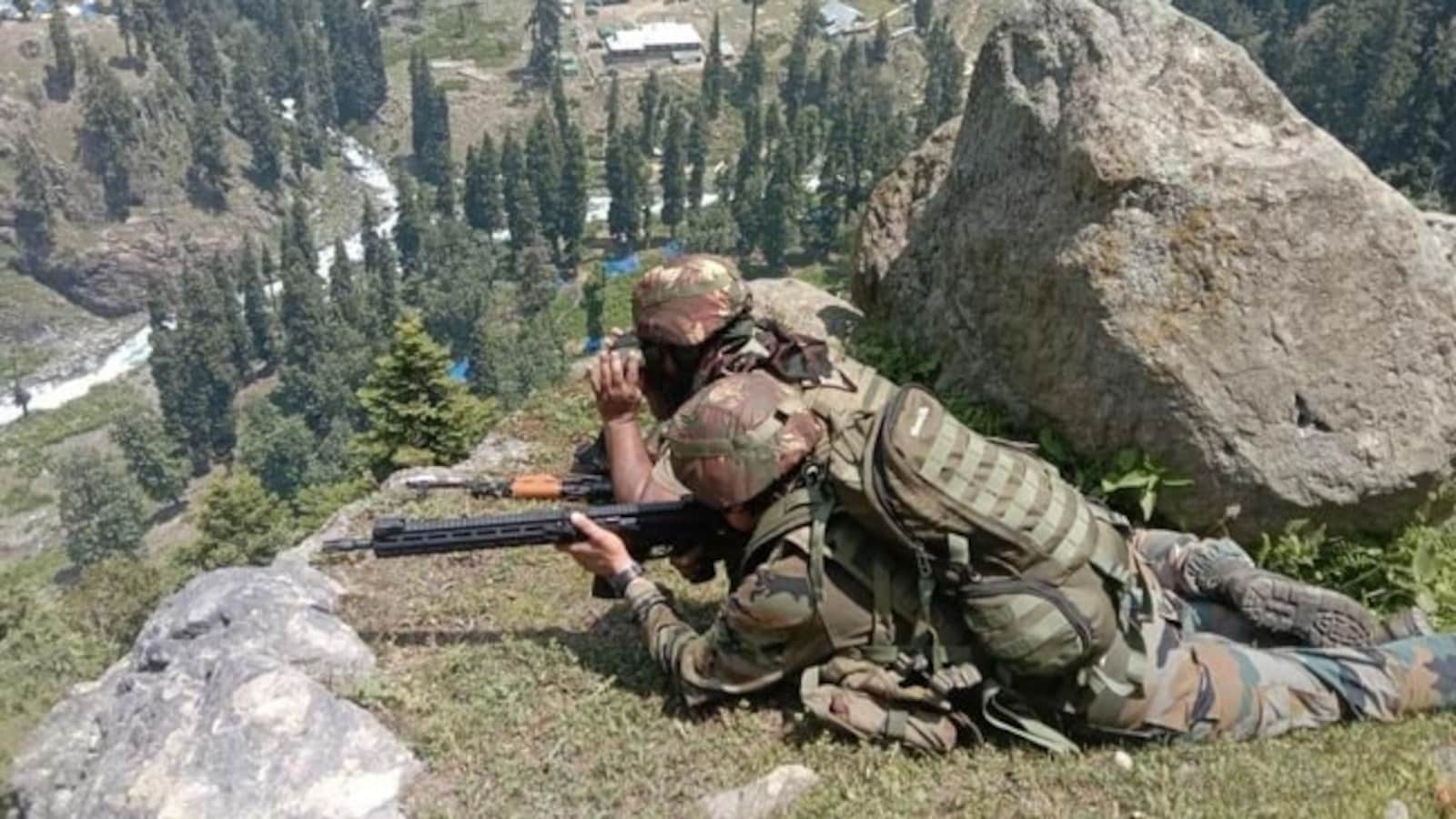
Gun Battle Triggers Major Anti-Terror Operation In Pirpanjal Mountains
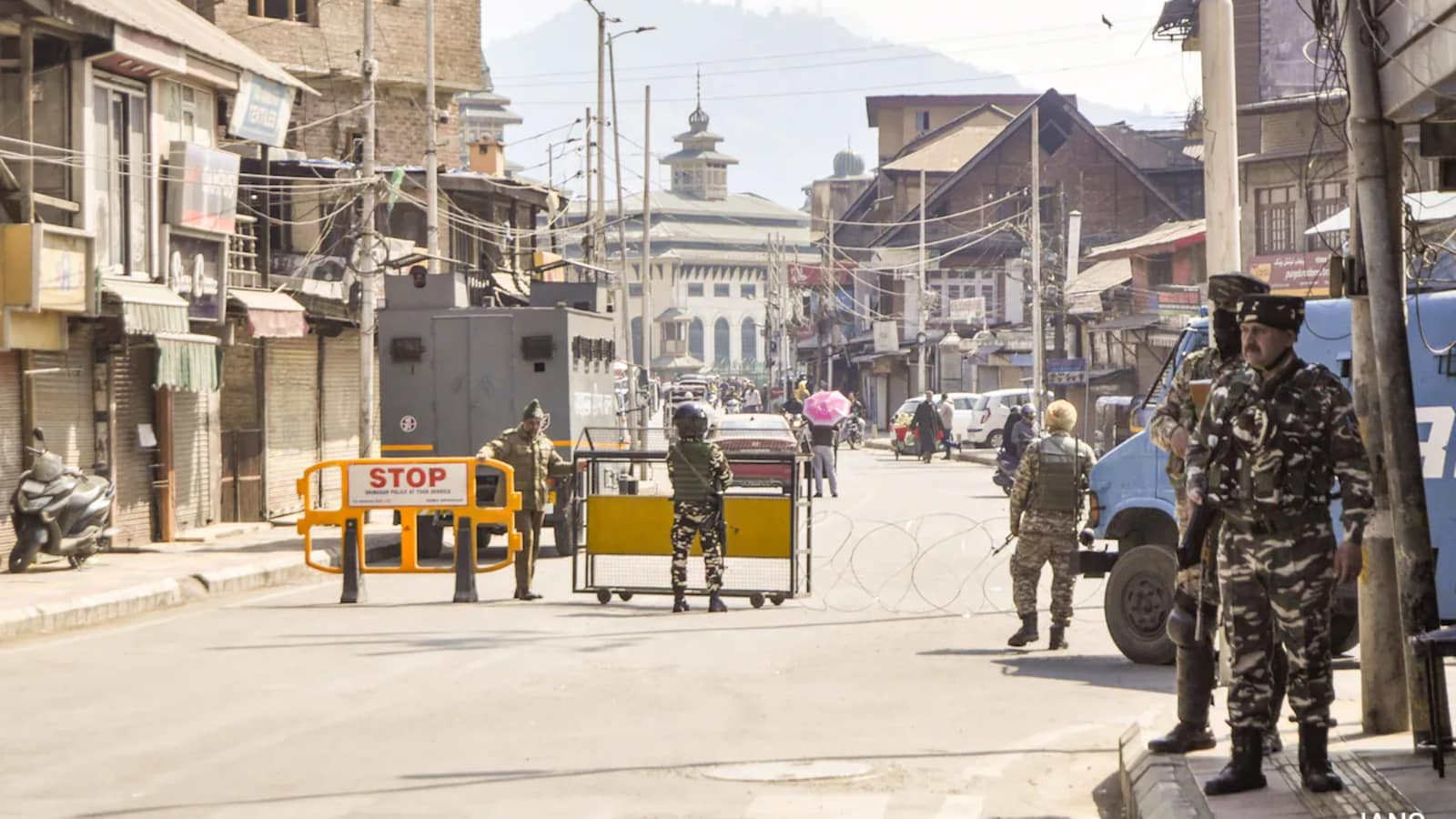
Jammu and Kashmir Reports Zero Stone-Throwing Incidents in 2025
Militant Killed in Joint Security Operation in Budgam Forest
One Terrorist Killed in Joint Budgam Forest Operation
Temporary Bases Aim to Block Terrorist Movement Across Pir Panjal

NC Condemns BJP MLAs’ Disruption During Statehood Resolution Debate
Hari Singh Birthday Holiday Deepens Jammu and Kashmir Divide
Jammu Gangster Karanjit Singh Arrested in Delhi After Seven-Month Hunt

J&K Books Scrutiny Withdraws Thousands From College Libraries