

5 hrs ago
Temporary Bases Aim to Block Terrorist Movement Across Pir Panjal
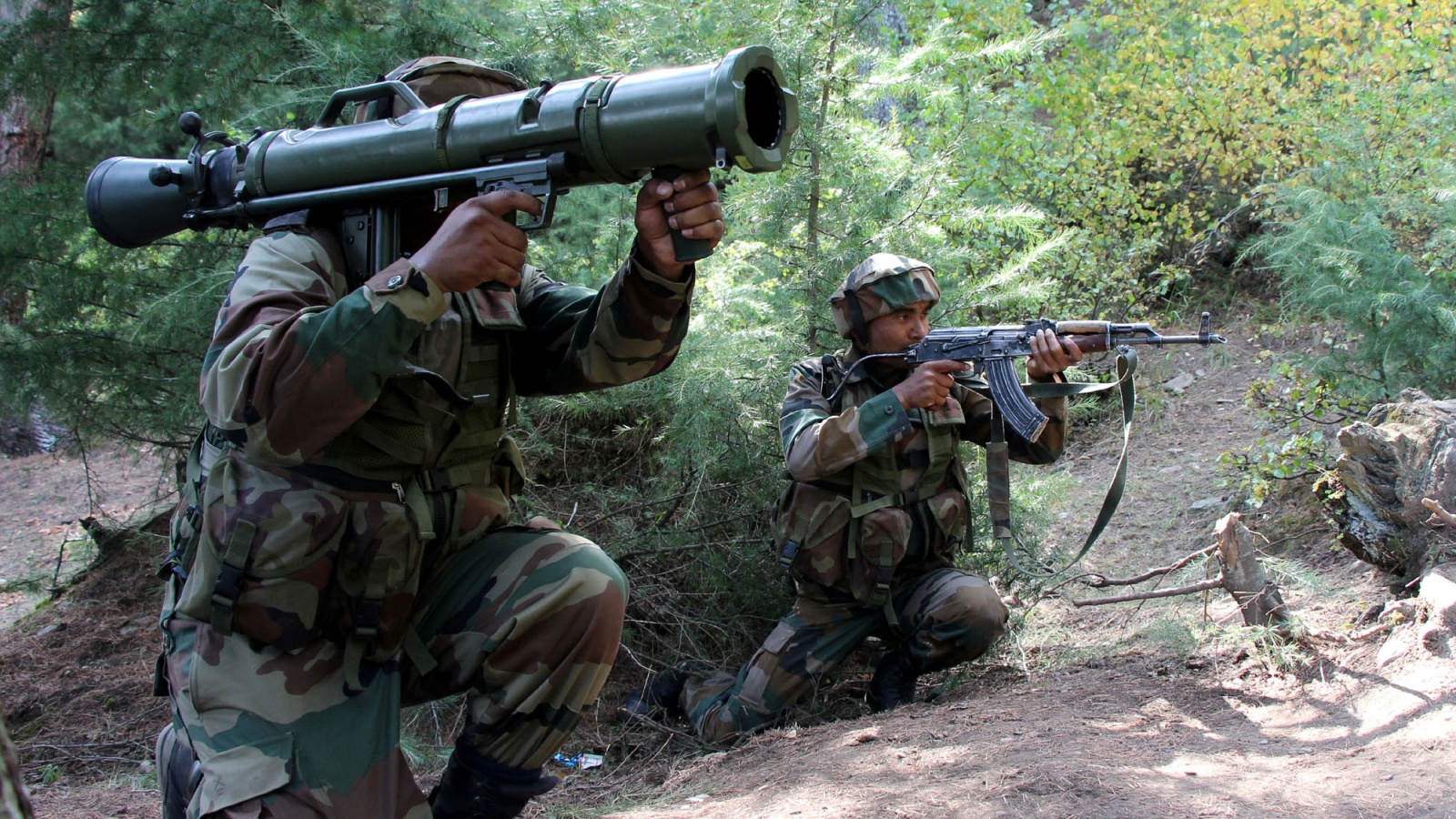
The Pir Panjal mountains are a difficult, forested area between Kashmir and Jammu.
Terrorists have used mountain routes to move between the two regions.
Security forces are now setting up temporary bases in the mountains instead of leaving after short operations.
Soldiers may stay in these bases for days or months.
They use shelters such as caves or shepherds’ huts when available, and sometimes stay in the forests.
Special units and drones help watch the routes.
Officials say this has made it harder for terrorists to move and has reduced attacks.
However, new hidden camps and changing support networks still make the work difficult.

Joint security forces killed a Lashkar-e-Taiba terrorist at Ashdar Gali on September 4 after a four-month operation.
Temporary Operational Bases allow troops to remain in the Pir Panjal mountains for periods ranging from more than 10 days to several months.
Around 40 to 50 bases may operate across the area at a time, with locations changing according to intelligence and ground conditions.
The Army, Jammu and Kashmir Police, paramilitary forces, Rashtriya Rifles and elite paratroopers divide operations across the mountains’ upper, middle and lower zones.
Officials say the strategy has reduced terrorist attacks and disrupted movement between Kashmir and Jammu, although hidden hideouts and changing support networks remain challenges.
- Who
- The Indian Army, elite paratroopers, Rashtriya Rifles, Jammu and Kashmir Police, paramilitary forces and terrorist groups including Lashkar-e-Taiba and Jaish-e-Mohammed.
- What
- Security forces are using Temporary Operational Bases and specialized units to maintain a sustained presence and prevent terrorists from moving through the Pir Panjal mountains.
- Where
- Across the Pir Panjal mountains, including Ashdar Gali, Poonch, Rajouri, Udhampur and parts of the Kashmir Valley and Chenab Valley.
- When
- The latest reported operation began after a four-month effort and ended with a Lashkar-e-Taiba terrorist being killed on September 4; the broader strategy has been developed over the past several years.
- Why
- To stop terrorists from exploiting difficult mountain routes and shifting between Jammu and Kashmir to evade security operations.
Security Officials’ Assessment
Continuing Operational Challenges
Effectiveness of Temporary Bases
Security Officials’ Assessment
Officials say the bases have sustained pressure on terrorist groups, restricted movement across the Pir Panjal and contributed to a significant reduction in attacks.
Continuing Operational Challenges
The mountains remain difficult to monitor because of their size, dense forests, changing overground-worker networks and newly built hideouts that may be created without local assistance.
Tactical Advantage
Security Officials’ Assessment
Special troops, drones, night-vision devices and weapons comparable to M4 carbines have improved surveillance and nighttime patrolling.
Continuing Operational Challenges
Officials acknowledge that militants retain advantages from elevated, stationary positions, sophisticated weapons and familiarity with the terrain.
Key facts
- Latest operation
- A Lashkar-e-Taiba terrorist was killed at Ashdar Gali on September 4.
- Temporary base duration
- Bases may operate for more than 10 days to several months.
- Estimated bases
- Officials said approximately 40 to 50 bases could be operational at one time.
- Operational zones
- The mountains are divided into upper, middle and lower reaches.
- Specialized units
- Jammu and Kashmir Police created the Snow Leopards and Markhors units within its Special Operations Group.
- Recent terrorist deaths
- Three terrorists were killed in encounters during the reported month: two in Udhampur and one at Ashdar Gali.
- Earlier operation
- The Indian Army launched Operation Sarp Vinash in 2003, and the region was declared militant-free in 2012.
Quotes
Senior security officer
A security officer explaining how temporary bases restrict militants’ movement between regions.
“Before, whenever the security forces launched operations south of Pir Panjal, the terrorists would move into Kashmir valley. Similarly, sustained pressure on this side of the Pir Panjal would lead them to move to Poonch and Rajouri. These Temporary bases have taken away that advantage by allowing the security forces to maintain a sustained presence across these routes.”
 indianexpress.com
“At a given time, there could be something around 40-50 such bases operational across the area. The number keeps changing based on intelligence inputs and strategic decisions taken after assessing the situation on the ground.”
indianexpress.com
Sources
Related news
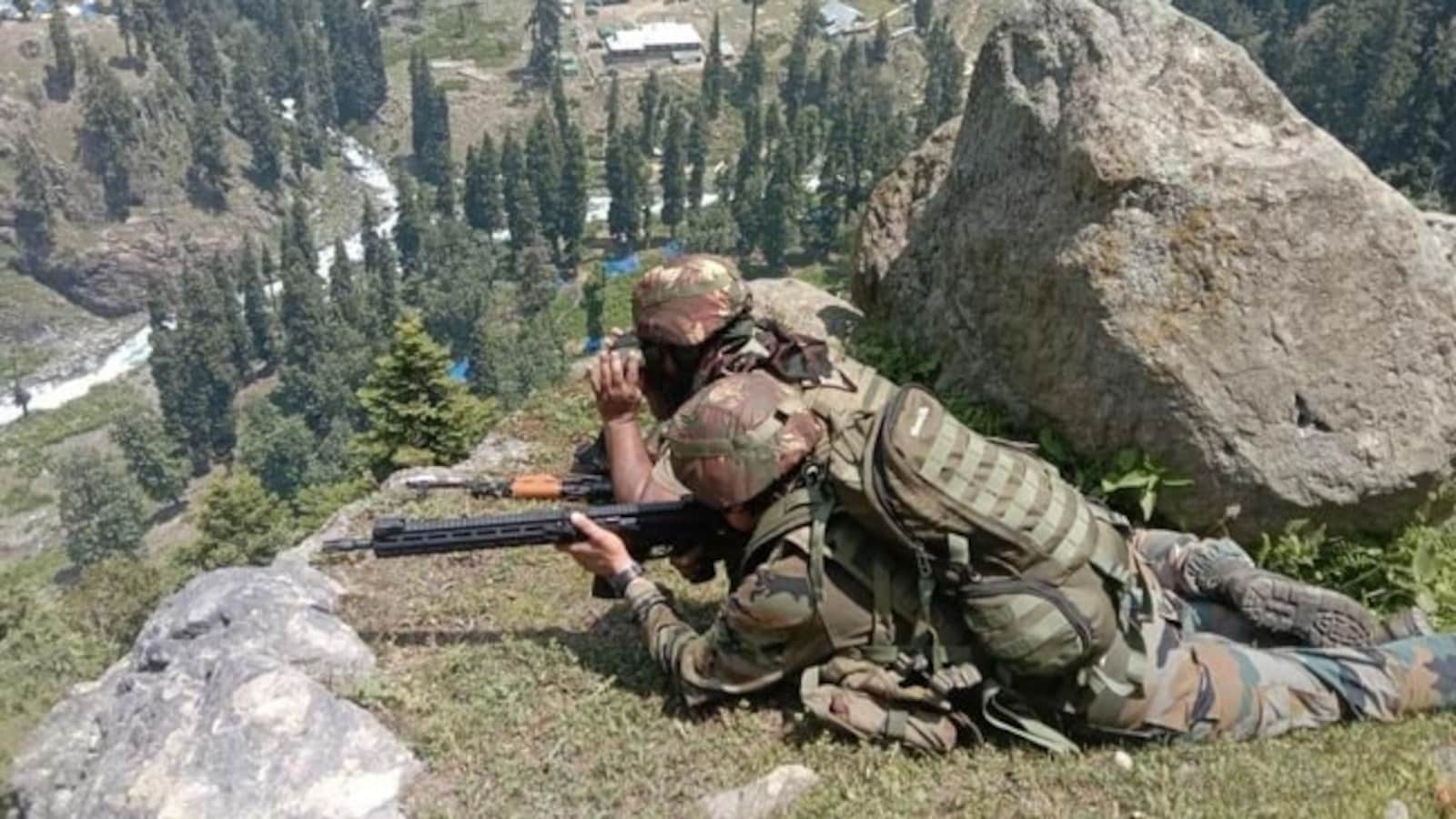
Gun Battle Triggers Major Anti-Terror Operation In Pirpanjal Mountains
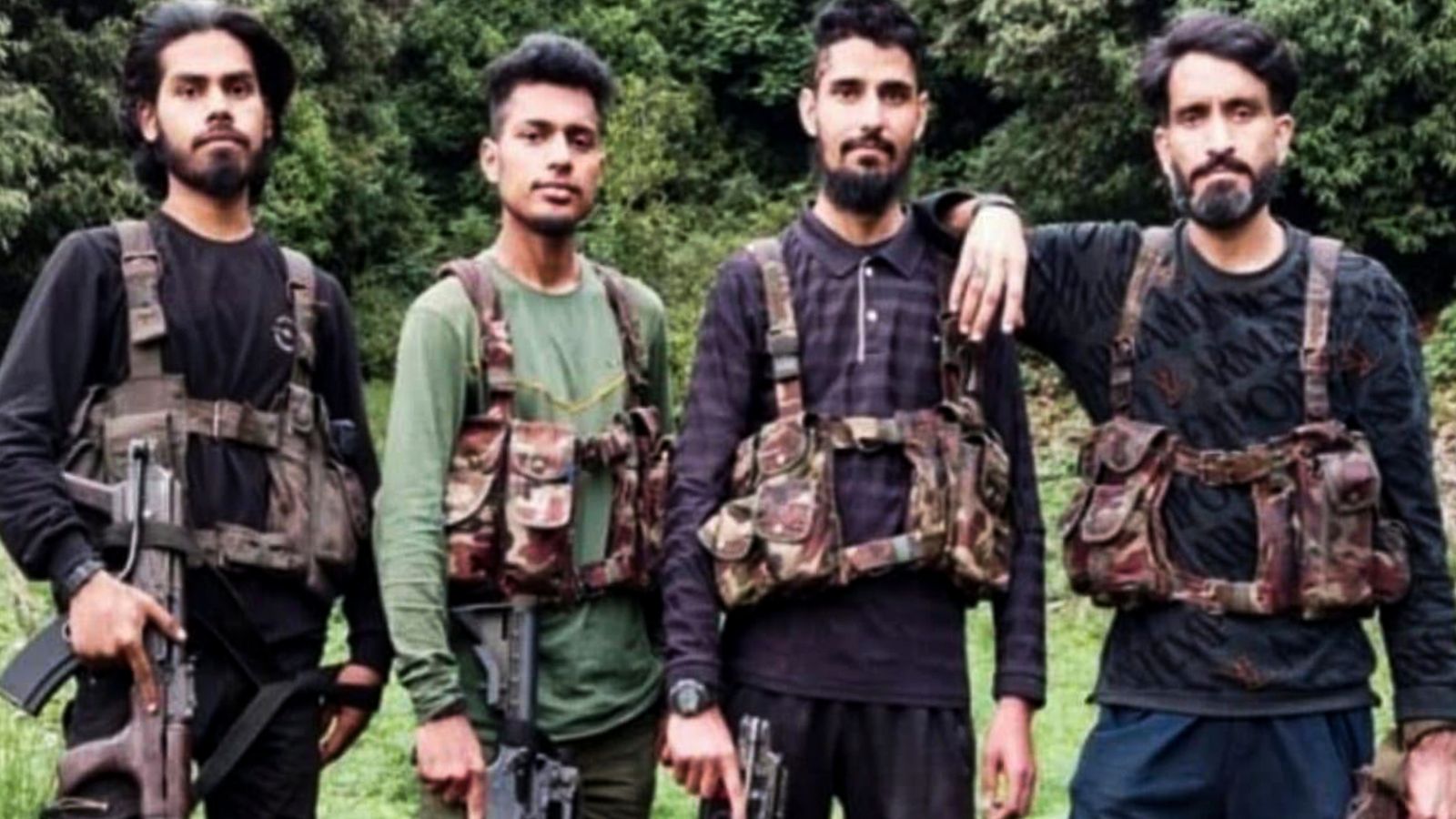
Three-Month Hunt Ends With Killing of LeT Terrorist
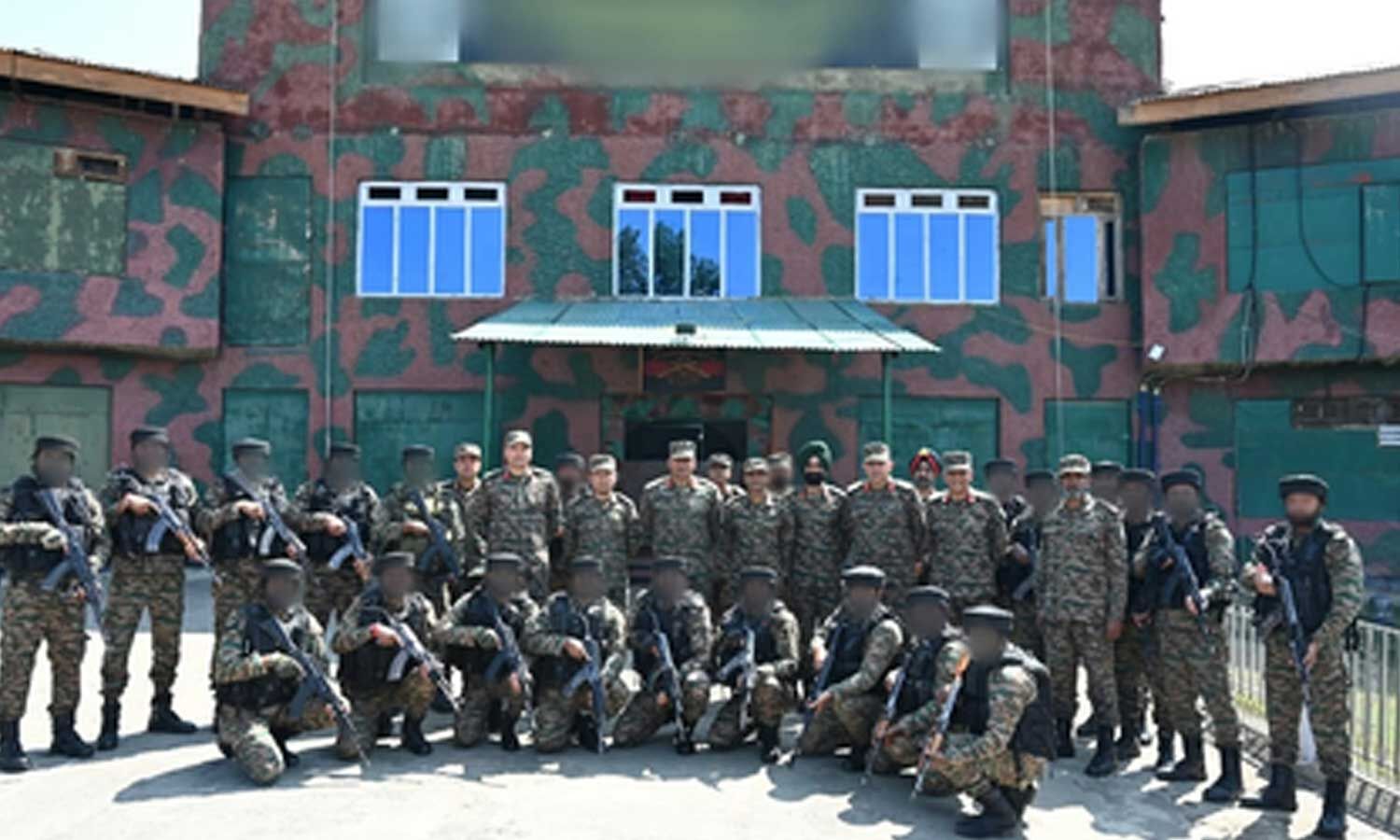
Army Commander Reviews Counter-Terrorism Grid in South Kashmir

Pakistani LeT Terrorist Killed in High-Altitude Budgam Operation

Operation Sohan Kills Two Terrorists in Udhampur; Search Continues
Two Suspected JeM Militants Killed in Udhampur Forest Operation
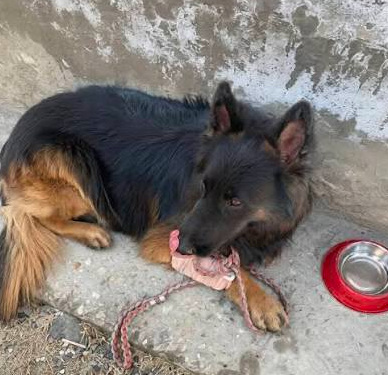
Army Assault Dog Tyson Chosen For Mention-in-Despatches Honour
