1 day ago
China Gains Economic Influence as Russia Holds Central Asia
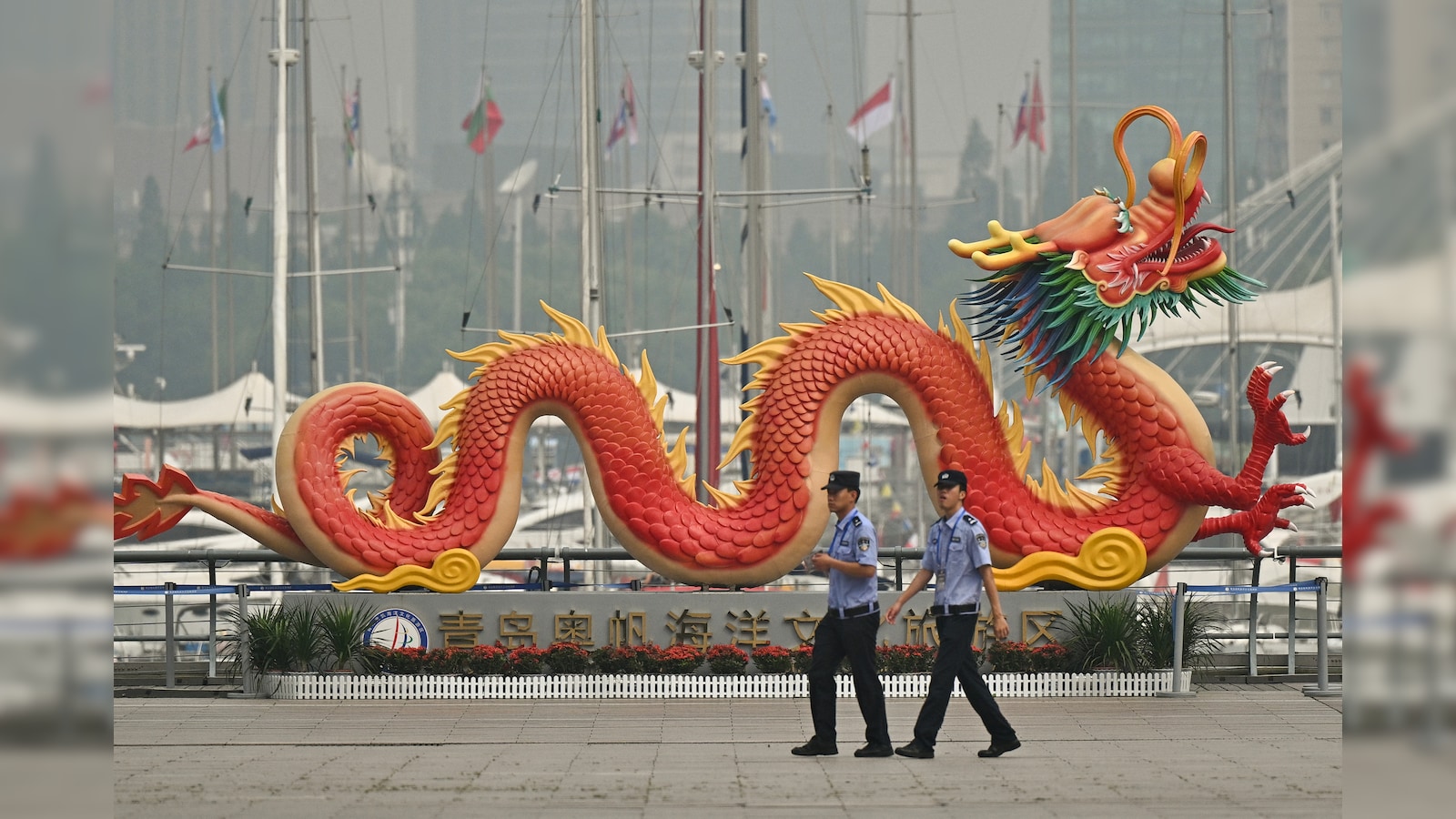
Central Asia is a group of five countries between Russia, China, and other parts of Eurasia.
For many years, Russia was the strongest outside power there because of history, language, security ties, and shared infrastructure.
China is now becoming the biggest economic partner by building roads, railways, pipelines, and other projects.
Russia still matters because it provides security and remains important in education, media, and military systems.
The war in Ukraine has made Russia weaker and encouraged Central Asian countries to seek more choices.
These countries do not simply want to choose Russia or China.
They are trying to work with many partners so they can remain independent.
India could become another useful partner, but it must improve trade, connectivity, and investment.
The article says the region's future will depend on China, Russia, and Central Asian governments acting together.

Central Asia is shifting from Russia-dominated relationships toward a more China-centered economic landscape.
China's trade, infrastructure, energy, and investment activity now significantly exceeds Russia's economic role in the region.
Russia remains influential through security arrangements, military ties, Russian-language culture, education, and institutional networks.
Central Asian governments are diversifying ties with Turkey, Europe, Gulf states, Japan, India, and other partners to preserve autonomy.
India's regional influence faces economic and geographic limits, but pharmaceuticals, technology, minerals, connectivity, and defense cooperation offer opportunities.
- Who
- China, Russia, the five Central Asian republics, and potential partners including India.
- What
- A redistribution of influence is taking place, with China gaining economic primacy while Russia retains security and cultural influence.
- Where
- Kazakhstan, Kyrgyzstan, Tajikistan, Turkmenistan, and Uzbekistan.
- When
- The shift accelerated after China's Belt and Road Initiative began in Kazakhstan in 2013 and intensified after the war in Ukraine.
- Why
- China has greater economic resources and a strategic interest in the region, while Russia's relative power has declined and Central Asian governments seek diversified partnerships.
China's Economic Expansion
Russia's Continuing Influence
Primary source of influence
China's Economic Expansion
China is building influence through trade, infrastructure, energy, investment, technology, and manufacturing.
Russia's Continuing Influence
Russia retains leverage through security provision, military institutions, cultural ties, language, and education.
Effect of the Ukraine war
China's Economic Expansion
Russia's weakened economic and military position is encouraging Central Asian states to seek alternative markets, investors, and transport routes.
Russia's Continuing Influence
Despite its relative decline, Russia has not become irrelevant and continues to maintain important security relationships and military infrastructure.
Regional alignment
China's Economic Expansion
China is creating direct regional institutions, including the China-Central Asia summit mechanism, and increasingly shapes the economic order.
Russia's Continuing Influence
Central Asian governments are not simply aligning with Beijing; they are diversifying ties with India, Europe, Turkey, Gulf states, Japan, and others to retain autonomy.
Key facts
- Central Asian states
- Kazakhstan, Kyrgyzstan, Tajikistan, Turkmenistan, and Uzbekistan
- China's main role
- Trade, infrastructure, energy, investment, manufacturing, and selected security cooperation
- Russia's remaining influence
- Security arrangements, military infrastructure, Russian-language culture, education, media, and institutional ties
- Key Chinese initiative
- The Belt and Road Initiative began its Central Asian engagement in Kazakhstan in 2013
- Major connectivity projects
- The China-Central Asia gas network and the proposed China-Kyrgyzstan-Uzbekistan railway
- Central Asian strategy
- Multi-vector diplomacy designed to diversify external relationships and preserve strategic autonomy
- India's constraints
- Trade remains far below China's, and India lacks a direct land route to Central Asia
Sources
Related news
Why Modi Is Visiting Uzbekistan Before the SCO Summit
Modi’s Central Asia Visit Highlights India’s Strategic Regional Outreach

Modi’s SCO Address Highlights India’s Connectivity and Terrorism Challenges
Modi’s Central Asia Visit Seeks New Eurasian Connectivity
India Urged to Take More Active Role in SCO
Modi’s Central Asia Tour Targets Trade, Security and Connectivity
Pentagon Turmoil Deepens as Hegseth Tightens Grip on Military
Damaged Lohit River Bridge Cuts Off Arunachal Border Villages
Nepal Flood Exposes Delayed Alerts and Cross-Border Warning Gaps

Chinese Workers Fight Office Ageing With Parasols And Sunscreen
UPSC Key Covers SCO, Electoral Rolls, Economy, Defence and Climate