

3 hrs ago
Climate Change Drives Major Decline in Zavodovski’s Chinstrap Penguins
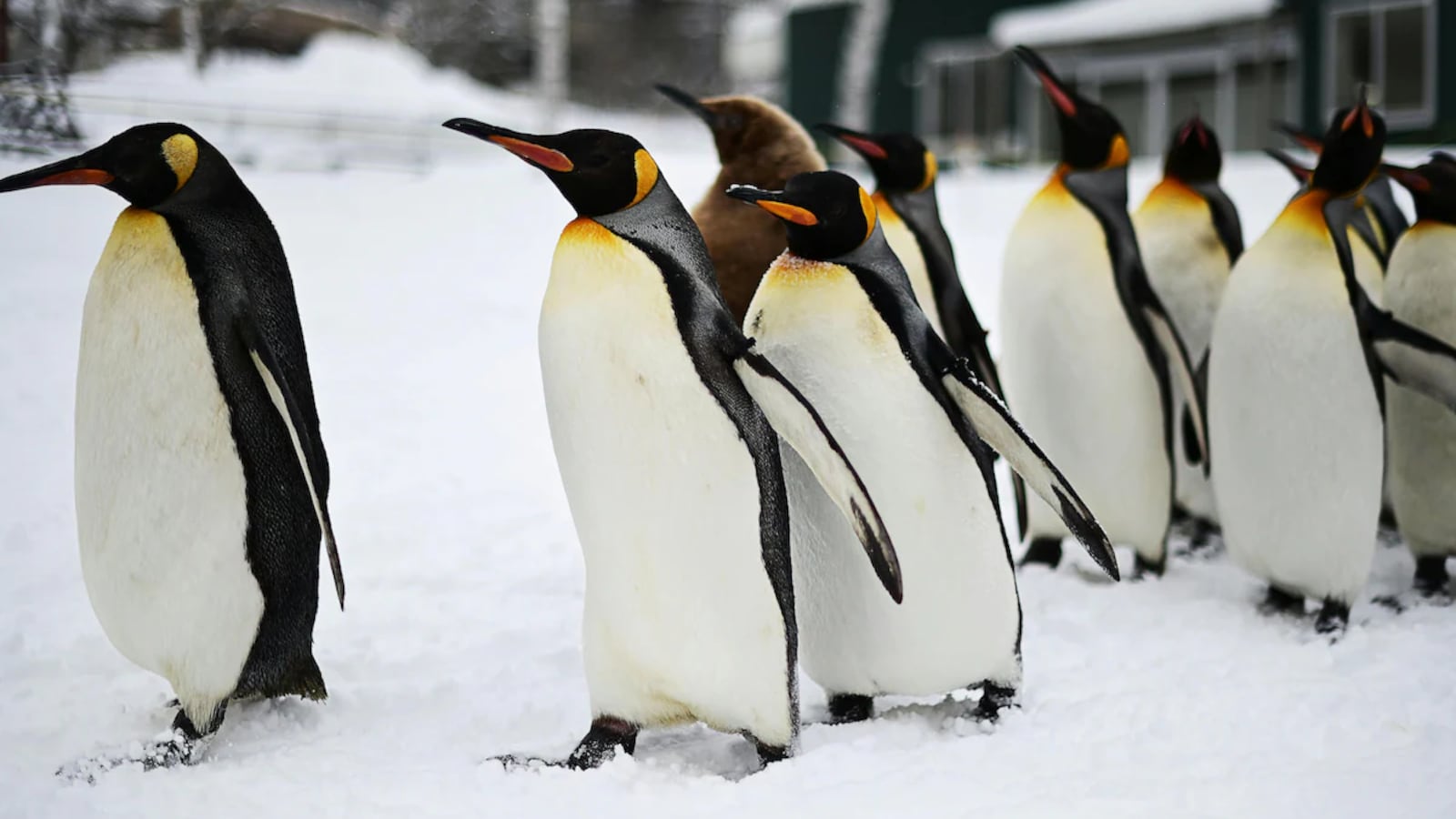
Zavodovski Island used to have the world’s biggest colony of chinstrap penguins.
A new study found that their numbers dropped a lot between 2011 and 2025.
Scientists counted about 1.09 million breeding chinstraps in 2011 and about 402,000 in 2025.
They think warming oceans have moved krill, a tiny animal penguins eat, farther south.
Chinstrap penguins may not be able to follow the krill as well.
Macaroni penguins also live on the island, and their numbers went up.
They can eat a wider range of food, the researchers said.
The study found the volcano’s 2016 eruption was not the main cause of the chinstrap decline.
Researchers say the findings raise concerns about chinstrap penguins across the South Sandwich Islands.

Drone and satellite images show Zavodovski Island’s chinstrap penguin population fell about 63% from 2011 to 2025.
The colony declined from around 1.09 million breeding individuals in 2011 to 402,000 in 2025.
Researchers link the decline mainly to reduced krill availability as warming seas shift the food source south.
Macaroni penguins increased from around 338,000 to 433,000 and now outnumber chinstraps on the island.
Researchers say the findings could support classifying chinstrap penguins as endangered; the species is currently listed as least concern.
- Who
- Chinstrap penguins on Zavodovski Island; the study was led by Norman Ratcliffe of the British Antarctic Survey.
- What
- A study found that the island’s chinstrap penguin population fell by about 63% from 2011 to 2025.
- Where
- Zavodovski Island in the South Sandwich Islands, near Antarctica.
- When
- The population comparison covers January 2011 to 2025; the study was reported Wednesday.
- Why
- Researchers identify climate-driven declines in krill availability as the likely main cause.
Climate-driven food changes
Volcanic eruption hypothesis
Likely cause of the chinstrap decline
Climate-driven food changes
Researchers say warming ocean temperatures have shifted krill south, reducing food availability for chinstrap penguins and likely driving the decline.
Volcanic eruption hypothesis
The 2016 Mount Curry eruption prompted fears that it could harm the penguins, but researchers found the ash cloud passed over an area they did not inhabit and said the decline began before the eruption.
Key facts
- Chinstrap population, 2011
- Around 1.09 million breeding individuals
- Chinstrap population, 2025
- 402,000 breeding individuals
- Reported chinstrap decline
- About 63% from 2011 to 2025; the article also describes a loss of more than 680,000 penguins, or roughly two-thirds.
- Annual decline rate
- About 7% per year
- Macaroni population
- Rose from around 338,000 in 2011 to 433,000 in 2025
- Current conservation classification
- Least concern; researchers suggest redesignation as endangered
- Volcanic eruption
- Mount Curry erupted in 2016; researchers said it was not the main driver of the decline.
Quotes
Norman Ratcliffe
Lead author of the British Antarctic Survey study.
“We think that climate change operating through food webs is probably the main driver.”
 NDTV
NDTV
“That's a very rapid loss.”
NDTV
Sources
Related news
New Zealand Makes Otago Set-Net Ban Permanent as Hoiho Decline
Climate Change Could Threaten 70% of UK Seabirds
How Phillip Island's Little Penguins Returned From The Brink

Wildlife Populations Decline 73%, While Conservation Shows Recovery
Indian Scientists Explain How Portugal-Sized Antarctic Hole Formed

ISRO Satellite Detects Pacific Productivity Decline As El Niño Strengthens

Man arrested in Siliguri with pangolin scales and firearm
Botswana Faces Backlash Over Elephant Killings for Independence Celebrations

Assam Police Seize Six Musk Deer Pods in Smuggling Bust
