2 hrs ago
Indian Scientists Explain How Portugal-Sized Antarctic Hole Formed
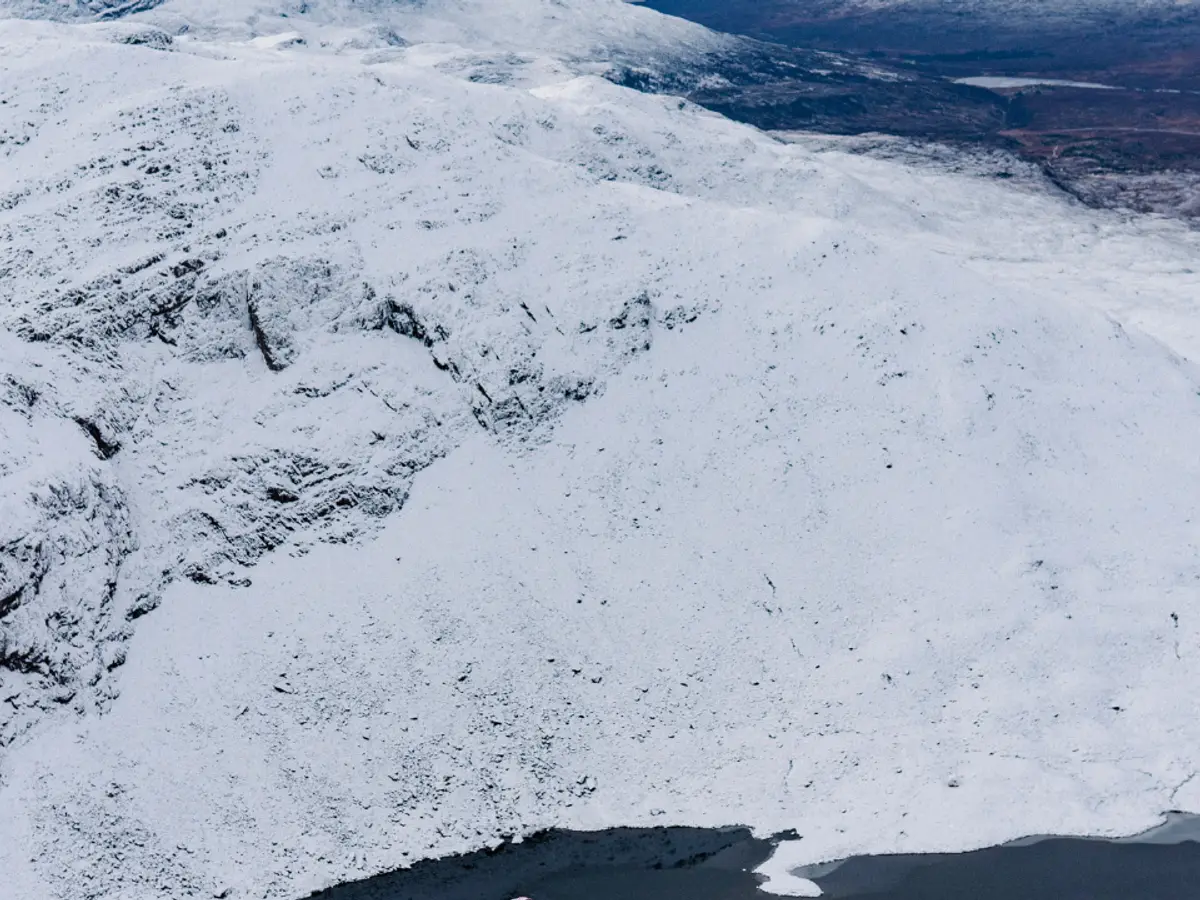
A huge patch of open water appeared in Antarctic sea ice in August 2024.
It was about as large as Portugal.
This kind of open-water area is called a polynya.
The area is usually covered by ice during the middle of winter.
Indian scientists found that several unusual weather events helped create it.
At least six powerful atmospheric rivers carried warm, wet air toward Antarctica.
Strong winds also brought warmer water from below up to the surface.
Marine heatwaves then made it difficult for new ice to form.
The researchers warn that climate change could make similar events happen more often.

A polynya about the size of Portugal opened in Breid Bay, East Antarctica, in August 2024.
The area is normally covered by sea ice throughout July and August.
Researchers linked the opening to at least six intense atmospheric rivers and marine heatwaves.
The atmospheric rivers brought moisture, warming, snowfall, and heat into the Antarctic region.
Wind-driven Ekman suction lifted warmer deep water toward the surface, preventing sea ice from refreezing.
- Who
- A team of Indian scientists, including Earth scientist Jeebanjyoti Swain, studied the event.
- What
- A polynya about the size of Portugal opened in Antarctic sea ice, and researchers identified the weather and ocean processes that caused it.
- Where
- Breid Bay in East Antarctica.
- When
- The hole opened in August 2024, during the period from July to August when the area is typically ice-covered.
- Why
- At least six intense atmospheric rivers, persistent winds, marine heatwaves, and the upward movement of warmer deep water prevented sea ice from forming and pushed existing ice poleward.
Key facts
- Feature
- A polynya, or open seawater surrounded by sea ice
- Approximate size
- About the size of Portugal
- Location
- Breid Bay, East Antarctica
- Date
- August 2024
- Atmospheric rivers
- At least six were recorded from July to August
- Ocean process
- Ekman suction brought warmer subsurface water toward the surface
- Published research
- Geophysical Research Letters
Sources
Related news
Cruise Ship Slammed by Massive Waves in Drake Passage

Oceansat-3 Detects Sharp Marine Productivity Drop During El Niño
Ancient Antarctic Wildfires Revealed in 90-Million-Year-Old Sediments
Unusual Monsoon Swell Surges Prompt Repeated Alerts Along Kerala Coast
August 2026 Tied July 2023 as Hottest Month Ever

ISRO Satellite Detects Pacific Productivity Decline As El Niño Strengthens
Hundreds of Earthquakes Detected at Antarctica's 'Doomsday Glacier'
Voyager 2's Uranus radiation data flawed by timing
Giant Rock Layer Discovered Beneath Bermuda Triangle
Giant rock layer discovered beneath Bermuda