0 months ago
India's ethanol policy must count water, sustainability costs
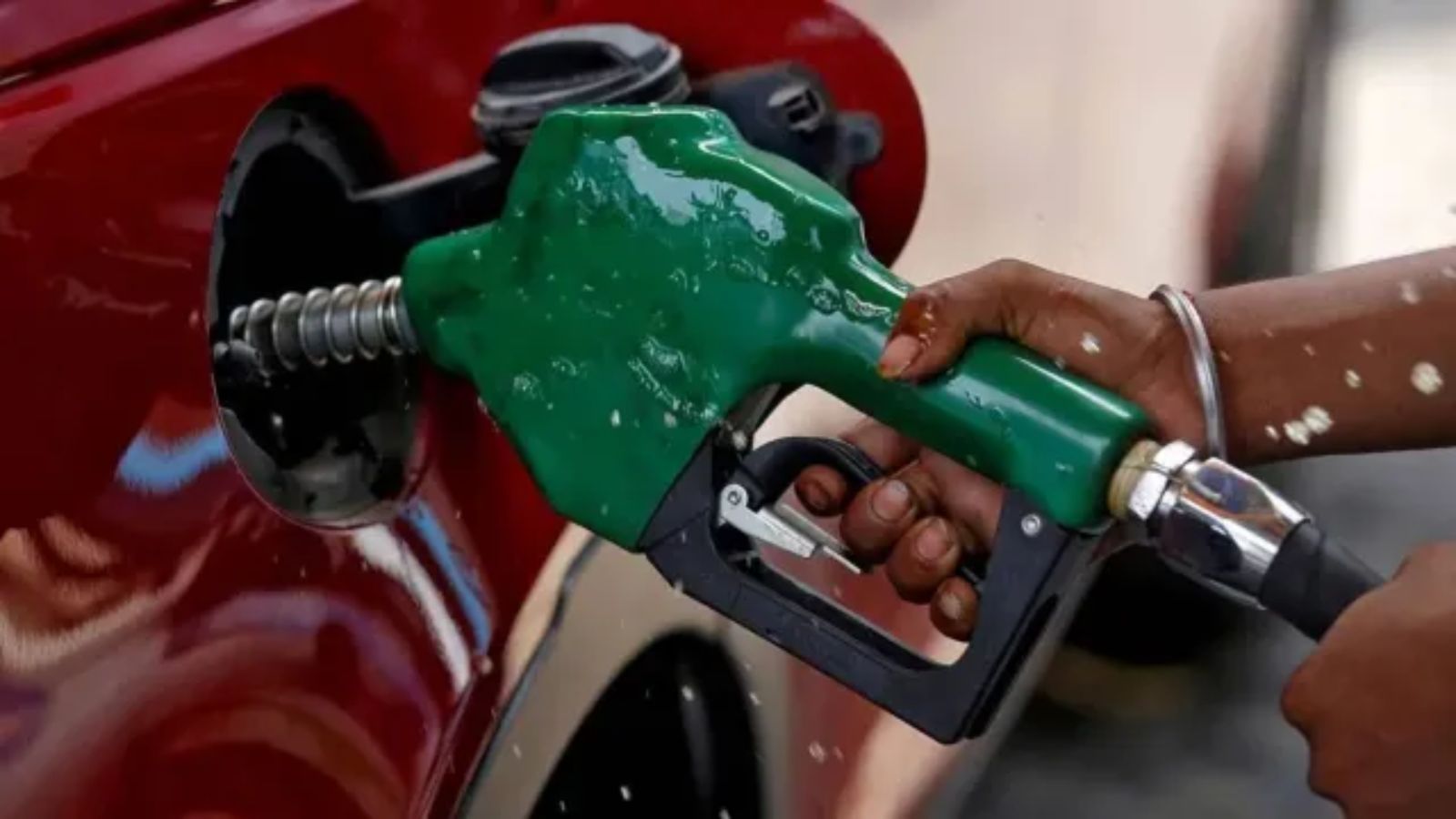
India makes fuel that is mixed with ethanol, which comes from plants like sugarcane and grain.
In 2013, very little of India's petrol had ethanol in it.
By 2025, almost one fifth of the petrol had ethanol mixed in.
This helps India buy less oil from other countries and gives farmers extra income.
But making ethanol uses a lot of water, sometimes thousands of litres for just one litre of fuel.
Some kinds of ethanol are better for the environment than others.
Ethanol from sugarcane can cut pollution much more than ethanol made from grain.
Older cars and bikes may not work well with fuel that has lots of ethanol.
Experts say India should think carefully about water and the environment as it makes more ethanol.

India's ethanol blending has risen from about 1.5 per cent in 2013–14 to nearly 20 per cent in 2025, with annual consumption approaching 700 crore litres.
Sugarcane ethanol produced in bagasse-fired distilleries achieves an EROEI of about 2–4, while grain-based ethanol generally ranges between 1.2 and 2.
E20 fuel contains about 6–7 per cent less energy than pure petrol, though ethanol's higher octane rating can partially offset the fuel economy loss.
Vehicles manufactured from April 2023 onwards are mandated to be E20-compatible, leaving millions of older vehicles outside this category.
Producing one litre of sugarcane ethanol may embody approximately 2,000–3,500 litres of water, a major concern for groundwater-stressed regions.
- Who
- India's policymakers, the writer (a retired senior IAS officer), and stakeholders in India's ethanol programme
- What
- A review of India's E20 ethanol blending policy and the water, energy, and environmental sustainability costs it must account for
- Where
- India
- When
- 2025, as India transitions from E10 to E20 fuel
- Why
- To ensure energy security gains are not offset by growing dependence on scarce freshwater and other environmental costs
Ethanol programme supporters
Sustainability and water critics
Energy security vs. resource strain
Ethanol programme supporters
Ethanol blending has reduced crude oil imports, generated rural incomes and diversified India's energy basket.
Sustainability and water critics
Expanding ethanol production risks replacing dependence on imported oil with growing dependence on increasingly scarce freshwater resources.
Role of blending targets
Ethanol programme supporters
Blending targets provide direction for India's energy transition and support farmers.
Sustainability and water critics
Targets should not become ends in themselves; policy should be guided by scientific evidence and sound public economics.
Subsidies and pricing
Ethanol programme supporters
Subsidised electricity, urea and water keep production costs low and support sugarcane cultivation.
Sustainability and water critics
These subsidies hide environmental costs and may encourage ethanol production where its true social cost is high; direct income transfers would be more efficient.
Key facts
- Blending rate (2025)
- Nearly 20 per cent
- Blending rate (2013-14)
- About 1.5 per cent
- Annual ethanol consumption
- Approaching 700 crore litres
- EROEI (sugarcane vs grain ethanol)
- About 2–4 vs 1.2–2
- Energy density
- Petrol ~32 MJ/L; ethanol ~21 MJ/L
- Water footprint
- About 2,000–3,500 litres of water per litre of sugarcane ethanol
- Life-cycle GHG reduction vs petrol
- 50–70% for sugarcane, 20–50% for grain-based ethanol
- E20 vehicle mandate
- Vehicles manufactured from April 2023 onwards
Sources
Related news

India’s Ethanol Push Raises Questions About Sugar Supplies

E20 Petrol: What India's Ethanol Blend Means for Your Car
India’s Ethanol Push Shifts From Sugarcane Toward Grain Feedstocks

Ethanol Helps India Turn Sugar Surplus into Strength
India’s Ethanol Push Could Shift Food, Water, and Vehicle Costs
Kejriwal alleges E20 policy imposed under Trump pressure
India’s Minimum Wage Surge Brings Gains—and Business Concerns
IIM Bangalore Conference Examines Public Policy and Self-Reliance

Why India Struggles to Attract Foreign Tourists
Caste Census Format Sparks Government Coordination and Data Dispute

Tamil Nadu Seeks Release of 38 Fishermen, Boats