

0 months ago
Delhi-Meerut Expressway gets time-based speed limits from August 15
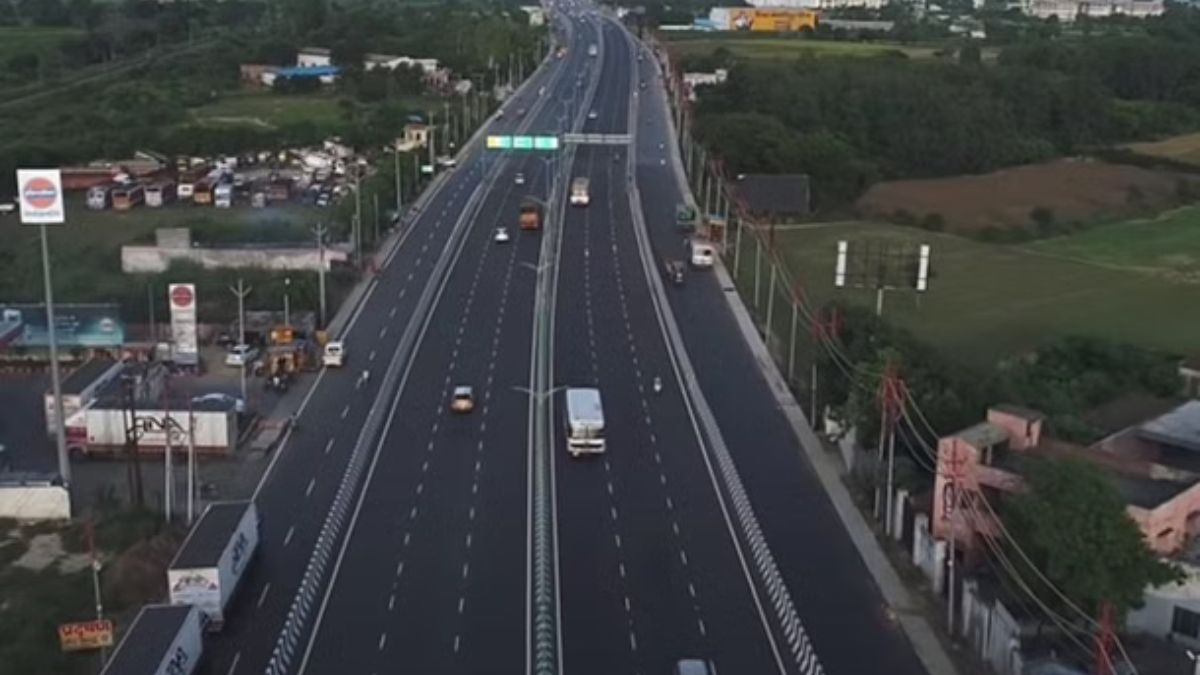
Drivers on a big highway in India are getting new rules.
The highway is called the Delhi-Meerut Expressway.
Starting August 15, the speed limit will change depending on the time of day.
At night, from 12 am to 7 am, cars can go 65 km per hour, which is the fastest allowed.
During the busy daytime, from 7 am to 5 pm, cars must slow down to 55 km per hour.
In the evening, from 5 pm to midnight, the limit for cars is 60 km per hour.
Trucks and other heavy vehicles get lower limits of 50, 45, and 40 km per hour.
Big digital signs on the highway will show drivers the correct speed limit.
Special sensors were installed to study traffic and check if the new rules help.
This is the first project like this anywhere in India, and its goal is to make the road safer and less crowded.

A variable speed limit pilot project, the first of its kind in India, will start on the Delhi-Meerut Expressway from August 15.
The first phase covers the Delhi stretch between Akshardham and Sarai Kale Khan.
Cars will face limits of 65 kmph (midnight-7 am), 55 kmph (7 am-5 pm) and 60 kmph (5 pm-midnight).
Heavy vehicles will be restricted to 50 kmph, 45 kmph and 40 kmph across the same three time slots.
Two digital variable speed display boards have been installed near Akshardham temple and Pandav Nagar foot overbridge, with automated enforcement planned.
- Who
- Commuters on the Delhi-Meerut Expressway, with the project implemented by the National Highways Authority of India (NHAI), researched by the Central Road Research Institute (CRRI), and enforced by Delhi Traffic Police, with guidance from IIT Roorkee professor Satish Chandra.
- What
- Launch of a time-based variable speed limit pilot project, the first of its kind in the country.
- Where
- On the Delhi stretch of the Delhi-Meerut Expressway between Akshardham and Sarai Kale Khan; the expressway passes through National Capital Region (NCR) areas including Ghaziabad and Noida.
- When
- From August 15, when the first phase begins.
- Why
- To regulate traffic movement, reduce congestion and improve road safety by adjusting speed limits according to traffic conditions.
Key facts
- Project
- Time-based variable speed limit pilot, first of its kind in India
- Start date
- August 15 (first phase)
- First phase stretch
- Akshardham to Sarai Kale Khan, Delhi
- Car speed limits
- 65 kmph (12 am-7 am); 55 kmph (7 am-5 pm); 60 kmph (5 pm-midnight)
- Heavy vehicle speed limits
- 50 kmph (12 am-7 am); 45 kmph (7 am-5 pm); 40 kmph (5 pm-midnight)
- Implementing agency
- National Highways Authority of India (NHAI)
- Research and monitoring
- Central Road Research Institute (CRRI), with data reviewed every three months
- Digital display boards
- Near Akshardham temple and Pandav Nagar foot overbridge
Quotes
Satish Chandra, professor, Civil Engineering Department, IIT Roorkee
IIT Roorkee civil engineering professor
“"The variable speed limit project will be implemented from August 15 between the Akshardham and Sarai Kale Khan stretch of the expressway in the first phase. This will be first such project in the country."”
 financialexpress.com
“"Our role is to monitor compliance and take action against motorists found overspeeding."”
financialexpress.com
Sources
Related news
Delhi-Meerut Expressway Gets India's First Variable Speed Limit Trial

Delhi-Mumbai Expressway Opens 9-Km Stretch for Traffic Trials
Raksha Bandhan Traffic Chokes Delhi-Meerut Expressway, Commuters Stranded for Hours
NH-9 Chokes as Kanwar Yatra Diversions Hit Delhi-Ghaziabad Commuters

Bengaluru Restricts Vehicles On Five Flyovers Over Safety Concerns

Raksha Bandhan Rush Chokes Delhi Roads, Crowds Metro Stations
Indian Courts and Officials Face Detention, Speech Controversies

Sharma and Malik share halfway lead at Telangana Golconda Masters

Films Raise Awareness of Violence but Cannot End It
Teen Allegedly Gangraped on Moving Delhi Bus; Two Arrested
Allahabad High Court Quashes NSA Detention in Noida Protest Case
