

3 weeks ago
Delhi-Meerut Expressway Gets India's First Variable Speed Limit Trial
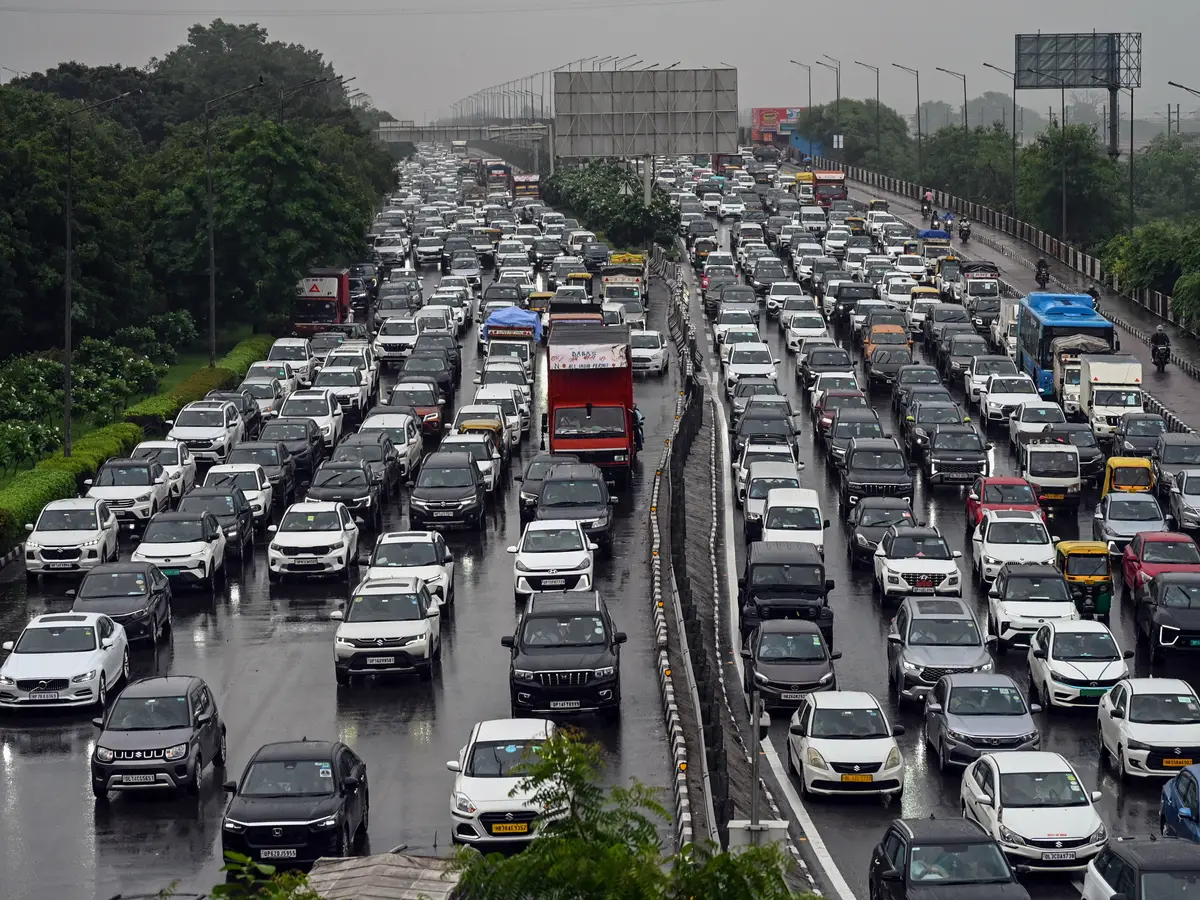
Drivers on the Delhi-Meerut Expressway often get stuck in traffic jams near Akshardham.
Researchers think slowing cars down earlier might stop those jams.
Starting around August 15, electronic signs on an 8.7-kilometre stretch will change speed limits during the day.
The signs will show lower speeds when traffic gets heavy.
The idea is that steady, slower traffic moves better than fast traffic that keeps stopping and starting.
Cars will get limits between 55 and 65 kilometres per hour depending on the time of day.
Heavy vehicles will get even lower limits.
Cameras and sensors will watch the traffic, and police can give tickets to drivers who speed.
If the trial works, similar systems could be used on other expressways in India.
This is the first test of its kind in the country.

Around August 15, an 8.7-km Delhi-Meerut Expressway stretch between Sarai Kale Khan and the Uttar Pradesh border becomes India's first Variable Speed Limits (VSL) trial.
Electronic signboards near the Akshardham interchange will adjust speed limits based on live traffic conditions instead of a fixed limit.
Under the trial, car speed limits will change by time of day: 65 kmph (12 am-7 am), 55 kmph (7 am-5 pm) and 60 kmph (5 pm-12 am), with lower limits for heavy vehicles.
The design is based on 72 hours of traffic footage collected near Akshardham Plaza in July 2024, where cars make up over 80 per cent of corridor traffic.
Delhi Traffic Police will issue challans for violations, and researchers will evaluate the system after 30, 90 and 120 days.
- Who
- Researchers Prof. Satish Chandra of IIT Roorkee and Dr Chalumuri Ravi Sekhar, Director of CSIR-Central Road Research Institute, are leading a trial funded by the Ministry of Road Transport and Highways, with enforcement by Delhi Traffic Police.
- What
- India's first real-world trial of Variable Speed Limits (VSL) on the Delhi-Meerut Expressway.
- Where
- An 8.7-km stretch of the Delhi-Meerut Expressway between Sarai Kale Khan and the Uttar Pradesh border, near the Akshardham interchange.
- When
- Beginning around August 15, with evaluations after 30, 90 and 120 days.
- Why
- To reduce stop-and-go congestion by lowering speed limits in advance so traffic keeps moving at a steady pace.
VSL Researchers
Conventional Approach
Fixing congestion
VSL Researchers
Slowing drivers before a bottleneck keeps traffic moving steadily and prevents stop-and-go waves, so people may reach their destination faster.
Conventional Approach
The conventional answer to congestion is building more lanes and letting vehicles maintain higher speeds.
Enforcing trial speeds
VSL Researchers
Issuing challans ensures drivers follow the changing limits so the pilot produces reliable data.
Conventional Approach
Drivers used to a fixed 70 kmph limit now face changing, often lower limits and potential fines during the trial.
Key facts
- Pilot stretch
- 8.7 km between Sarai Kale Khan and the UP border
- Start date
- Around August 15
- Current fixed limits
- 70 kmph for cars, 50 kmph for heavy vehicles
- Car limit (7 am-5 pm)
- 55 kmph
- Heavy vehicle limit (5 pm-12 am)
- 40 kmph
- Traffic data basis
- 72 hours of footage from July 2024 near Akshardham Plaza
- Car share of traffic
- Over 80 per cent
- Evaluation points
- After 30, 90 and 120 days
Quotes
Dr. Chalumuri Ravi Sekhar
Director of CSIR‑Central Road Research Institute involved in the trial
“"The idea may sound counterintuitive, but slowing down earlier can keep traffic moving smoothly."”
 wionews.com
“"We are using internationally accepted traffic engineering methods to set the dynamic limits."”
wionews.com
Sources
Related news
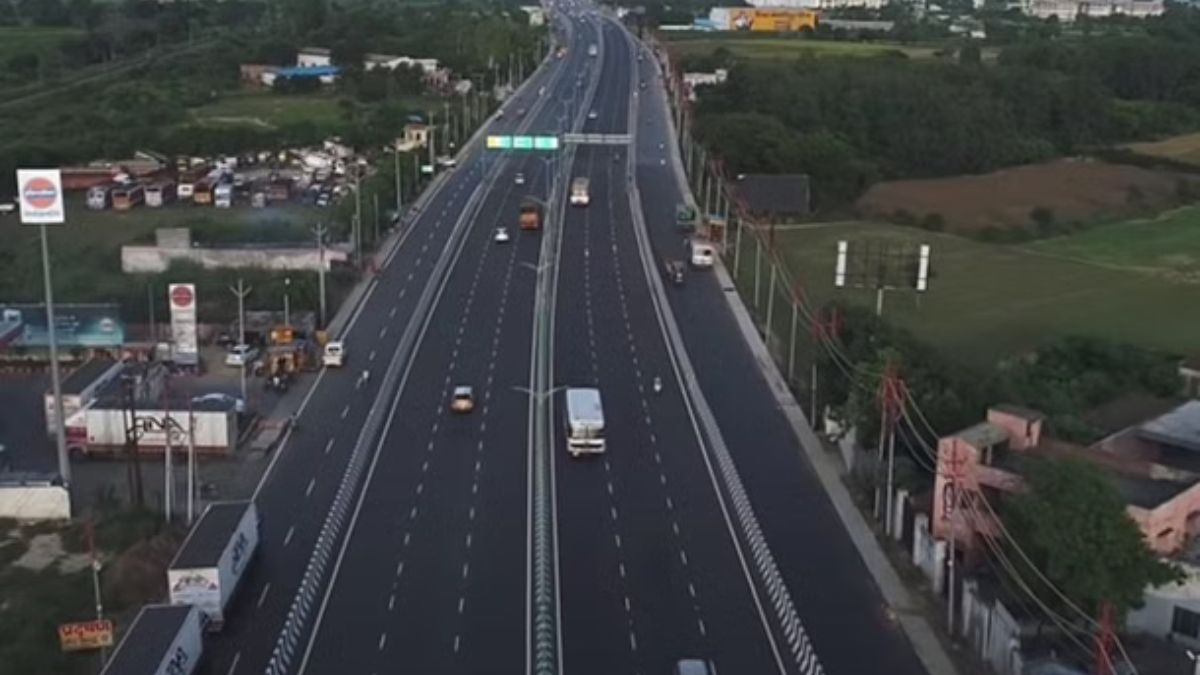
Delhi-Meerut Expressway gets time-based speed limits from August 15

Delhi-Mumbai Expressway Opens 9-Km Stretch for Traffic Trials
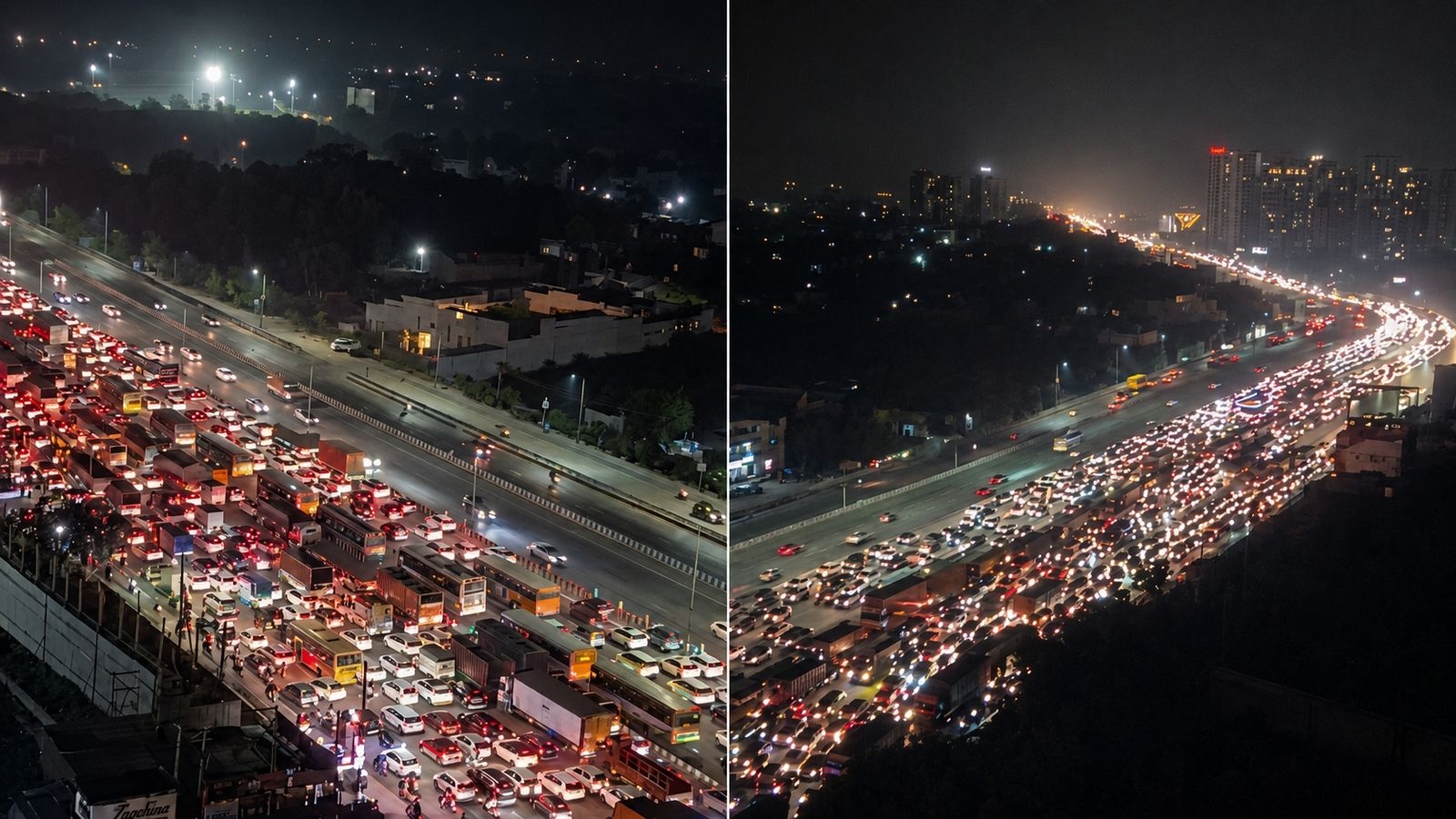
Raksha Bandhan Traffic Chokes Delhi-Meerut Expressway, Commuters Stranded for Hours

Raksha Bandhan Rush Chokes Delhi Roads, Crowds Metro Stations
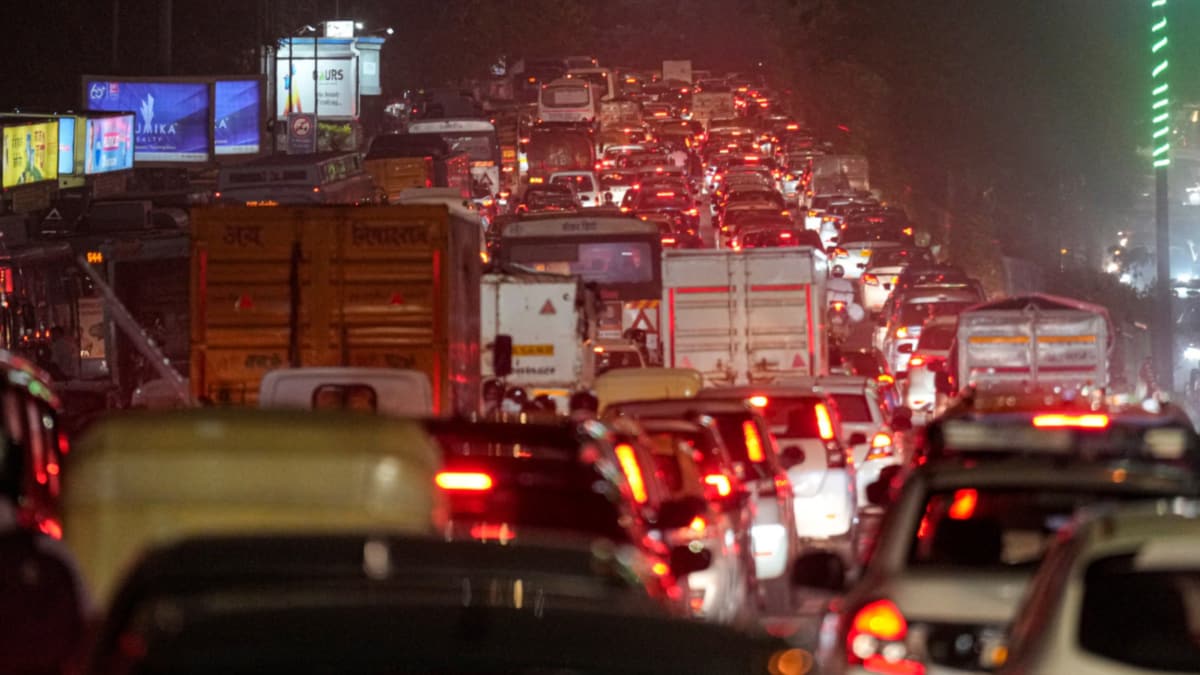
NH-9 Chokes as Kanwar Yatra Diversions Hit Delhi-Ghaziabad Commuters
Delhi Deploys Drones to Monitor Traffic Ahead of BRICS Summit
