

1 hr ago
EU Urges United States to Reverse Palestinian Visa Denials

The United States has refused visas to Mahmoud Abbas and other Palestinian officials.
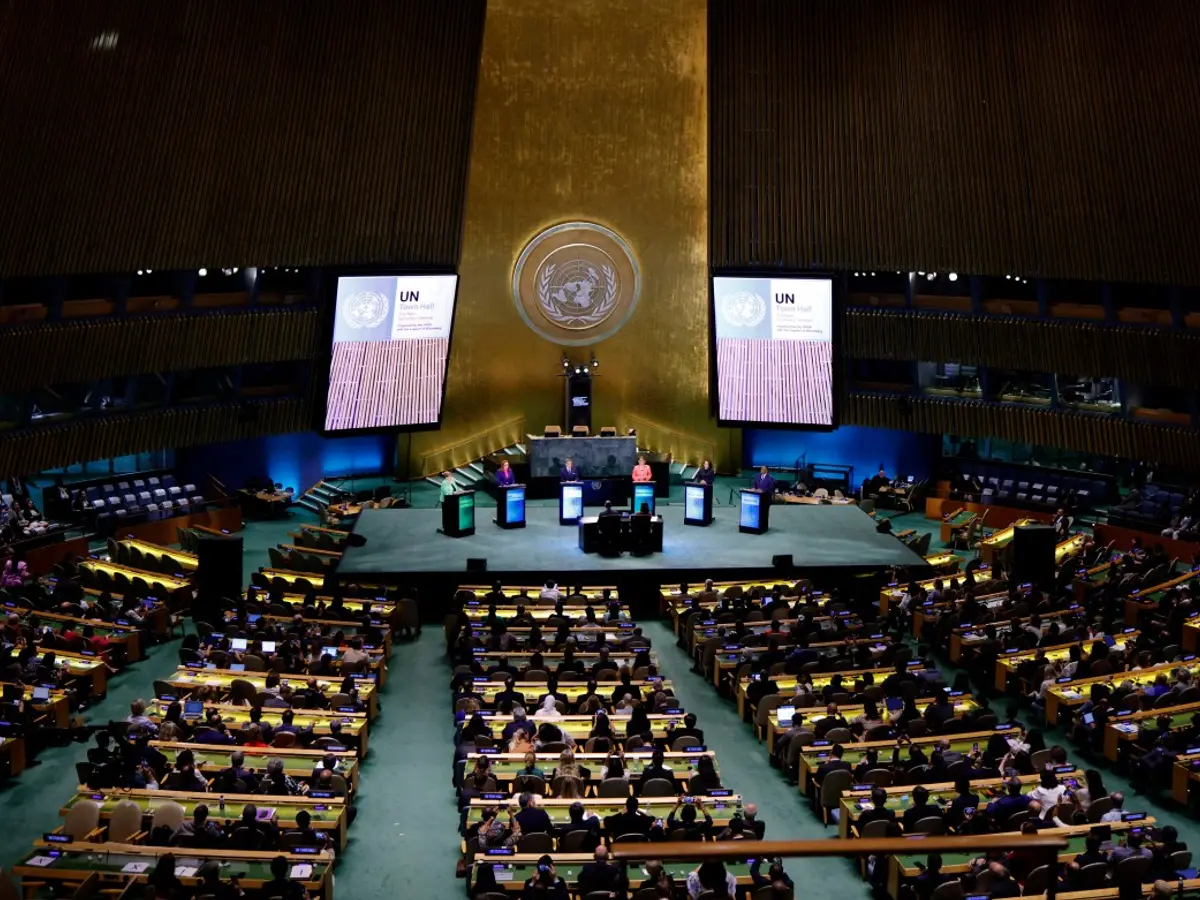
They wanted to attend an important United Nations meeting in New York.
This is the second year in a row that the United States has denied their visas.
The European Union asked the United States to change its decision.
The United Nations also said it was worried that the decision would stop the Palestinians from taking part fully.
Abbas will likely speak to the meeting by video instead.
The United States says it objects to Palestinian payments linked to prisoners and attacks.
It also opposes Palestinian efforts to use international courts and seek recognition outside negotiations.

The European Union urged the United States to reconsider its decision to deny visas to Mahmoud Abbas and Palestinian delegates.
The visa denials are the second consecutive year that Palestinian officials have been barred from attending the United Nations General Assembly in person.
The United Nations General Assembly voted 152-3 to allow Abbas to address the meeting virtually again.
The European Union and the United Nations said the decision could limit the State of Palestine’s participation in United Nations work.
The United States cited Palestinian payments to prisoners’ families, alleged glorification of terrorism, and legal efforts involving international courts as reasons for its decision.
- Who
- The European Union, the United States, Mahmoud Abbas, Palestinian officials, and the United Nations are involved.
- What
- The United States denied entry visas to Abbas and members of his Palestinian delegation, prompting calls from the European Union and the United Nations to reconsider.
- Where
- The meeting is in New York; the dispute also concerns Palestinian participation in United Nations institutions.
- When
- The decision was announced ahead of the United Nations General Assembly meeting beginning Tuesday and marks the second consecutive year of visa denials.
- Why
- The United States cited Palestinian payments to families of prisoners or slain Palestinians, alleged glorification of terrorism, and Palestinian efforts to pursue international recognition and legal action outside negotiations.
Critics of the visa denials
United States position
Access to the General Assembly
Critics of the visa denials
The European Union and the United Nations say the denials could restrict the State of Palestine’s ability to participate fully in United Nations work and urge reconsideration.
United States position
The United States has maintained the visa denial for the second year, while the General Assembly approved a virtual appearance for Abbas.
Palestinian payments and rhetoric
Critics of the visa denials
The Palestinian Authority says it recently reformed its welfare system so payments are based on need rather than political affiliation or prisoner status.
United States position
The United States says Palestinian authorities continue to pay stipends to terrorists’ families and glorify terrorism and terrorists in public statements and school textbooks.
International legal and diplomatic efforts
Critics of the visa denials
The Palestinian side has pursued recognition and cases through international institutions, while the European Union and many United Nations members support continued Palestinian participation.
United States position
The United States opposes what it calls efforts to internationalize the Israeli-Palestinian conflict, including actions through the International Criminal Court and International Court of Justice that bypass negotiations.
Key facts
- Visa decision
- The United States denied visas to Mahmoud Abbas and other Palestinian delegation members.
- Duration
- The denials have occurred for the second consecutive year.
- EU response
- The European Union urged the United States to reconsider, citing its obligations as host state and its agreements with the United Nations.
- United Nations response
- Secretary-General Antonio Guterres expressed regret and concern about Palestinian participation.
- Virtual address
- The General Assembly voted 152-3 to allow Abbas to appear virtually again.
- United States objections
- The United States cited payments to prisoners’ families, alleged glorification of terrorism, and Palestinian actions involving the International Criminal Court and International Court of Justice.
- Attendance
- Only members of the Palestinian mission to the United Nations are expected to attend in person.
Quotes
Anouar El Anouni
Spokesman for the EU's diplomatic service
“In light of its existing headquarters agreements with the UN and its obligations as host state, we urge the United States for this decision to be reconsidered.”
 firstpost.com
“We regret the decision to extend the denial of entry visas for members of the Palestinian delegation for a second year in a row.”
firstpost.com
Sources
Related news

US Again Denies Palestinian President Visa for UN Meeting
US Allows Iranian Leaders at UNGA, Denies Abbas Visa

World roundup: US denies Abbas visa as crises spread

U.N. Rights Office Condemns U.S. Terrorist Designation of Palestine Action

US Designates Palestine Action Terrorist, Targets Two More Groups
Palestinian Envoy Welcomes BRICS Declaration but Demands Action
Poll finds rising trust in global institutions, weaker U.S. leadership
Duterte Appears Before ICC Judges Over Trial Fitness
Modi Balances Rivalries at a Restrained BRICS Summit