2 hrs ago
World roundup: US denies Abbas visa as crises spread
Several important events happened around the world.
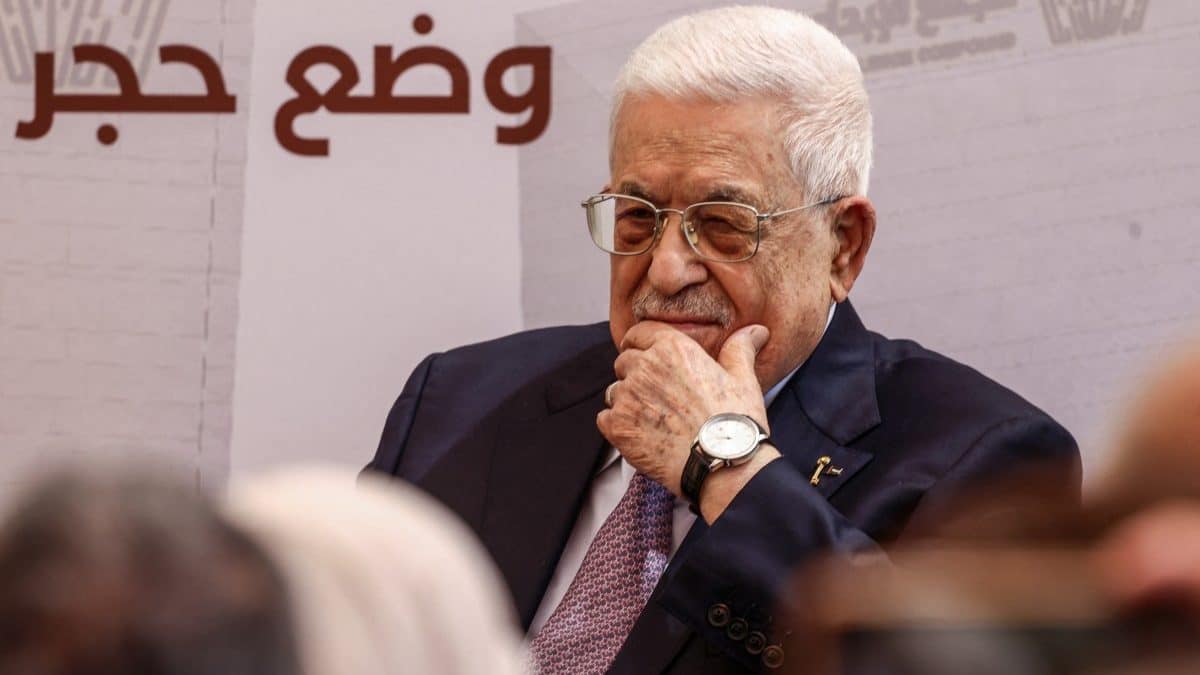
The United States refused to give Palestinian leader Mahmoud Abbas a visa for a United Nations meeting.
The US government said the Palestinian Authority had not made enough reforms.
President Donald Trump criticized the Federal Reserve, saying it was making interest-rate decisions for political reasons.
The Federal Reserve said inflation was still a problem and raised its main interest rate.
The US Congress also approved new sanctions against Russia.
Heavy rain caused floods and a death in Spain.
Russian drone attacks killed people in Ukraine, although everyone on one damaged train escaped safely.
India rejected a boundary commission involving Pakistan and China.
The roundup also remembered the 1978 Camp David Accords between Egypt and Israel.

The United States denied Palestinian President Mahmoud Abbas a visa to attend next week’s United Nations General Assembly, citing a failure by the Palestinian Authority to reform.
US President Donald Trump accused the Federal Reserve board of politically motivated rate decisions, while the Fed raised its benchmark rate by 25 basis points to 3.75–4 percent.
The US Congress passed sweeping sanctions targeting Russia’s energy and defense sectors, officials and shadow fleet, including possible tariffs of up to 100 percent on major buyers.
Flooding in eastern Spain killed one man and disrupted transport, while Russian drone strikes in Ukraine killed five people and injured at least seven.
India rejected the Pakistan-China Boundary Joint Commission and reiterated that Jammu and Kashmir and Ladakh are integral parts of India.
- Who
- The United States, Mahmoud Abbas, Donald Trump, the Federal Reserve, Russia, Ukraine, Spain, India, Pakistan and China are among the main actors.
- What
- The roundup covers a denied US visa for Abbas, US rate and Russia-sanctions developments, floods in Spain, Russian strikes in Ukraine and India’s rejection of a Pakistan-China boundary commission.
- Where
- The events involved the United States, New York, Palestine, Russia, Ukraine, Spain, India, Pakistan and China.
- When
- The developments were reported in the day’s roundup; Abbas was expected to attend the following week’s United Nations General Assembly.
- Why
- The US cited insufficient Palestinian Authority reforms for the visa denial; the Federal Reserve cited persistent inflation for its rate increase; India said the boundary commission was legally baseless.
Stated government positions
Contrasting positions
Federal Reserve interest rates
Stated government positions
Donald Trump accused the Federal Reserve’s board of raising rates for political reasons and trying to hurt his presidency.
Contrasting positions
Federal Reserve Chair Kevin Warsh cited persistent inflation and policymakers indicated that further increases could occur this year.
Pakistan-China boundary commission
Stated government positions
Pakistan and China are associated with the Boundary Joint Commission referenced in the report.
Contrasting positions
India called the commission legally baseless and unacceptable, rejected the 1963 boundary agreement and said Jammu and Kashmir and Ladakh are integral parts of India.
Key facts
- Visa decision
- The United States denied Mahmoud Abbas entry for next week’s United Nations General Assembly.
- Federal Reserve rate
- The benchmark rate rose by 25 basis points to 3.75–4 percent.
- Russia sanctions
- The bill targets Russia’s energy and defense sectors, senior officials and its shadow fleet.
- Potential tariffs
- The sanctions legislation allows tariffs of up to 100 percent on major buyers of Russian oil and gas, including China and India.
- Spain flooding
- A man died near Barcelona after his car was swept away; transport, flights, classes and a football match were disrupted.
- Ukraine strikes
- A Russian drone strike on a passenger bus killed five people and injured at least seven.
- Historical event
- The Camp David Accords were signed in 1978 after secret negotiations brokered by US President Jimmy Carter.
Quotes

António Guterres
United Nations secretary-general commenting on the BRICS declaration and multilateral cooperation
“But what is important is to say that the common declaration that was produced is a common declaration with a strong commitment by all of them to multilateralism, and by all of them to the United Nations.”
 firstpost.com
Sources
Related news

Omar Abdullah Steps Aside as Pakistan Protests US Envoy

Pakistan Summons U.S. Envoy Over Kashmir Status Remarks
Global roundup covers Iran warning, shootings, courts and AI bans

India Dismantles Pakistan Mission Barriers Amid Kashmir Dispute
India Removes Pakistan Mission Barricades After Islamabad Security Action